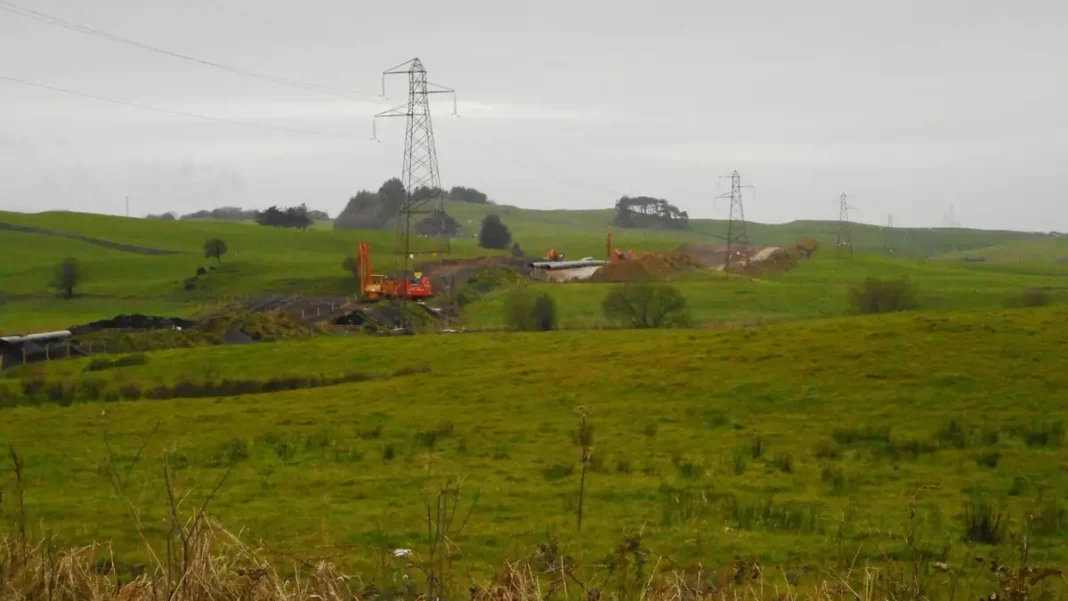
Saudi Pakistan Gas Pipeline Plan Worth $30bn Studied
Pakistan and Saudi Arabia have agreed to study a $30 billion energy infrastructure programme that could build new gas supply routes across Pakistan. The Saudi Pakistan gas pipeline plan is at an early stage, but it covers pipelines, liquefied natural gas facilities and export terminals.
Saudi energy company Delta Energy Saudi and Pakistan’s Inter State Gas Systems signed an agreement to assess the programme. The two sides will examine pipelines, LNG facilities, gas processing and storage infrastructure, and export terminals.
The proposed network would link Pakistan’s western border with Gwadar and could extend towards India. It would also examine the possibility of moving gas from Afghanistan into Pakistan. The companies named Afghanistan’s Kashk gas concession and other Afghan resources as potential supply sources.
The plan comes as Pakistan continues to face a gap between gas demand and local supply. Gas demand rises each winter, and imported LNG already forms a large part of the country’s energy mix. A new supply route would matter for households, industry and power generation, but the project is still only a study.
Saudi Pakistan gas pipeline would run from Chaman to Fazilka
The proposed infrastructure programme includes a pipeline from Chaman, near Pakistan’s border with Afghanistan, running across the country towards the Indian border near Fazilka. Delta Energy described the route as a core strategic commitment that would require formal engagement and agreements with Pakistani and Indian authorities.
The route would cross the full width of Pakistan. That scale explains the $30 billion figure attached to the programme, which covers more than one pipeline. LNG terminals, processing plants, storage and export facilities are all part of the assessment.
The companies will also assess potential gas supplies from Afghanistan, including the Kashk gas concession and other Afghan resources. Afghan gas has been discussed for years as a possible source for the region, but no large export project has yet moved ahead.
Afghan gas could feed the network
Afghanistan holds gas resources that have never been developed at scale. The Kashk concession is one of the fields named in the agreement. If Afghan gas were developed, a pipeline through Pakistan would give it a route to market.
The plan is separate from TAPI
Delta Energy said the initiative would be separate from the Turkmenistan Afghanistan Pakistan India (TAPI) pipeline project and would not depend on Turkmen gas supplies. That distinction matters, because TAPI has its own long history of delays.
Pakistan and Turkmenistan agreed on 17 November to convene a steering committee for the TAPI gas pipeline, and the two countries also signed an agreement on tourism cooperation. The steering committee will look at engagement among partner countries, which shows TAPI is still moving, even if slowly.
The Saudi-backed plan would run on a different track. It does not need Turkmen gas, and it does not need TAPI to succeed. That gives Pakistan a second option for new gas supply, though it also means two large pipeline projects would compete for the same financing and the same buyers.
Pakistan and Turkmenistan have also proposed direct flights between the two countries as bilateral trade has fallen, which shows the wider push to rebuild economic links in the region.
No final decision yet
The agreement between Delta Energy and Inter State Gas Systems provides a framework for evaluating the proposed projects. It does not represent a final investment decision or a commitment to finance or construct the infrastructure.
That caution is worth noting. Other pipeline projects intended to bring natural gas into Pakistan have faced delays over several years. The Reko Diq copper and gold project has also slipped, with costs rising and first production pushed back, which shows how long large projects can take in Pakistan.
For now, the value of the deal is the study itself. If the assessment finds the route viable and the gas supply secure, the two sides can move to formal agreements. If it does not, the $30 billion figure will remain a paper estimate.
Oil prices have eased as recovering Middle East exports blunt Gulf tensions, which sets a softer backdrop for energy talks. Cheaper oil and gas make new supply deals easier to price, though they also reduce the urgency for producers to lock in long-term contracts.
What happens next
The two companies will now work through the assessment, including route surveys, supply studies and cost estimates. Formal engagement with Pakistani and Indian authorities will be needed before the cross-border leg can advance.
Frequently asked questions
What is the Saudi Pakistan gas pipeline plan?
It is a proposed $30 billion energy infrastructure programme to build gas pipelines, LNG facilities, gas processing and storage, and export terminals in Pakistan, linking the western border with Gwadar and possibly extending towards India.
Who signed the agreement?
Saudi energy company Delta Energy Saudi and Pakistan’s Inter State Gas Systems signed an agreement to assess the programme.
Would the pipeline carry gas from Afghanistan?
Yes, the programme would assess potential gas supplies from Afghanistan, including the Kashk gas concession and other Afghan resources.
Is the plan part of TAPI?
No. Delta Energy said the initiative would be separate from the TAPI pipeline project and would not depend on Turkmen gas supplies.
Has the $30 billion investment been approved?
No. The agreement provides a framework for evaluation only. It does not represent a final investment decision or a commitment to finance or construct the infrastructure.