Naltar Hydropower Project Starts After Decade of Delays
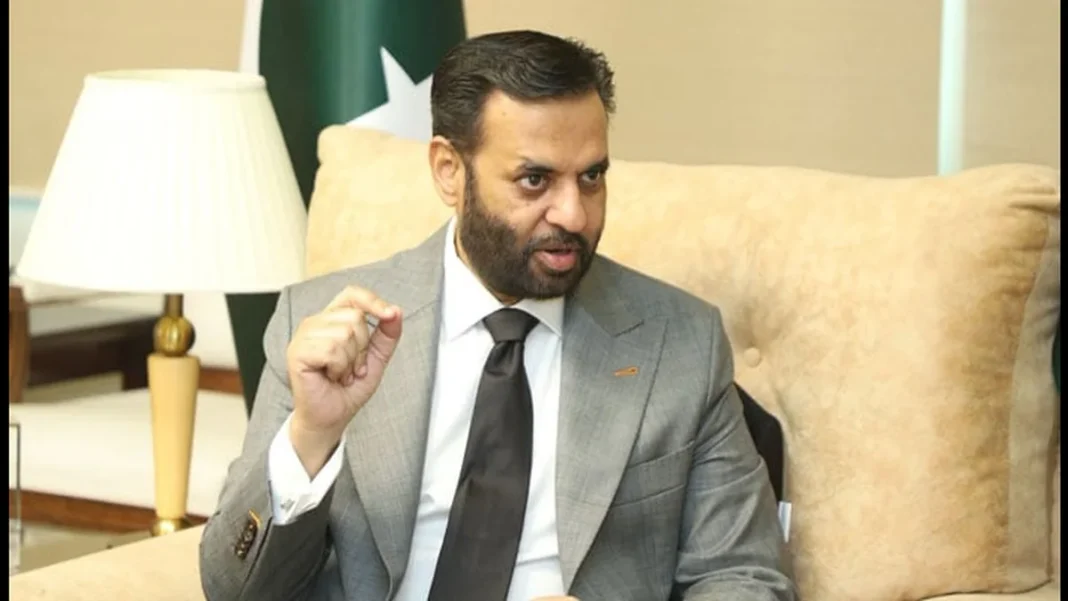
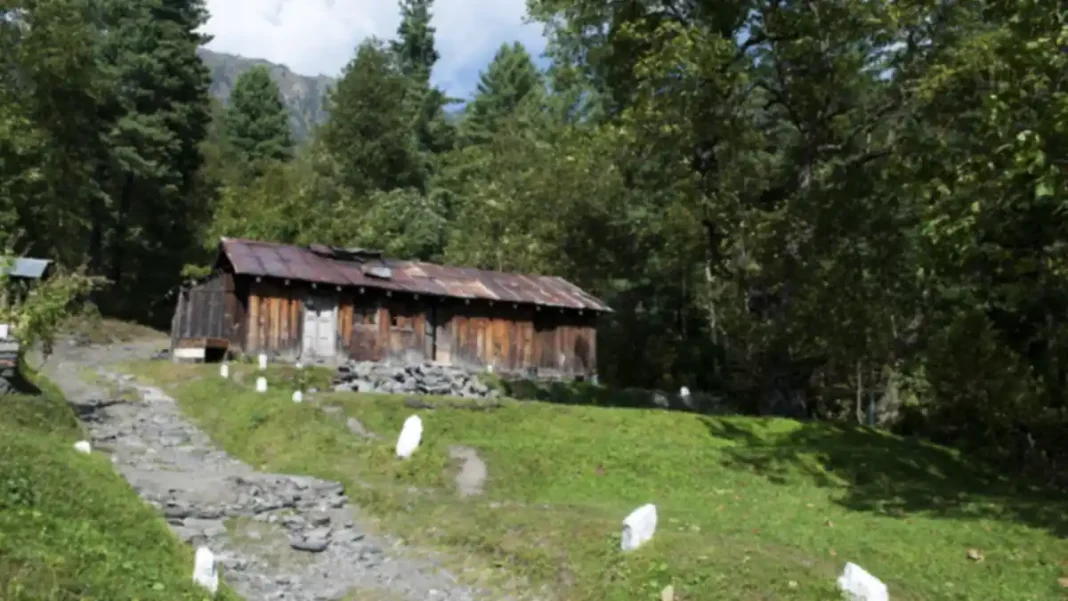
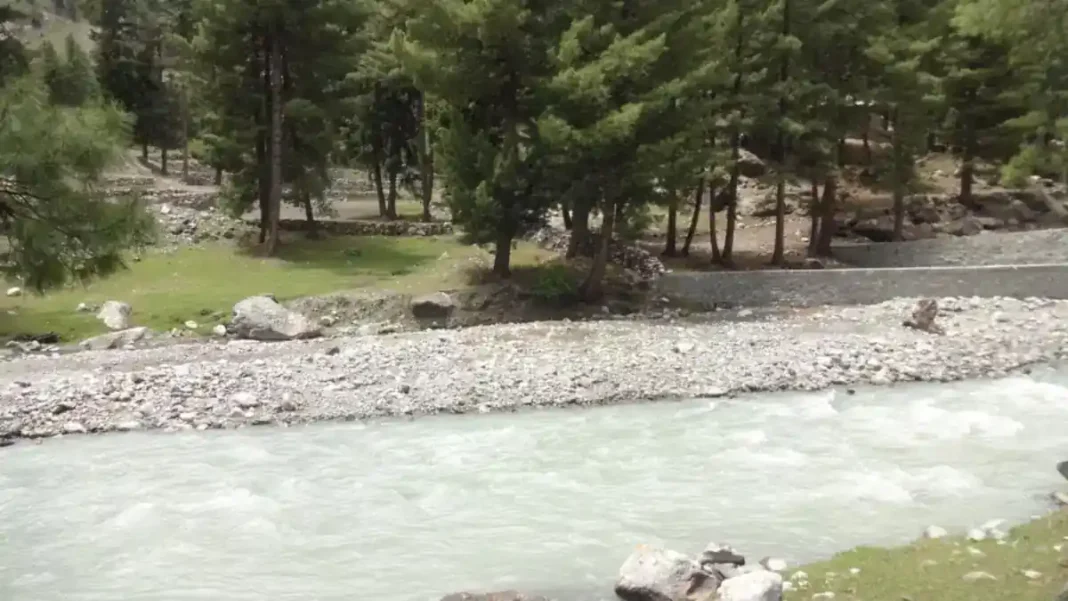
More than a decade behind schedule, the 16-megawatt Naltar Phase-III hydropower project in Gilgit became operational on Sunday, with Gilgit-Baltistan Chief Minister Amjad Hussain vowing to end the region’s energy crisis within five years. The Naltar hydropower project will provide eight to nine hours of additional power to residents of Gilgit city, helping reduce ongoing loadshedding.
Speaking during a visit to the facility, where water and power department officials briefed him on electricity supply to Gilgit city, the chief minister said he had requested Prime Minister Shehbaz Sharif to formally inaugurate the project soon.
Recalling its prolonged delays, Mr Hussain noted that the Naltar 14MW Phase-II and 16MW Phase-III hydropower projects were included in the Public Sector Development Programme (PSDP) in 2009 and launched in 2012, undergoing three revisions.
Progress stalled at just 3 per cent by 2015 and remained at 23pc through 2024 before accelerating to 72pc in 2025 and reaching completion.
The Naltar hydropower project outlasted governments
The Naltar scheme has become a symbol of how slowly public energy projects can move in Gilgit-Baltistan. It was conceived to ease the power shortages that have gripped the region for years, but it spent most of its life as a stalled file.
Work began in 2012, yet by 2015 only 3pc had been completed. The project crept forward for almost a decade, reaching just 23pc by 2024. The pace changed only in the past two years, with progress jumping to 72pc in 2025 before the plant was finally completed.
Residents told reporters in 2024 that winter loadshedding in the region stretched to 22 hours a day, with demand for heating far outstripping supply. The project had been promised to them since 2009, and year after year it stayed unfinished.
The completion now gives Gilgit city eight to nine hours of extra electricity a day. For households, that means fewer hours without light and heat as winter sets in. For shops and small businesses, it means more working hours without generators.
What the chief minister promised
Looking ahead, the chief minister emphasised that broader regional initiatives remain vital for a permanent solution.
“The 40-megawatt Hanzel hydropower project has remained stalled for the past seven years, and its tendering process will be initiated again within the next three months to ensure its completion and uninterrupted electricity supply to the city,” he said.
Hussain added that issues relating to the 54-megawatt Attabad project have been resolved, while serious efforts are underway to complete the Harpo and Shagarthang hydropower projects.
The promises matter because one project, however welcome, will not end Gilgit-Baltistan’s power crisis.
The federal government has been moving on the energy front more broadly. Prime Minister Shehbaz Sharif launched a 100MW solar energy initiative for Gilgit-Baltistan earlier this year, aimed at supplying clean power to around 1.3 million people. KP Governor Faisal Karim Kundi has also been inviting firms to invest in renewable energy, and Pakistan has been pressing ahead with regional energy links, including the CASA-1000 project with Turkmenistan.
Why Gilgit’s power crisis runs deep
Gilgit-Baltistan has no connection to the national grid. Its towns depend on local hydel stations, diesel generators and, increasingly, solar panels. When a plant breaks down or a river runs low, there is no backup supply to call on.
That isolation is why small projects like Naltar matter so much, and also why their delays hurt so badly. A 16MW plant is modest by national standards, but in Gilgit it is the difference between a city that functions and one that shuts down after dark.
The cost of unreliable power shows up everywhere, from the price of running a shop on a generator to the hours students lose to darkness. Electricity generation costs have surged across the country, and in the north the problem is not only cost but availability.
The provincial government has been pushing projects faster in recent months. The governor has been pressing for faster development projects across KP, and the same urgency is visible in Gilgit-Baltistan, where the chief minister has tied his name to a five-year deadline for ending the energy crisis.
What happens next
The prime minister has been asked to inaugurate the Naltar Phase-III project formally. No date has been announced.
The Hanzel project’s tendering is to start again within three months. Work on the Harpo and Shagarthang projects is to continue, and the Attabad project’s resolved issues are to be carried forward.
The test will be whether the pace of the past two years holds. Naltar took 14 years from its launch in 2012 to completion. If Hanzel, Harpo and Shagarthang follow the same path, Gilgit’s power crisis will outlast the chief minister’s five-year promise.
Frequently asked questions
What is the Naltar Phase-III hydropower project?
It is a 16-megawatt hydropower project in Naltar valley, near Gilgit, which became operational on Sunday, November 22. It provides eight to nine hours of additional power to Gilgit city each day.
Why did it take so long to complete?
The project was included in the PSDP in 2009 and launched in 2012, but progress stalled at 3pc by 2015 and was still only 23pc in 2024. Work accelerated to 72pc in 2025 before the plant was completed.
What did the chief minister promise?
GB Chief Minister Amjad Hussain vowed to end the region’s energy crisis within five years. He said tendering for the stalled 40MW Hanzel project would restart within three months, and work would continue on the Harpo and Shagarthang projects.
Will the prime minister inaugurate the project?
The chief minister said he had requested Prime Minister Shehbaz Sharif to formally inaugurate the project soon. No date has been announced.
Why is power supply a problem in Gilgit-Baltistan?
The region has no connection to the national grid and depends on local hydel stations. In winter, river flows drop and loadshedding has stretched to 22 hours a day in past years.