Thar Drought Relief: Rs5.3bn Package for Families
Sindh Chief Minister Murad Ali Shah has ordered the immediate rollout of the Rs5.3 billion Thar drought relief package for Tharparkar and Umerkot, with the first cash payment to reach eligible families on December 1.
Each eligible household will receive Rs8,000 in three instalments. The first payment is scheduled for December 1, the second for January 1 and the third for February 1.
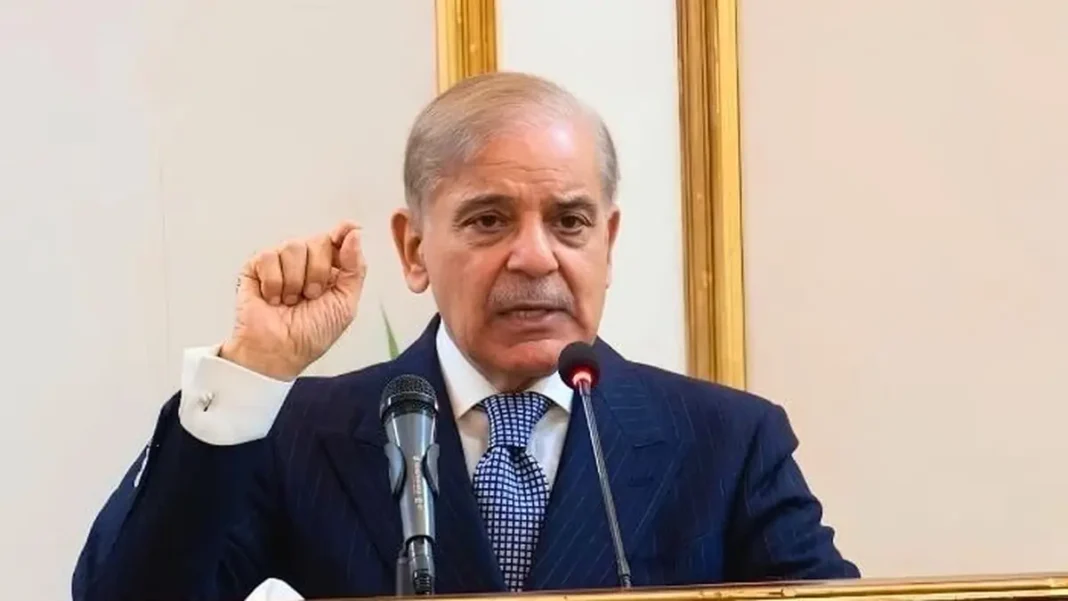
The chief minister gave the direction at a review meeting at the Chief Minister’s House on Sunday. He told officials that no deserving family should miss out on assistance because of administrative delays.
“Providing immediate relief to drought-affected families is our priority. No deserving family should be deprived of assistance due to administrative delays or coordination gaps,” Shah said.
Who will receive the money
The Relief Department will use Benazir Income Support Programme (BISP) data to decide which households qualify. The figures placed before the meeting show 192,931 households in Tharparkar and 80,735 in Umerkot fall within the poverty score range of zero to 40.
Of these, 129,092 households in Tharparkar and 61,799 in Umerkot fall within the zero-to-32 score bracket. Together, the two districts have 273,666 households in the wider bracket and 190,891 in the poorest bracket.
BISP ranks households on a poverty score, with lower scores showing deeper poverty. The score decides who qualifies for support, so the relief will reach the poorest families first.
Shah directed the departments concerned to verify beneficiary data and work with BISP to prevent duplicate registrations. He said the checks must not hold up timely payments.
Whole of Tharparkar declared drought-hit
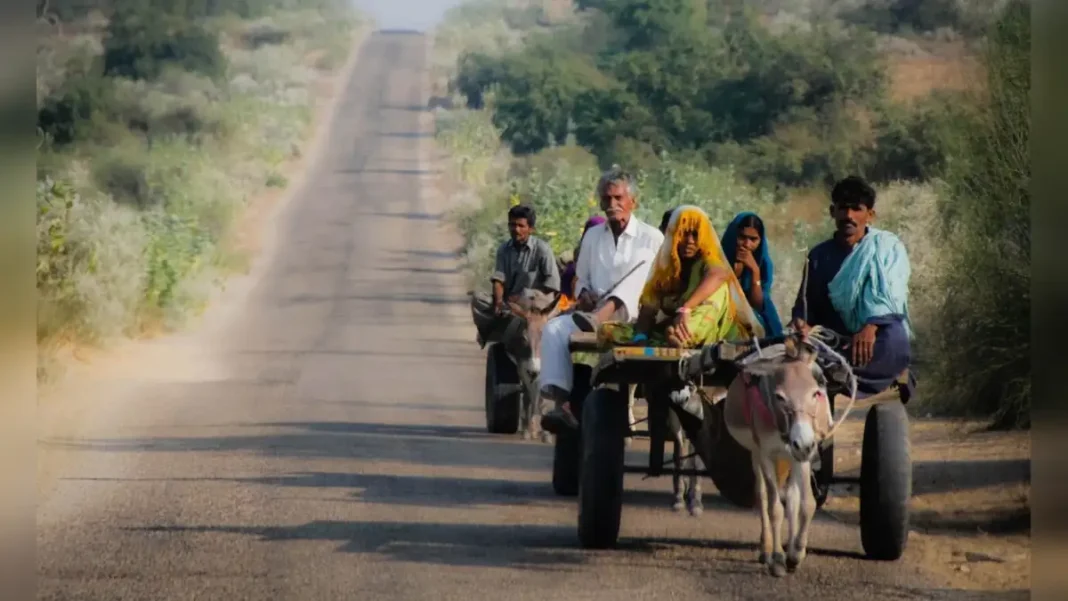
According to the Relief Department, the whole of Tharparkar district has been declared drought-affected, except for nine villages in Kaloi taluka that receive canal irrigation water. In Umerkot, 25 villages in desert areas have been proposed for declaration as calamity-hit.
The declaration follows a poor monsoon. The Sindh government declared Tharparkar a drought-hit district earlier in November after reports that 85 to 90 per cent of cultivated crops had been destroyed or rendered unproductive.
The seven talukas of the district received between 181 and 273 millimetres of monsoon rain in 2026, but September rain was poor, ranging from one to 36 millimetres. Crops and natural grasses dried up before reaching maturity. At that meeting, the chief minister had also stressed that livestock, a main source of income for families in Thar, must be protected through emergency fodder arrangements.
Feature Pakistan reported on November 22 that Sindh is also planning a water supply project for Thar, including a feasibility study for a pipeline from Naukot to Mithi. The chief minister had already directed officials to repair non-functional reverse osmosis plants across the district.
How the Thar drought relief payments will be coordinated
Chief Secretary Asif Haider Shah will coordinate the release of funds. The Relief Department, the Board of Revenue, the Finance Department, district administrations and BISP will work together on the rollout.
The chief minister asked the departments to keep coordination tight so that funds move on time.
The package is the largest cash relief step for the desert districts since the drought declaration. Its success will depend on whether the beneficiary lists are ready before the December 1 payment date.
Frequently asked questions
How much will each family receive under the Thar drought relief package?
Each eligible household will receive Rs8,000 in total, paid in three instalments on December 1, January 1 and February 1.
Who qualifies for the relief?
Households in Tharparkar and Umerkot that fall within the BISP poverty score range of zero to 40 qualify. The figures show 192,931 households in Tharparkar and 80,735 in Umerkot in that range.
Which areas have been declared drought-affected?
The whole of Tharparkar district has been declared drought-affected, except for nine villages in Kaloi taluka that receive canal irrigation water. In Umerkot, 25 desert villages have been proposed as calamity-hit.
Why was Tharparkar declared drought-hit?
The district was declared drought-hit after 85 to 90 per cent of cultivated crops were destroyed or rendered unproductive. September 2026 rain was poor, ranging from one to 36 millimetres across the seven talukas.
What else is Sindh doing for Thar?
Sindh is planning a water supply project for Thar, including a feasibility study for a pipeline from Naukot to Mithi, and has ordered the repair of non-functional reverse osmosis plants in the district.