Pakistan Collected Rs1.17tr in Fuel Taxes in Nine Months
The petroleum levy Pakistan charges on fuel raised more than Rs1.17 trillion for the federal government in the first nine months of 2026, official figures show. The money came from two charges added to fuel prices: the petroleum levy and the climate support levy.
Between January and September 2026, petroleum levy collections reached Rs1,126.34 billion. The climate support levy added about Rs47 billion over the same period. Together, the two charges raised Rs1,173.34 billion from people buying petrol and diesel across the country.
The figures were reported by ProPakistani on 23 November 2026.
Petroleum levy Pakistan: a charge that keeps growing
The petroleum levy has grown fast in recent years. Collections stood at Rs580 billion in the 2022-23 financial year. They rose to Rs1.22 trillion in 2024-25 and reached Rs1.57 trillion in 2025-26.
The nine-month figure for 2026 is already close to the full-year total for 2024-25.
Unlike income tax, the petroleum levy counts as non-tax revenue. It goes straight to the federal government and does not pass through the divisible pool shared with the provinces. Feature Pakistan has already reported on how the levy is treated as non-tax revenue.
The government has also tied levy collections to its fiscal targets under the programme agreed with the International Monetary Fund (IMF), at a time when the IMF has pressed Pakistan to end petrol subsidies.
What the levy means at the pump
The levy now stands at Rs80 a litre on both petrol and high-speed diesel.
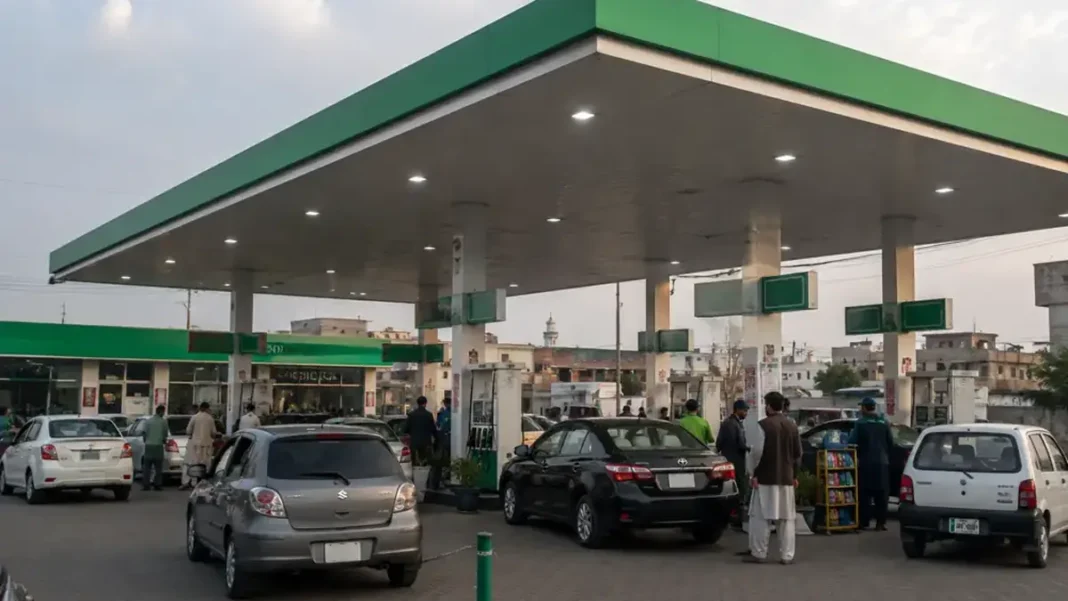
At current pump prices, the levy makes up a large share of what drivers pay. Petrol costs Rs322 a litre and diesel Rs357 a litre under the rates that took effect on 21 November 2026. The Rs80 levy is about a quarter of the petrol price and more than a fifth of the diesel price.
Feature Pakistan reported on 13 November that the levy burden is now shared. Consumers pay Rs63.64 a litre of the levy, while refineries bear the remaining Rs16.36. The change cut the consumer share from Rs65.29 a litre. Read the full report on how petrol fell to Rs330 a litre.
Prices have fallen since October
Pump prices have dropped sharply in recent weeks. Petrol stood at Rs377.91 a litre on 30 October. Daily price cuts through November brought it down to Rs322 a litre by 21 November, a fall of nearly Rs56 in three weeks.
Diesel fell from Rs402.96 a litre on 30 October to Rs357 a litre. Feature Pakistan tracked the slide as petrol fell to Rs328 a litre on 17 November, with pump owners asking for monthly prices instead of daily revisions.
The cuts came under the daily pricing system, which has revised fuel prices near-daily since July 17. The fall in world oil prices gave the government room to pass relief to consumers while keeping the levy at Rs80 a litre.
The lower prices have eased pressure on households and businesses after months of high fuel costs. Farmers, though, are still waiting for a promised fuel subsidy to reach them, with diesel costs weighing on the harvest season. Read more on the farmers fuel subsidy delay.
Why the levy matters for the budget
The levy is now one of the federal government’s largest single sources of revenue from consumers. Because it is charged on every litre sold, it rises with fuel use and holds steady even when world oil prices fall.
That steadiness helps the budget, but consumers keep paying the same levy per litre when prices drop. The Rs80 charge stays in place whether petrol costs Rs322 or Rs378.
The climate support levy adds a second layer. At about Rs47 billion in nine months, it is small next to the petroleum levy, but it raises money for climate-related spending too.
With the IMF programme setting fiscal targets, the levy is likely to stay central to revenue plans. Any change to the rate would show up at once in pump prices.
Frequently asked questions
How much did the government collect in fuel levies in 2026?
Rs1,126.34 billion in petroleum levy and about Rs47 billion in climate support levy between January and September 2026, more than Rs1.17 trillion in total.
What is the petroleum levy per litre?
The petroleum levy is Rs80 a litre on petrol and high-speed diesel. Consumers pay Rs63.64 of that amount, while refineries bear the remaining Rs16.36 under a revised formula.
What are the current petrol and diesel prices in Pakistan?
Petrol costs Rs322 a litre and high-speed diesel Rs357 a litre under the rates that took effect on 21 November 2026.
Where does the petroleum levy money go?
It is non-tax revenue. It goes entirely to the federal government and is not shared with the provinces.
How much did the climate support levy raise?
About Rs47 billion between January and September 2026, on top of the Rs1,126.34 billion collected through the petroleum levy.