Tajikistan ICC Withdrawal Begins After US Push
Tajikistan ICC withdrawal has begun, making it the fourth country to formally begin leaving the International Criminal Court (ICC), in the latest blow to the world’s permanent war crimes tribunal.
The presidency of the court’s governing body said in a statement on Monday that Tajikistan had started the formal process of leaving the court. The move follows a diplomatic push by the United States, which called in July for countries to leave the court as part of its effort to “dismantle” it.
Tajikistan joins Chad, Venezuela and Naoero, a tiny Pacific island nation formerly known as Nauru, which have also announced their withdrawal since the US call. The court said the move to begin the one-year withdrawal process “risks undermining the collective pursuit of justice and weakens global efforts to end impunity”.
The statement added that the decision to withdraw does not release a state from obligations it took on while it was still a party to the treaty. Tajikistan will therefore remain bound by duties arising from its membership even as the withdrawal runs its course.
The ICC currently has 125 member states, but that figure still includes the seven states that have formally started the withdrawal process. Each withdrawal takes a year to complete.
Tajikistan formally notified the United Nations of its decision on November 20, according to a depositary notification issued by the UN secretary-general. The withdrawal will take effect on November 20, 2027. Tajikistan signed the Rome Statute, the treaty that created the court, in 1998 and ratified it in 2000. Until 2024 it was the only member of the Commonwealth of Independent States to belong to the ICC.
Tajikistan ICC withdrawal follows Putin visit row
Tajikistan’s relations with the court had already been strained. In March this year, the court criticised Tajikistan for failing to arrest Russian President Vladimir Putin when he visited the country in 2025. Putin is wanted by the ICC for alleged war crimes in Ukraine.
The criticism placed Dushanbe in a difficult spot. Arresting a visiting head of state would have damaged its ties with Moscow, its main security partner, while ignoring the warrant drew a public rebuke from the court it had joined.
Burkina Faso, Mali and Niger announced their own exits the previous year, denouncing the court as an instrument of “neocolonial repression”. The three Sahel states left together, arguing that the court targeted African leaders while ignoring crimes elsewhere.
Europe urges Tajikistan to reconsider
The European Union said on Monday that it regretted Tajikistan’s decision and urged the country to reconsider and reverse the withdrawal. The bloc said Tajikistan’s membership had reflected its commitment to the rules-based international order, multilateralism and international justice.
The EU also repeated its support for the court and its commitment to the Rome Statute, and called on all states to protect the court’s independence, impartiality and effective functioning. Its statement listed Niger, Burkina Faso, Mali, Chad, Venezuela and Naoero as states that had begun their withdrawal, and said the EU regretted each of those decisions as well.
Why the ICC withdrawal wave matters
The ICC is the world’s permanent war crimes tribunal. It prosecutes individuals accused of genocide, crimes against humanity, war crimes and the crime of aggression when national courts are unwilling or unable to act.
The court has faced growing pressure in recent years. Feature Pakistan reported on Monday that a genocide judgment against Myanmar could strengthen the case against Israel at the court, while the ICC recently won the EU’s top rights prize even as the US targeted the court with sanctions over its Gaza warrant.
The withdrawal wave matters for Pakistan too. Islamabad is not a member of the ICC, but the court’s rulings shape the law of war crimes and the politics of accountability in the region. Pakistan has watched the Gaza and Myanmar cases closely, and a weaker court changes the setting in which those cases are heard. The trilateral summit in Shenzhen, where Trump, Putin and Xi met recently, showed that the world’s major powers are already reshaping the institutions built after the Second World War, and the three leaders also signed a peace declaration at the same summit.
Frequently asked questions
What is the International Criminal Court?
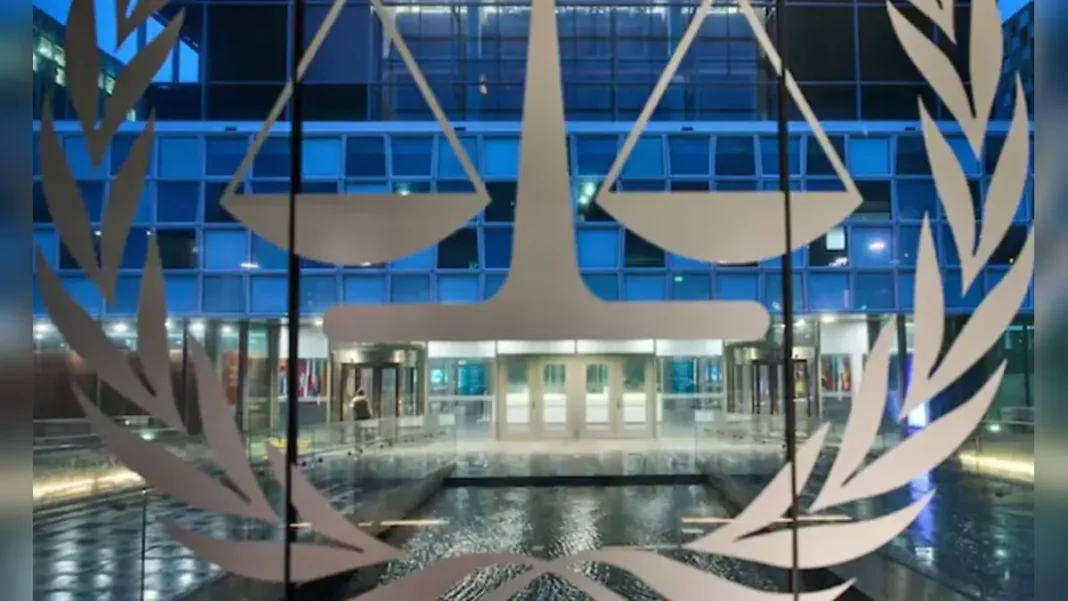
The ICC is the world’s permanent war crimes tribunal, based in The Hague. It prosecutes individuals accused of genocide, crimes against humanity, war crimes and aggression when national courts cannot or will not act.
How does a country withdraw from the ICC?
A state notifies the United Nations secretary-general, and the withdrawal takes effect one year later. Obligations taken on during membership still apply.
Which countries have started withdrawing from the ICC?
Tajikistan is the fourth since the US call in July, after Chad, Venezuela and Naoero. Burkina Faso, Mali and Niger announced their exits the previous year.
Why is the US pushing countries to leave the ICC?
The US has called the effort a diplomatic push to “dismantle the court”. Washington has long opposed the court’s jurisdiction over US personnel and has sanctioned the court over its Gaza warrant.
What happens next for Tajikistan?
The withdrawal takes effect on November 20, 2027. Until then Tajikistan remains a member, and its obligations from membership continue even after the exit.