Court Gives Usman Akram Five-Day Physical Remand
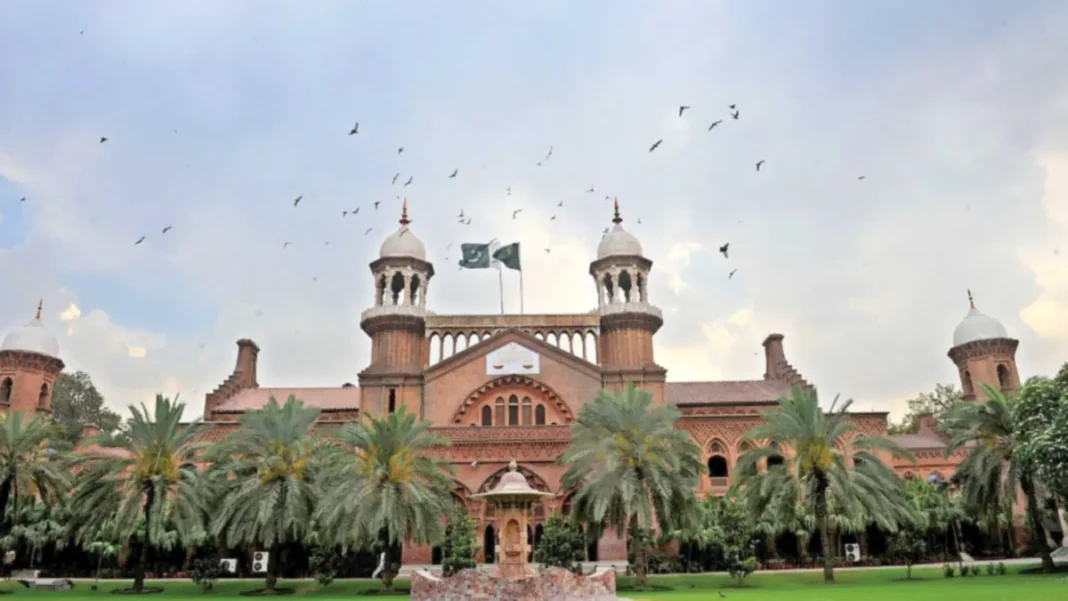
An anti-terrorism court in Lahore on Monday granted the Usman Akram five-day physical remand in the Askari Tower case from the May 9 riots.
Sarwar Road police produced Akram before the court after completing his identification parade. They told the court that prosecution witnesses had identified him during the parade, which was conducted in jail.
Why police sought the Usman Akram five-day physical remand
The investigating officer sought physical remand, alleging that Akram was involved in the attack on Askari Tower. He said the custody of the suspect was required for investigation.
ATC Judge Malik Abid Hussain allowed the police request and approved five days of physical remand. He directed police to produce the suspect again on 28 November.
Physical remand means the suspect stays in police custody, rather than in jail, so investigators can question him and recover evidence. It is different from judicial remand, under which the suspect is held in jail while the case proceeds. The identification parade, in which witnesses pick out the suspect from a line-up, is normally completed before police seek physical remand, and that is the sequence followed here.
The case so far
Akram’s arrest and detention have moved through several stages in the past 10 days. Feature Pakistan reported on 14 November that he had been arrested the previous Friday, after his release from preventive detention under the Maintenance of Public Order Ordinance.
At that stage, an anti-terrorism court gave him 10 days of judicial remand for an identification parade. The Lahore High Court disposed of a petition filed by his wife, Kulsoom Akram, after the Punjab government withdrew the detention order. The court also noted the limits placed on relief by the 26th Constitutional Amendment.
Akram is a relative of Mian Mahmoodur Rasheed, a senior PTI leader. His case is one of many arising from the May 9, 2023 violence, when PTI supporters took to the streets after Imran Khan’s arrest, and protesters torched Jinnah House and Askari Tower in Lahore and stormed the General Headquarters in Rawalpindi. More than 3,200 people were arrested in the crackdown that followed, and the damage was estimated at Rs2.5 billion.
Courts and the May 9 cases
The May 9 cases are still working their way through the courts more than three years after the events, and the pace varies widely between cases. Some suspects have been convicted by military courts, some have been acquitted, and many remain on remand or on bail while their trials continue.
Anti-terrorism courts in Punjab have handled a large share of these cases. In Peshawar, absconder proceedings recently began against a PTI leader, showing how the same courts are dealing with PTI figures across the country.
The Islamabad High Court has also been drawn into the wider set of cases against the party’s leadership. It recently barred Imran Khan’s lawyers from engaging in politics in the 190 million pound case, a reminder that the courts are policing the boundary between legal defence and political activity. The party’s wider legal campaign continues outside the May 9 cases too: opposition leaders recently wrote to senior judges about Imran Khan’s health in jail.
For Akram, the immediate question is narrow: what the police do with five days of custody, and whether they produce new evidence when he is brought back to court on 28 November.
What happens next
Akram will be produced before the anti-terrorism court again on 28 November, when the police will have to report on the investigation and seek either further remand or a challan. If the police seek more time, they will have to show the court what the five days produced. If they file a challan, the trial stage begins.
His legal team may also challenge the remand in the Lahore High Court, as has happened at earlier stages of the case. The High Court disposed of his wife’s petition on 14 November after the detention order was withdrawn, so the family has already tested that route once.
Frequently asked questions
Who is Usman Akram?
Mian Usman Akram is a PTI leader and a relative of senior PTI leader Mian Mahmoodur Rasheed. He is an accused in the Askari Tower case from the May 9, 2023 riots.
What did the court order?
A Lahore anti-terrorism court granted five days of physical remand on Monday 23 November 2026, after prosecution witnesses identified him in a jail identification parade. He must be produced again on 28 November.
What is physical remand?
It means the suspect stays in police custody for questioning and investigation, rather than in jail. It differs from judicial remand, under which the suspect is held in jail.
What happened earlier in this case?
Akram was arrested on 13 November, after release from preventive detention, and was given 10 days of judicial remand for an identification parade. The Lahore High Court disposed of his wife’s petition after the detention order was withdrawn.
What was the Askari Tower case?
Askari Tower in Lahore was torched during the May 9, 2023 violence that followed Imran Khan’s arrest. More than 3,200 people were arrested in the crackdown, and the damage was estimated at Rs2.5 billion.