SBP Triples Gemstone Export Retention to 30%
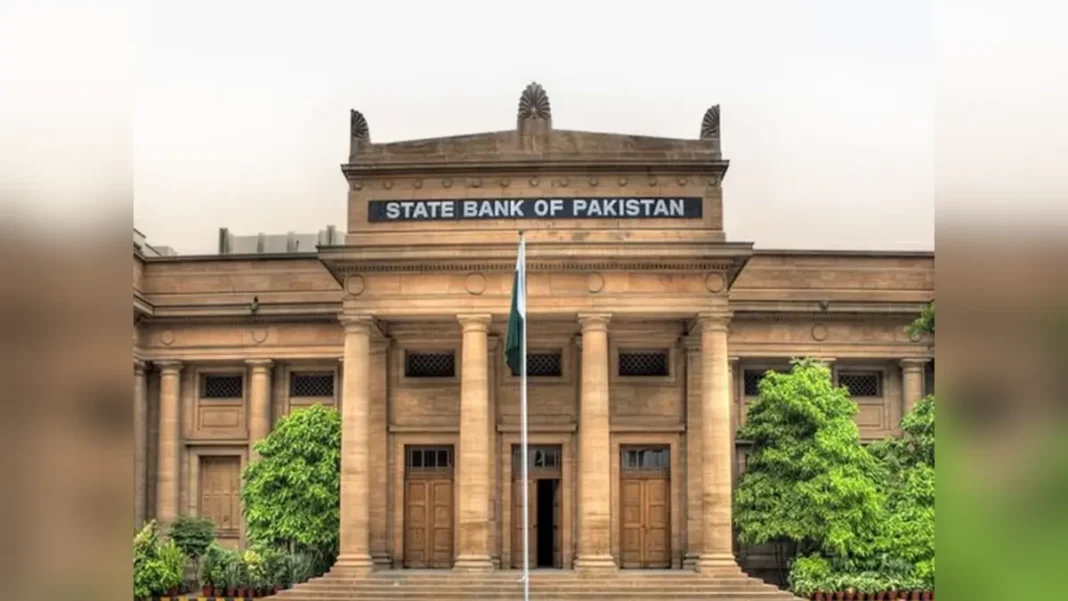
The State Bank of Pakistan (SBP) has tripled the gemstone export retention limit from 10 per cent to 30 per cent, giving exporters far more room to manage their foreign exchange earnings. The move is part of a government push to turn Pakistan’s largely untapped gemstone wealth into a serious export industry, with a target of $1 billion in gemstone exports within five years. The Express Tribune reported the decision on Tuesday.
What the State Bank changed
In an Export Policy Department Circular Letter No 18 issued on Monday, the central bank amended instructions under Para 35 of Chapter 12 (Exports) of the Foreign Exchange Manual. The rules govern the remittance of export commission, brokerage and discount, and the retention of export proceeds in Exporters’ Special Foreign Currency Accounts.
The table under Para 35(i) has been revised, raising the maximum permissible rate for commission, brokerage, discount and retention for gemstone exports from 10 per cent to 30 per cent. The SBP said the revision was aimed at supporting the gemstone sector in enhancing its exports.
The change places gemstones among the most favourably treated export categories under the foreign exchange rules, second only to books, journals and magazines, which enjoy the highest ceiling of 33.33 per cent. Pharmaceutical products carry a limit of up to 15 per cent, while the ceiling for all other goods remains 10 per cent. Cement and cotton exports are subject to limits of up to 5 per cent and 2 per cent respectively.
Why gemstones matter now
Pakistan holds considerable deposits of precious and semi-precious stones, particularly in Gilgit-Baltistan, Khyber-Pakhtunkhwa and Balochistan. But that natural wealth has not translated into an organised, high-value export industry. Current formal exports are estimated at only about $5.8 million, against the government’s $1 billion target within five years.
A major constraint has been the limited development of domestic processing and value addition. Much of the sector’s potential lies not in extracting and exporting rough stones, but in building local capability in cutting, polishing, grading, certification and jewellery manufacturing. These activities can substantially increase the value captured inside the country.
The government’s National Gemstone Policy 2026-2030 seeks to address these gaps by formalising the industry, improving mining practices, strengthening certification standards and promoting value-added exports. The SBP’s relaxation is one more step in that direction.
What the gemstone export retention change means
A higher ceiling for commission, brokerage, discount and retention gives businesses greater flexibility in meeting export-related commercial obligations and managing their foreign currency proceeds. That matters in international gemstone markets, where exporters work through overseas buyers, agents and trading networks, and need room to pay commissions and hold earnings abroad.
The sector’s development also carries implications for employment and regional economic activity. Gemstone mining, processing and trading can create opportunities for small businesses, skilled artisans, technicians and entrepreneurs, particularly in the areas where the deposits are located. Expanding local processing could keep more economic activity in these regions, while building stronger links between mining communities and international markets.
Formalisation is another challenge. Weak certification arrangements, inadequate processing facilities and informal transactions can limit exporters’ access to established international markets. Buyers want consistent quality, reliable grading and assurance about the origin and characteristics of the stones. Without those arrangements, Pakistan risks continuing to sell much of its mineral wealth without capturing the higher returns of finished products.
A wider minerals push
The gemstone decision sits inside a broader government effort to develop the minerals sector. Pakistan has signed 13 mineral agreements with foreign partners, and the Pakistan Minerals Investment Forum 2026 brought investors and officials together to open the sector to new capital. The government has also pointed to natural resources worth an estimated $10 trillion, including offshore reserves, as it courts investment.
Export earnings matter to the wider economy as well. Remittances and exports together support the rupee and the country’s foreign exchange reserves, and the central bank has been easing rules for exporters in sectors where Pakistan can earn more. Remittances reached $3.6 billion in September, and trade partners such as Portugal have backed Pakistan’s GSP+ status, which keeps Pakistani goods competitive in European markets.
The central bank has advised all authorised dealers in foreign exchange to bring the contents of the circular to the notice of their constituents and ensure meticulous compliance with the amended instructions.
What happens next
The foreign exchange concession is only one part of the effort. Its effect will depend on whether exporters can also access better processing facilities, reliable certification, skilled manpower and competitive international marketing channels. The gap between today’s $5.8 million in formal exports and the $1 billion target shows the scale of that task.
Frequently asked questions
What did the State Bank change for gemstone exporters?
The SBP tripled the maximum permissible rate for commission, brokerage, discount and retention of export proceeds for gemstones from 10 per cent to 30 per cent, through Export Policy Department Circular Letter No 18.
How does the gemstone limit compare with other exports?
Gemstones now enjoy the second-highest ceiling after books, journals and magazines at 33.33 per cent. Pharmaceuticals are capped at 15 per cent, most other goods at 10 per cent, cement at 5 per cent and cotton at 2 per cent.
How much does Pakistan currently export in gemstones?
Formal gemstone exports are estimated at approximately $5.8 million, against a government target of $1 billion within five years under the National Gemstone Policy 2026-2030.
Where are Pakistan’s gemstone deposits?
Pakistan has considerable deposits of precious and semi-precious stones, particularly in Gilgit-Baltistan, Khyber-Pakhtunkhwa and Balochistan.
Why is processing more important than mining alone?
Most of the value in gemstones comes from cutting, polishing, grading, certification and jewellery making. Without local processing, Pakistan exports rough stones cheaply and overseas traders capture the higher returns.