Pakistan Seeks Duty-Free Access to China as Deficit Hits $19.6bn
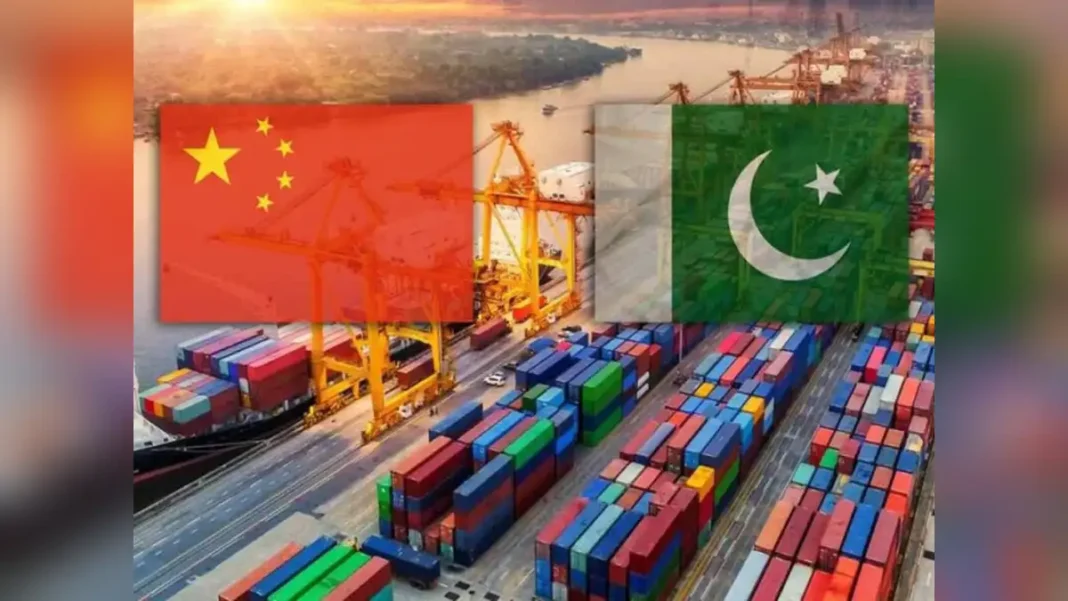
Pakistan has asked China to grant duty-free access to China for all Pakistani goods, as Islamabad moves to cut a record trade deficit with Beijing that now stands close to $20 billion.
Planning Minister Ahsan Iqbal made the request in a meeting with Zhou Haibing, vice chairman of China’s National Development and Reform Commission, the planning ministry said on Friday. He asked for the access on a non-reciprocal basis, separate from the existing free trade agreement.
Pakistan’s trade gap with China reached $19.6 billion in the last fiscal year. Imports from China stood at $22.34 billion in 2025-26, against exports of only $2.71 billion. Imports from China equalled 32 per cent of Pakistan’s total import bill.
Why the duty-free access to China request matters
China has already given non-reciprocal 100 per cent duty-free access to African markets, its second such move after giving 95 per cent access to the Association of Southeast Asian Nations (ASEAN). Pakistan wants the same treatment, so its exporters can compete in one of the world’s biggest import markets.
The planning ministry said Iqbal proposed bilateral technical talks on product coverage, rules of origin and a timetable. The Ministry of Commerce did not comment.
Officials cautioned that even zero-duty access might not close the gap on its own. Pakistan lacks an exportable surplus and does not produce enough of the sophisticated goods Chinese buyers want.
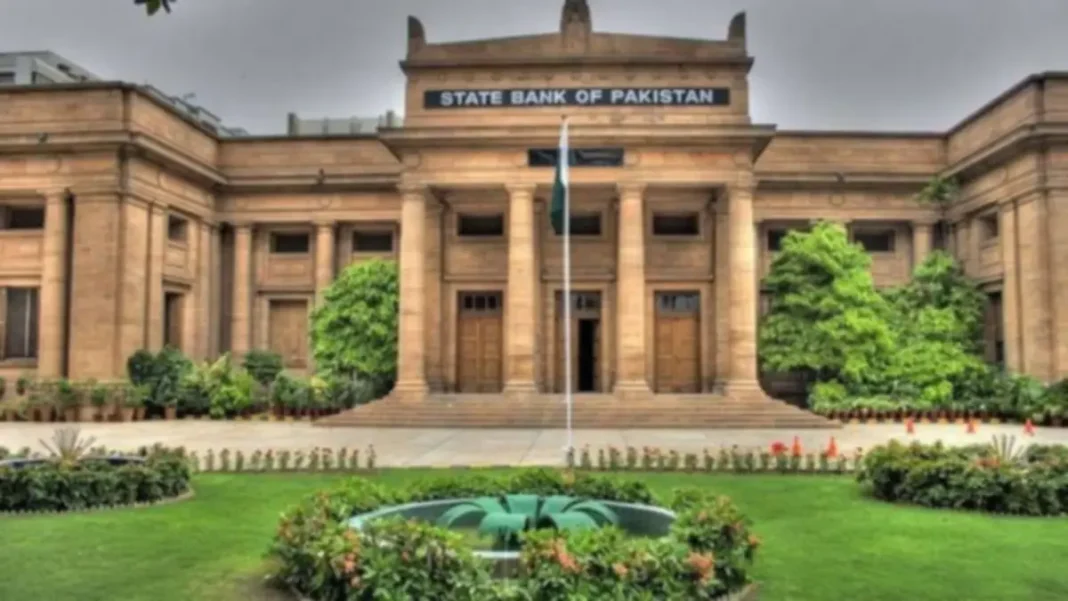
The planning ministry put imports from China at $22.34 billion, but the State Bank of Pakistan reported $19.5 billion. Half of Pakistan’s total trade deficit is now with China.
What Pakistan asked for beyond tariffs
The meeting covered far more than tariffs. Iqbal also raised a long list of China-Pakistan Economic Corridor (CPEC) items, in the second phase of the corridor, which shifts the focus from roads and power plants to industry, agriculture and trade.
He sought early completion of the financing agreement for the 102-kilometre Thor Nullah-Raikot section of the Karakoram Highway, the first priority of the wider Rs576 billion Thakot-Raikot realignment. He also discussed Chinese participation in upgrading the ML-1 railway beyond the Karachi-Rohri section, for which Pakistan is exploring financing from the Asian Development Bank. China has already stepped back from financing the ML-1 upgrade, citing concerns about Pakistan’s ability to take on another $8 billion loan.
On Gwadar, Iqbal sought support for restoring regular shipping services and proposed a joint study on strategic petroleum storage at the port.
Under the second phase of CPEC, Pakistan sought progress on the Kohala and Azad Pattan hydropower projects, Chinese approval for the Siah Diq copper project and joint development of two or three model special economic zones.
One part of the talks showed the limits of what Pakistan can offer. Pakistan has already committed to the International Monetary Fund that it will not set up new special economic zones, and the NDRC found its zone proposals unsatisfactory.
The wider picture
The NDRC meeting followed an earlier step in the same push. Pakistan asked for preferential zero-tariff access to China earlier in the week, when Iqbal met Liu Haixing of the International Department of the Communist Party of China, setting a target of raising annual exports to China from about $3 billion to between $20 billion and $25 billion.
The new request takes the same ask to the body that runs China’s economic planning, with the hard numbers behind it. The Asian Development Bank has also approved $468 million for water and farm projects in Khyber-Pakhtunkhwa and Punjab. At home, petrol fell by Re1 per litre to Rs312, while diesel stayed at Rs346, and the government has asked power companies to seek a flat fuel cost adjustment of Rs3.04 per unit for October to December.
For now, the request rests with Beijing, and no Chinese response has been reported yet.
Frequently asked questions
What has Pakistan asked China for?
Pakistan has asked China for duty-free access to China for all its goods, on a non-reciprocal basis, separate from the existing free trade agreement.
How big is Pakistan’s trade deficit with China?
The deficit stood at $19.6 billion in 2025-26: imports of $22.34 billion from China against exports of only $2.71 billion.
What is the model for Pakistan’s request?
Pakistan wants the same non-reciprocal 100 per cent duty-free access China has given to African countries.
Who made the request and to whom?
Planning Minister Ahsan Iqbal made the request in a meeting with Zhou Haibing, vice chairman of China’s National Development and Reform Commission.
What else was discussed in the meeting?
The talks covered CPEC projects including the Karakoram Highway, the ML-1 railway, Gwadar shipping and the Siah Diq copper project.