Immigration from Pakistan is a system with rules, gatekeepers, costs and risks. This guide walks through every legal pathway — Gulf work visas, study abroad, skilled migration, family sponsorship — plus the BEOE process, real costs, and how to avoid the fraud that traps thousands each year.
Quick answer: Legal immigration from Pakistan runs through five main pathways: Gulf work visas (762,499 workers in 2025, ~70% to Saudi Arabia), study abroad, points-based skilled migration (Canada, Australia, UK), family sponsorship, and business/investment visas. Work emigration must go through the Bureau of Emigration and Overseas Employment under the Emigration Ordinance 1979. Average upfront cost for a Gulf job is around $3,500.
In this guide
Gulf Work Visas: The Main Route
For roughly seven in ten emigrants, “immigration from Pakistan” means a Gulf work visa. Saudi Arabia took 530,256 Pakistani workers in 2025; the UAE, Qatar, Oman, Bahrain and Kuwait took most of the rest. Jobs cluster in construction, driving, retail, hospitality and domestic work, with a growing professional stream (healthcare, IT, engineering). Visas are employer-sponsored under the kafala system — your legal status ties to your employer, so the contract matters enormously. Our complete immigration guide has the full destination breakdown.
Study Abroad
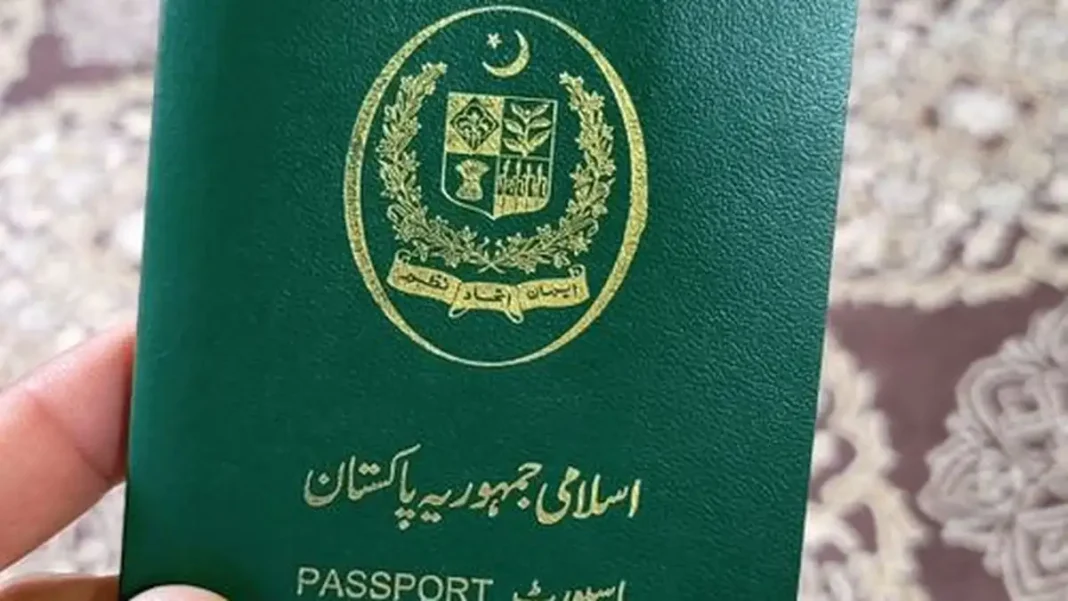
The UK, Australia, Canada, Germany and Malaysia are the top study destinations. You need a university offer (CAS/CoE/I-20), proof of funds, and English proficiency (IELTS/PTE). Total first-year costs range from Rs 3–6 million depending on destination. The payoff: post-study work visas (UK Graduate route, Australia Temporary Graduate, Canada PGWP) that convert education into residence. Apply for your passport early — track your Pakistani passport application here.
Skilled Migration
Canada’s Express Entry, Australia’s SkillSelect and the UK Skilled Worker visa run on points: age, education, work experience, English scores and (for Canada) a credential assessment (ECA). IT professionals, accountants, engineers and nurses score best. Timelines run 8–18 months; costs (tests, assessments, fees) total roughly Rs 1–2 million before you fly. Beware “guaranteed visa” agents — no consultant can guarantee points-based outcomes.
The BEOE Process
Work migration must clear the Bureau of Emigration and Overseas Employment: (1) job offer through a licensed Overseas Employment Promoter — verify the licence at beoe.gov.pk; (2) document attestation; (3) Protector of Emigrants clearance at one of seven protectorate offices, including the pre-departure briefing; (4) mandatory emigrant insurance. Skipping this makes you undocumented and unprotected.
Real Costs
ILO/World Bank-backed research puts the average cost of securing a Gulf job at nearly $3,500 — often 20 months of post-arrival earnings. Study routes cost far more upfront but lead to residence. Whatever the route, pay by bank transfer, get receipts, and never surrender your original passport to an agent.
Frequently Asked Questions
What is the cheapest legal way to immigrate from Pakistan?
A Gulf work visa through a licensed OEP — upfront costs around $3,500, often deducted from early salaries. It is temporary labour migration, not permanent residence.
Which country is easiest for Pakistani skilled workers?
Canada’s Express Entry and Australia’s SkillSelect are the most transparent points-based routes; both publish their criteria openly. “Easiest” depends on your age, education and English score.
How do I avoid immigration fraud?
Verify OEP licences on beoe.gov.pk, insist on written contracts, pay by bank transfer with receipts, and never pay cash for “guaranteed” visas. Report fraud to the BEOE complaint cell and FIA.