

Who governs Pakistan right now, who opposes them, and where does power actually sit? This neutral explainer maps the Pakistani political situation as of October 2026 — the government, the opposition, the provinces and the institutions that shape every crisis.
Quick answer: Pakistan is governed by a PML-N-led coalition under PM Shehbaz Sharif, with PPP’s Asif Ali Zardari as President; PTI — whose founder Imran Khan is jailed — is the main opposition, governing KP and marching on Islamabad in October 2026. The army chief is Field Marshal Asim Munir.
The Government
Pakistan is governed by a coalition led by the Pakistan Muslim League-Nawaz (PML-N) under Prime Minister Shehbaz Sharif, in office since March 2024 following the February 2024 elections. The Pakistan Peoples Party (PPP) is the key coalition partner, with Asif Ali Zardari as President. The government’s narrative: it is stabilising the economy under an IMF programme and governing constitutionally; it accuses PTI of agitational politics that threatens recovery. Profiles: PM Shehbaz Sharif, Shehbaz Sharif.
The Opposition
The Pakistan Tehreek-e-Insaf (PTI) is the main opposition. Its founder Imran Khan — prime minister 2018–2022 — has been jailed since August 2023 on multiple convictions; the party calls them political victimisation, the state calls them due process. Day-to-day leadership falls to figures like KP Chief Minister Sohail Afridi and party chairman Barrister Gohar Khan. PTI’s narrative: the 2024 elections were rigged, Khan’s cases are persecution, and street pressure is its only recourse. Background: the PTI years 2018–2022 and how Khan became PM.
The Provinces: Where Power Splinters
Pakistan’s federal structure is the crisis’s fault line. Punjab — the largest province — is governed by PML-N. Sindh is PPP territory. Khyber Pakhtunkhwa is PTI-governed and the current flashpoint: its chief minister is leading the march while the centre weighs emergency rule. Balochistan runs on a coalition arrangement. Control of provinces means control of police, patronage and street power — which is why the KP standoff matters nationally.
Key Institutions
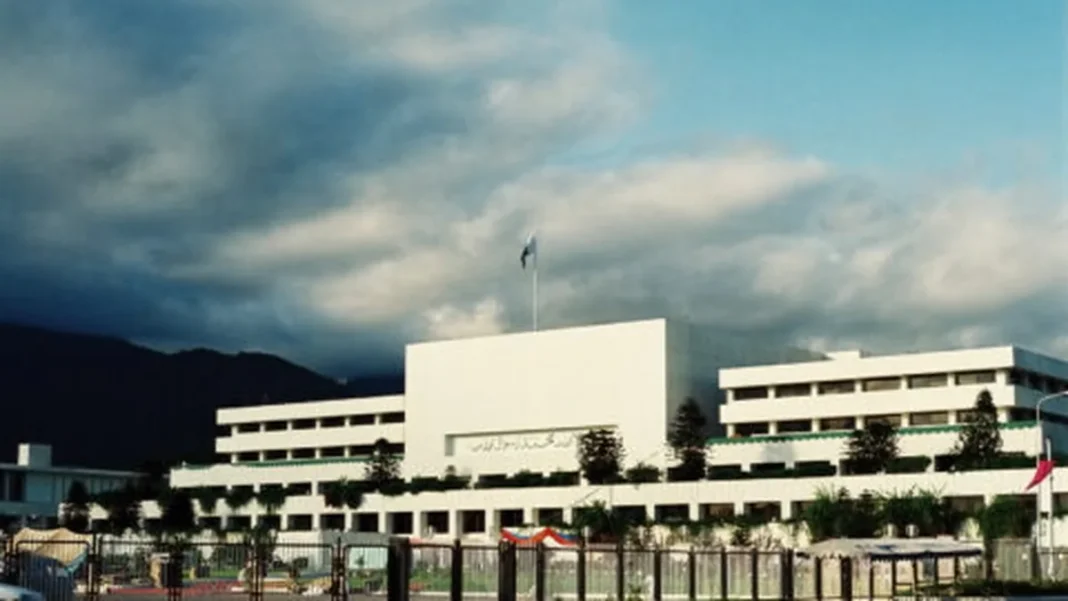
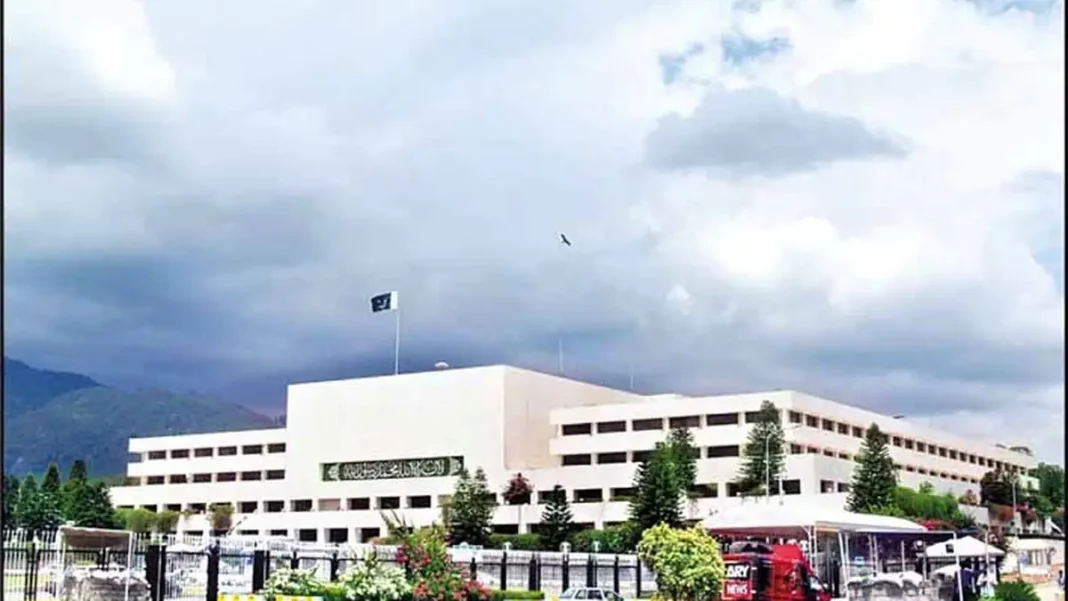
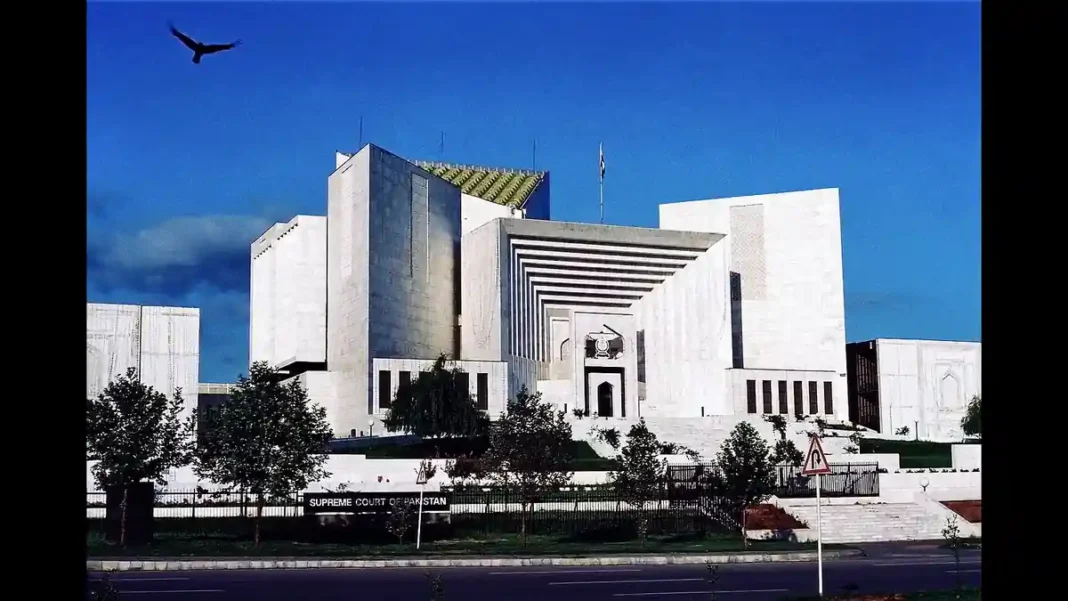
The military, led by Field Marshal Asim Munir (promoted May 2025), is briefed on the crisis and — whatever its formal role — central to every outcome. The judiciary, reshaped by the 26th Amendment (2024) and the new Federal Constitutional Court (27th Amendment, 2025), will adjudicate the legal battles. Parliament (336 National Assembly seats) is where the government’s majority lives — and where no-confidence motions live too. For the crisis timeline, see our political crisis pillar and the detailed timeline hub.
Frequently Asked Questions
Who is ruling Pakistan in 2026?
A PML-N-led coalition under Prime Minister Shehbaz Sharif, with the PPP as partner and Asif Ali Zardari as President — in office since March 2024.
Who leads the opposition in Pakistan?
The PTI, founded by jailed former PM Imran Khan. Its parliamentary and street leadership includes KP Chief Minister Sohail Afridi and chairman Barrister Gohar Khan.
Which party governs which province?
PML-N governs Punjab, PPP governs Sindh, PTI governs Khyber Pakhtunkhwa, and Balochistan has a coalition arrangement. KP is the current political flashpoint.
What is the establishment in Pakistani politics?
Shorthand for the military and intelligence leadership’s role in politics — formally denied a political role, widely seen by analysts as central to major outcomes. The current army chief is Field Marshal Asim Munir.