Pakistan’s people — beyond the headcount. Ethnic diversity, languages, religion, the rural-urban split and what holds 26 crore people together as a nation.
Quick answer: Pakistan’s people: Punjabi 44.7%, Pashtun 15.4%, Sindhi 14.1%, Saraiki 8.4%, Muhajir 7.6%, Balochi 3.6%; 96.5% Muslim; 61% rural; median age 21.8 — one of the world’s youngest populations.
In this guide
Ethnic Groups
Punjabis (44.7%) — the plurality, concentrated in Punjab. Pashtuns (15.4%) — KP and northern Balochistan. Sindhis (14.1%) — rural Sindh. Saraikis (8.4%) — southern Punjab. Muhajirs (7.6%) — Urdu-speaking, urban Sindh. Baloch (3.6%) — Balochistan. Plus Kashmiris, Gilgitis, Baltis and others.
Languages
Punjabi is the most-spoken mother tongue (~39%), followed by Pashto, Sindhi, Saraiki and Urdu. Urdu — the national language — is the mother tongue of under 8% but the lingua franca binding the federation; English is the official language of government and courts.
Religion
96.5% Muslim — majority Sunni with a large Shia minority (15–20%). Christians (~1.6%) form the largest minority, followed by Hindus (concentrated in Sindh), with Sikh, Parsi and Kalash communities.
Rural-Urban Life
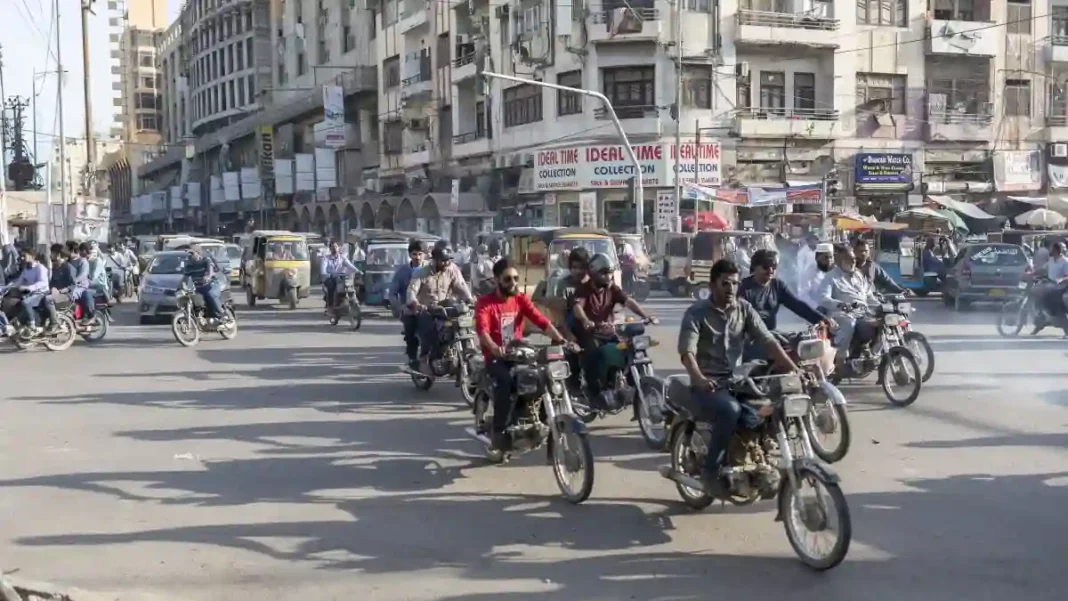
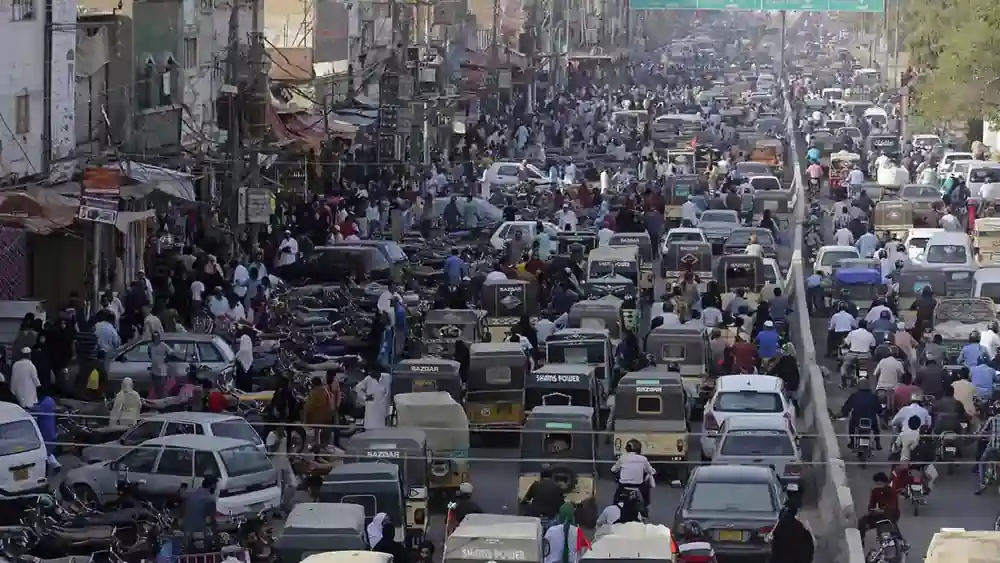
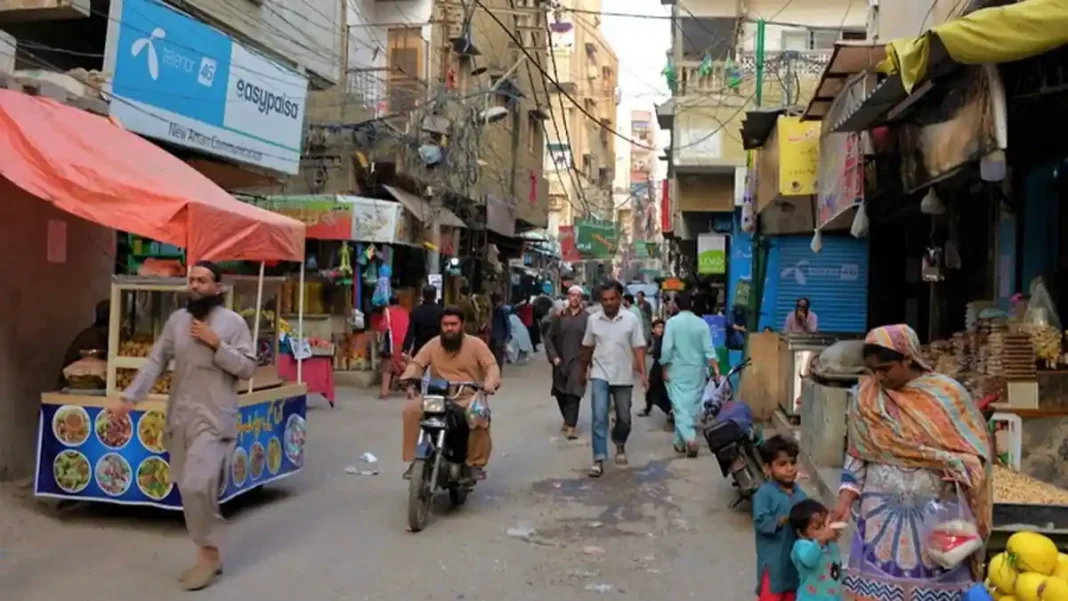
61% rural, 39% urban — but the cities grow relentlessly. Karachi (2.12 cr) is the economic heart; Lahore (1.41 cr) the cultural one. The rural majority farms; the urban minority drives industry and services. More numbers in our population pillar guide.
What are Pakistanis called?
Pakistanis — with strong sub-national identities (Punjabi, Sindhi, Pashtun, Balochi) alongside the national one.
Which is the largest ethnic group in Pakistan?
Punjabis at 44.7% of the population — though no group holds an outright majority.
Related Population Guides