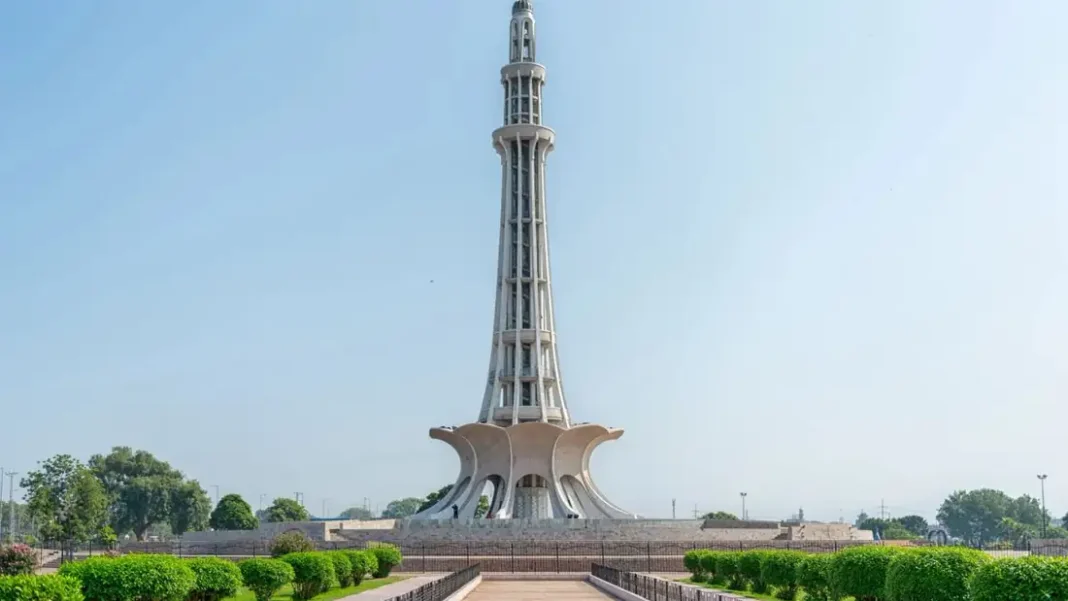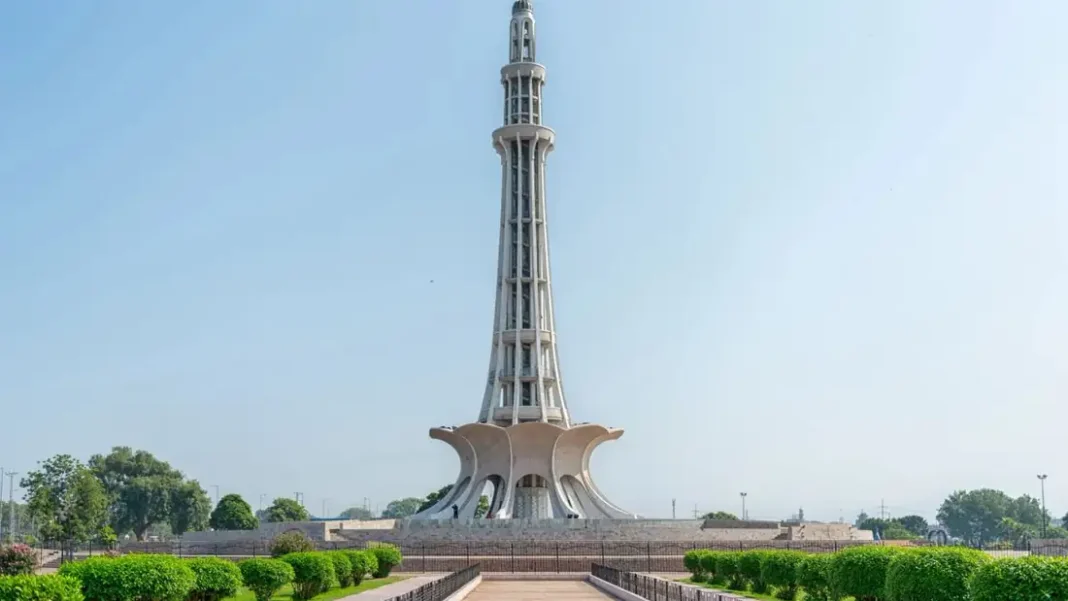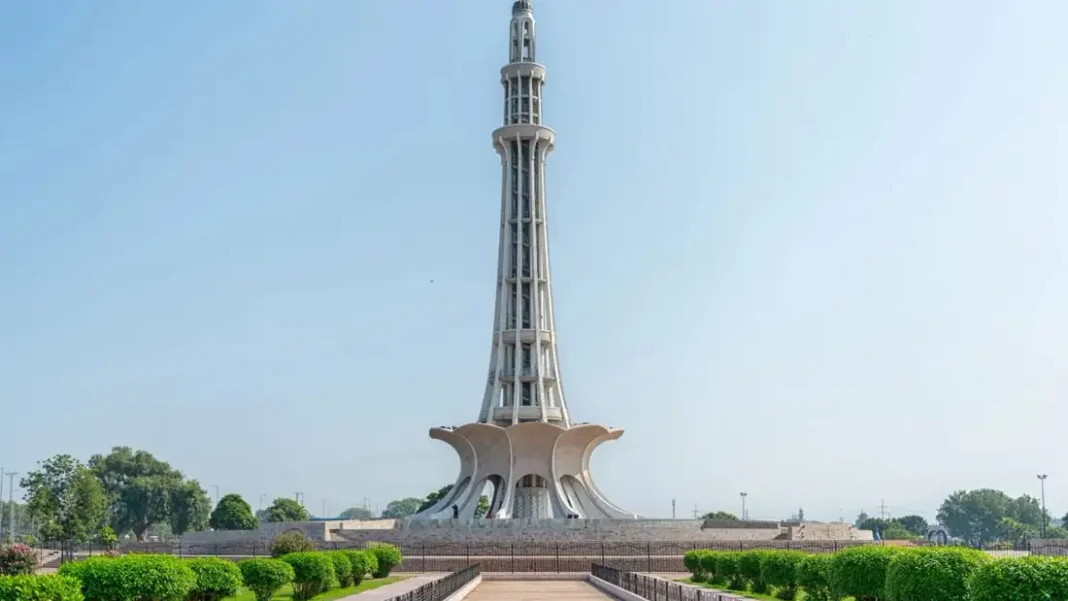
Pakistan became a republic on 23 March 1956, when its first constitution came into force and the country was proclaimed the Islamic Republic of Pakistan. That is why 23 March is celebrated as Pakistan Day (Yaum-e-Pakistan) — it marks both the 1940 Lahore Resolution and the 1956 republic. Here is the full story.
Quick answer: Pakistan became a republic on 23 March 1956, with the adoption of its first constitution — nine years after independence. It became the Islamic Republic of Pakistan, with Iskander Mirza as its first president. The 1956 constitution was abrogated in October 1958; the current 1973 Constitution also establishes Pakistan as an Islamic republic.
In this guide
1947–1956: the Dominion years
A king, then a republic. From 1947 to 1956 Pakistan was a Dominion within the British Commonwealth — independent, but with the British monarch as formal head of state, represented by the Governor-General (first Jinnah, then Khawaja Nazimuddin, then Ghulam Muhammad, then Iskander Mirza). Laws required royal assent; appeals went to the Privy Council.
The Constituent Assembly spent nine years drafting a constitution, deadlocked over the federal structure, the role of Islam, and the parity of East and West wings. The delay is itself a chapter of Pakistan’s government history — nine years without a constitution for a new state.
23 March 1956: the republic proclaimed
The first constitution. Adopted 29 February 1956 and effective 23 March, the constitution declared Pakistan the Islamic Republic of Pakistan — the first country in the world to adopt the “Islamic republic” title. It provided for a parliamentary system, a president as head of state, and a single National Assembly with parity between the wings. Iskander Mirza, the last Governor-General, became the first president.
The choice of 23 March was deliberate: it was the sixteenth anniversary of the 1940 Lahore Resolution, binding the republic’s birth to the Pakistan movement’s founding demand. Pakistan Day (Yaum-e-Pakistan) has commemorated both ever since — military parade, presidential honours, and national ceremony.
What happened to the 1956 republic
Two years, then abrogation. The 1956 constitution barely functioned: four prime ministers in two years, provincial instability, and President Mirza’s intrigues. On 7 October 1958 Mirza abrogated the constitution and declared martial law; twenty days later General Ayub Khan deposed Mirza and took power himself. Pakistan’s first republican experiment lasted 31 months.
Ayub’s 1962 constitution restored a (presidential) republic; Yahya’s martial law (1969–71) suspended it; the 1973 Constitution — still in force — re-established Pakistan as an Islamic republic with a parliamentary system. The republican title has survived every regime since 1956, whatever the reality behind it.
What “republic” means for Pakistan
Head of state, not monarch. A republic simply means the head of state is not a hereditary monarch — Pakistan’s is the president, elected by parliament and the provincial assemblies. The “Islamic” qualifier, added in 1956, commits the state to Islamic provisions (notably that no law may contradict the Quran and Sunnah, per the Objectives Resolution).
Pakistan has been a republic for 70 years (1956–2026) — longer than it was a dominion (9 years). The pillar guide places the republic in the full constitutional timeline.
When did Pakistan become a republic?
23 March 1956, when the first constitution came into force and Pakistan was proclaimed the Islamic Republic of Pakistan.
Who was Pakistan’s first president?
Iskander Mirza — the last Governor-General, who became the first president on 23 March 1956.
Why is Pakistan Day on 23 March?
It marks two events: the 1940 Lahore Resolution (the demand for Pakistan) and the 1956 constitution that made Pakistan a republic.