

New York: MySpace, one of the biggest names from the early days of social media, is preparing for another return. The planned MySpace comeback has quickly attracted attention from former users and younger social media audiences.
The platform’s owners reportedly confirmed their relaunch plans in August 2026. They aim to bring MySpace back in a fresh form more than two decades after the platform first transformed online social networking.
However, MySpace will enter a completely different digital world this time. Instagram, TikTok, Facebook, YouTube and several newer platforms now compete heavily for users’ attention every day.
Tom Anderson and Chris DeWolfe founded MySpace in 2003. The platform quickly became a major online destination for people who wanted to connect with friends, discover music, and create personalized digital identities.
By 2008, MySpace had grown into one of the largest social networking websites in the world. Its monthly user base reportedly reached around 115 million during its strongest period.
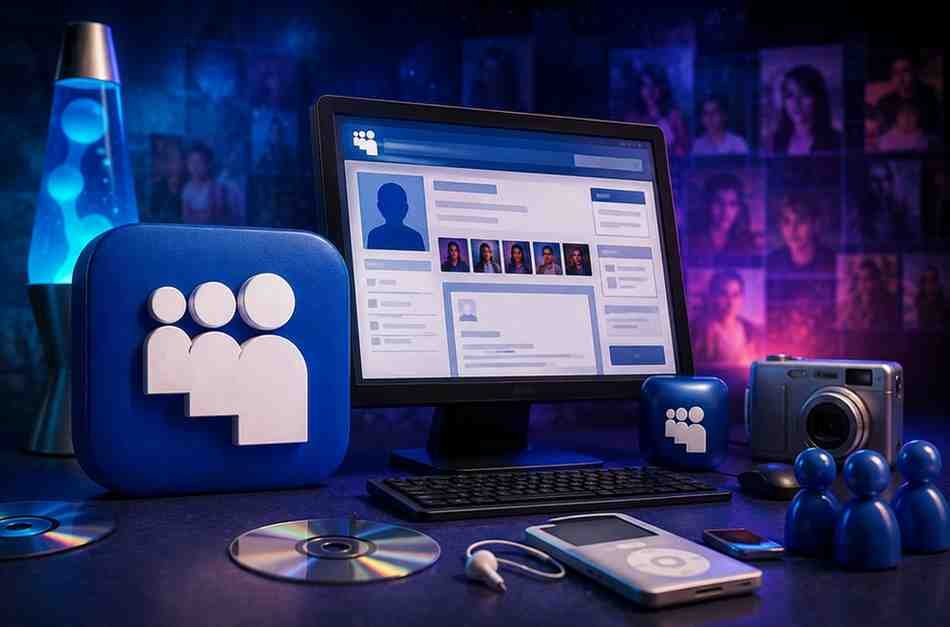
Moreover, MySpace offered features that made it very different from many modern social platforms. Users could customize profiles, choose designs, and add music that automatically represented their personalities and interests.
The famous “Top 8 Friends” feature also became an important part of MySpace culture. Users could publicly display their closest friends, which often created excitement, competition, and even arguments among young users.
Tom Anderson also became one of the most recognizable faces of early social media. His profile appeared as a friend for millions of new users, turning “MySpace Tom” into an internet icon.
However, Facebook changed the social media landscape as it expanded rapidly. Users gradually moved toward Facebook’s cleaner interface and growing network, while MySpace struggled to maintain its dominant position.
As a result, MySpace lost much of the influence it had built during its early years. The platform continued operating, but it never regained the cultural importance that defined its strongest period.
Later, the Vanderhook brothers acquired MySpace through Specific Media for around $35 million. Their company later became known as Viant Technology as the platform continued searching for a new direction.
MySpace also attempted another major relaunch in 2013. However, that effort failed to restore its previous success and reportedly resulted in losses of more than $150 million.
Now, the new MySpace comeback arrives during another major shift in social media habits. Some users have started questioning platforms that rely heavily on recommendation algorithms, endless scrolling, and highly personalized feeds.
Consequently, smaller social networks have attracted people who want different online experiences. Some users increasingly prefer stronger communities, greater control, and more personal ways to interact with friends.
That trend could create an opportunity for MySpace. Its original model focused heavily on individual creativity because users could shape their profiles instead of simply filling standardized social media templates.
Still, nostalgia alone may not guarantee success. Millennials who used MySpace during its golden years now have careers, families, and different online habits than they did in their teenage and early adult years.
Therefore, experts believe the MySpace comeback may depend more heavily on Gen Z and Generation Alpha. These younger audiences never experienced MySpace at its peak, so the platform must offer them more than memories from the early internet era.
Interestingly, younger users have already shown interest in several trends inspired by earlier decades. Retro technology, digital cameras, Y2K fashion and older internet aesthetics have all found new audiences through modern social media.
MySpace could use that cultural shift to its advantage. However, it would still need modern privacy tools, strong mobile features, creator options, and an engaging user experience to compete successfully.
Meanwhile, recent social media trends show how difficult it can be for alternative platforms to maintain momentum. New networks can attract millions of curious users quickly, but keeping those users active presents a much bigger challenge.
For example, Bluesky enjoyed rapid growth during 2024. However, reports later indicated that its daily active user numbers dropped significantly after the initial surge in interest.
Similarly, BeReal gained attention by encouraging users to share more spontaneous and less polished moments. Yet its monthly active user base reportedly fell from around 20 million to approximately 16 million.
These examples highlight the challenge facing any MySpace comeback. A famous brand can attract attention during a relaunch, but long-term success requires users to return regularly and build meaningful connections.
Furthermore, today’s social media users expect fast apps, strong security, and smooth video and photo sharing. MySpace will need to combine its old identity with these modern expectations without simply copying existing competitors.
The platform could also revive its historic connection with music. MySpace once played an important role in helping independent musicians reach new audiences, and a modern version could rebuild that community-driven approach.
However, the owners have yet to reveal every major feature of the planned platform. Users will therefore watch closely for details about its design, launch strategy, and approach to content discovery.
Ultimately, the MySpace comeback represents more than the return of an old social networking name. It will test whether one of the internet’s most famous former platforms can reinvent itself for Gen Z and Generation Alpha.
MySpace already owns something most new social networks lack: global name recognition and a powerful internet legacy. However, its future will depend on whether it can turn that recognition into a social experience that younger users genuinely want to use.