ISLAMABAD: Electricity consumers across Pakistan may face another increase in power tariffs as authorities review a fresh fuel price adjustment request.
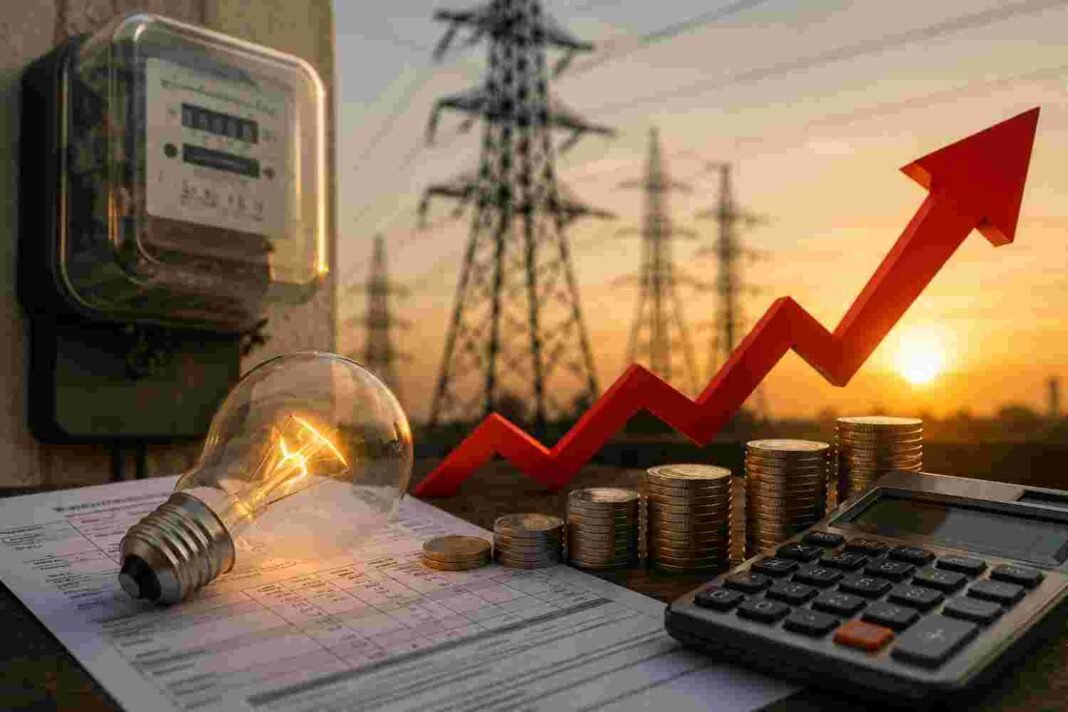
The proposed increase could raise electricity prices by Rs2.52 per unit. The possible hike may apply across the country, including Karachi.
The latest pressure comes from expensive imported LNG used to generate electricity. Higher fuel costs continue to affect the overall cost of power production.
Authorities have submitted the request under the July monthly fuel price adjustment. NEPRA will hear the case on August 27, 2026.
According to the Central Power Purchasing Agency, electricity generated from imported LNG cost around Rs47.38 per unit in July.
Meanwhile, Pakistan generated about 15.122 billion units of electricity during the month. Power distribution companies received nearly 14.501 billion units.
The average electricity generation cost remained around Rs9.61 per unit in July. However, costs varied sharply across energy sources.
Hydropower provided the largest share of electricity during the month. It contributed around 39.81 percent of total generation.
In comparison, furnace oil contributed around 1.42 percent. Electricity produced from furnace oil cost nearly Rs 50.07 per unit.
Diesel-based electricity remained even more expensive. Its generation cost reached approximately Rs54.47 per unit.
Local natural gas contributed around 6.54 percent to the national electricity mix.
Locally produced coal also played an important role. It generated nearly 10.91 percent of total electricity during July.
Nuclear power provided another relatively cheap source of electricity. It contributed around 10.10 percent of total generation.
Nuclear power remained much cheaper than imported fuels. Electricity generated through nuclear fuel cost only about Rs 3.02 per unit.
Therefore, the sharp difference between cheap and expensive energy sources continues to affect overall power costs.
Imported LNG, furnace oil, and diesel remain among the costliest options. Their higher prices can quickly increase monthly fuel adjustment charges.
If NEPRA approves the requested increase, consumers could see the impact in upcoming electricity bills.
The proposed tariff hike may add further pressure on households already dealing with rising living expenses.
Businesses may also face higher operating costs if electricity prices increase. Small businesses often struggle the most when utility bills rise sharply.
Meanwhile, consumers will now wait for NEPRA’s August 27 hearing. The regulator will review the fuel cost data before making a final decision.
The outcome will determine whether electricity tariffs rise by the proposed Rs2.52 per unit or whether NEPRA changes the requested adjustment.
For now, the possibility of another electricity price hike has created fresh concern among consumers across Pakistan.