You wake up after eight hours in bed, yet you feel groggy and tired. Sound familiar? The problem may not be how long you sleep. It may be how deeply you sleep. If you have been wondering how to get more deep sleep, you are not alone.
Deep sleep is the most restorative stage of sleep. During this stage, your body repairs tissue, builds bone and muscle, and strengthens your immune system. Your brain clears out waste and stores memories. Without enough deep sleep, even long nights can leave you feeling drained.
The good news is that you can train your body to spend more time in deep sleep. Small daily habits make a real difference. This guide explains 12 proven tips that help you sleep deeper, starting tonight.
What Is Deep Sleep and Why Does It Matter?
Sleep runs in cycles of about 90 minutes. Each cycle includes light sleep, deep sleep, and REM sleep. Deep sleep, also called slow-wave sleep, usually happens in the first half of the night.
During deep sleep, your breathing and heart rate slow down. Your muscles relax completely. Your brain waves slow into long, steady rhythms. This is when your body does its most important repair work.
Deep sleep supports your immune system. It helps control blood sugar and blood pressure. It also plays a key role in memory and learning. As you age, deep sleep naturally decreases. Therefore, protecting it becomes even more important.
How Much Deep Sleep Do You Need?
Most adults need 7 to 9 hours of total sleep per night. Of that, roughly 13 to 23 percent is usually deep sleep. For an 8-hour night, that means about 1 to 2 hours of deep sleep.
However, these numbers are averages, not rules. Some people feel great with slightly less deep sleep. Others need more. Your age, activity level, and health all play a role.
Instead of chasing a perfect number, focus on how you feel. If you wake up refreshed and stay alert during the day, your sleep is probably working. If you feel tired despite enough hours in bed, your deep sleep may need attention.
How to Get More Deep Sleep: 12 Proven Tips
These 12 habits are simple, free, and backed by sleep science. You do not need to adopt all of them at once. Start with two or three, then add more over the coming weeks.
1. Keep a Consistent Sleep Schedule
Go to bed and wake up at the same time every day, including weekends. A steady schedule trains your body’s internal clock. As a result, you fall asleep faster and move into deep sleep more reliably.
Irregular schedules confuse your body. Sleeping in on weekends, for example, shifts your clock and makes Sunday night harder. This pattern even has a name: social jet lag.
Pick a wake-up time you can keep seven days a week. Then set your bedtime to allow 7 to 9 hours of sleep. Consistency matters more than perfection.
2. Exercise Regularly — But Time It Right
Regular exercise is one of the strongest ways to deepen sleep. Active people fall asleep faster and spend more time in deep sleep. Both aerobic exercise and strength training help.
Aim for at least 30 minutes of moderate activity most days. Brisk walking, cycling, and swimming all count. However, avoid intense workouts in the 2 to 3 hours before bed. Late vigorous exercise raises your body temperature and alertness, which can delay sleep.
Morning or afternoon exercise works best for most people. If evenings are your only option, choose gentle activity like stretching or a slow walk.
3. Cut Caffeine After Midday
Caffeine blocks the brain chemical that makes you feel sleepy. It has a half-life of about 5 to 6 hours. This means half the caffeine from your afternoon coffee is still in your system at bedtime.
Even if caffeine does not stop you from falling asleep, it can reduce deep sleep. Many people do not realise their evening restlessness comes from a mid-afternoon coffee.
Set a caffeine cutoff around noon or early afternoon. Remember that tea, chocolate, energy drinks, and some medicines also contain caffeine. Switch to water or herbal tea later in the day.
4. Limit Alcohol in the Evening
Alcohol may help you fall asleep faster, but it harms sleep quality. It suppresses deep sleep in the first half of the night. Later, as it wears off, it causes restless, broken sleep.
Heavy evening drinking can also worsen snoring and breathing pauses. These interruptions pull you out of deep sleep without you realising it.
If you drink, keep it moderate and finish at least 3 to 4 hours before bed. Better still, choose alcohol-free evenings most nights of the week.
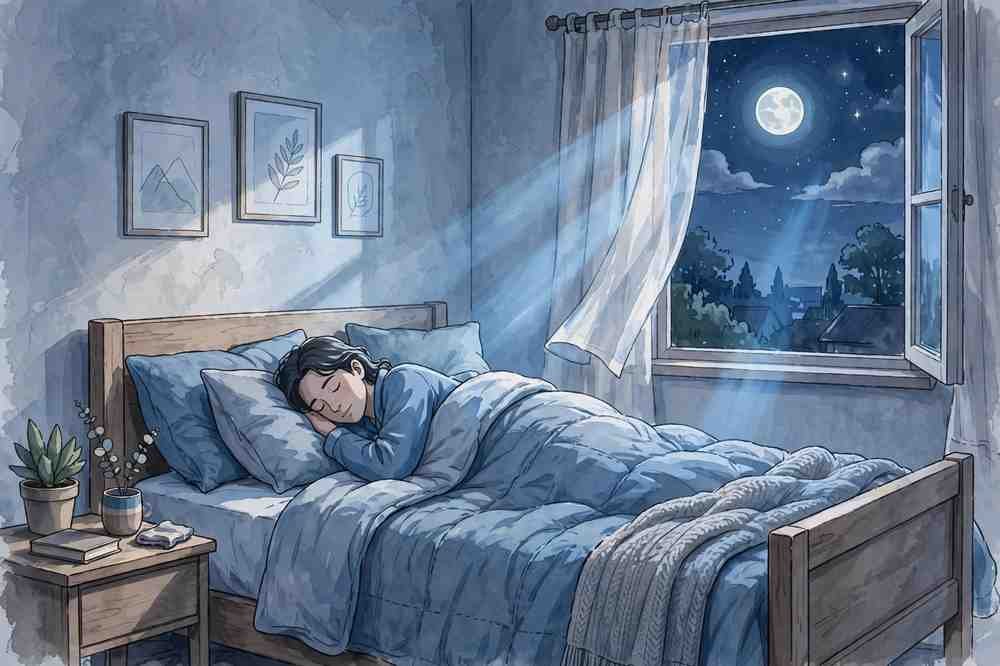
5. Keep Your Bedroom Cool, Dark, and Quiet
Your body temperature needs to drop for deep sleep to begin. A cool room helps this happen. Most sleep experts suggest a bedroom temperature around 18 to 20 degrees Celsius.
Light also matters. Even small amounts of light can reduce sleep depth. Use blackout curtains or a sleep mask. Cover or remove glowing electronics.
Noise is the third enemy of deep sleep. Sudden sounds pull you into lighter sleep. If your area is noisy, try earplugs or a white noise machine. A steady background sound masks sudden noises.
6. Build a Relaxing Wind-Down Routine
Your brain needs a signal that sleep is coming. A 30 to 60 minute wind-down routine provides that signal. It lowers stress hormones and eases you toward deep sleep.
Choose calming activities. A warm shower or bath works well, because the cooling that follows mimics the body’s natural temperature drop. Reading a book, gentle stretching, or quiet music also help.
Do the same steps in the same order each night. Over time, your brain links the routine with sleep. This conditioning makes falling asleep easier and deep sleep more likely.
7. Put Screens Away Before Bed
Phones, tablets, and laptops emit blue light. This light suppresses melatonin, the hormone that tells your body it is night. Less melatonin means lighter, more broken sleep.
Screens also keep your mind alert. News, social media, and work emails raise stress and curiosity. Both delay the deep relaxation your body needs.
Set a screen curfew 60 minutes before bed. Charge your phone outside the bedroom if possible. If you must use a device, switch on night mode and keep the content calm.
8. Get Morning Sunlight
Daylight is the strongest cue for your body clock. Morning sunlight tells your brain when daytime starts. This sets the timer for melatonin release about 14 to 16 hours later.
Step outside within an hour of waking, even on cloudy days. Outdoor light is far brighter than indoor lighting. Just 10 to 20 minutes makes a difference.
This habit is especially helpful in winter or for people who work indoors. Better daytime light leads to deeper night-time sleep.
9. Be Careful With Late-Night Eating
Heavy meals close to bedtime force your body to digest when it should be resting. This can cause discomfort, heartburn, and lighter sleep. Spicy and fatty foods are the worst offenders.
Try to finish dinner 2 to 3 hours before bed. If you feel hungry later, choose a light snack. A small banana, a handful of nuts, or warm milk are gentle options.
Also limit fluids right before bed. Waking up to use the bathroom breaks your sleep cycles. Drink most of your water earlier in the day.
10. Manage Stress During the Day
Stress is a major thief of deep sleep. High cortisol levels keep your body in alert mode. Racing thoughts at bedtime are a classic sign of daytime stress spilling over.
Build stress relief into your day, not just your evening. Short walks, deep breathing, and journaling all lower tension. Even 10 minutes of quiet time helps.
Try a “worry dump” before bed. Write tomorrow’s tasks and worries on paper. This tells your brain it can let go. Many people find this simple habit surprisingly powerful.
11. Nap Wisely — Or Skip Naps
Long or late naps reduce your sleep pressure. Sleep pressure is the natural tiredness that builds during the day. Less pressure at night means lighter, shallower sleep.
If you nap, keep it short and early. A 10 to 20 minute nap before 3 p.m. refreshes you without harming night sleep. Set an alarm so you do not oversleep.
If you struggle with deep sleep, try skipping naps for a week. You may find your nights become noticeably deeper.
12. Try White Noise or Calming Sounds
A steady background sound can protect deep sleep. White noise, rain sounds, or soft fan hums mask sudden noises. This keeps you from waking during light sleep transitions.
Choose sounds without sudden changes. Nature recordings and dedicated white noise machines work well. Avoid music with lyrics or strong beats, which can stimulate the brain.
Keep the volume low, like a soft whisper. Experiment for a few nights to find what suits you. Many poor sleepers report deeper rest within a week of trying this.
How to Track Your Deep Sleep
You cannot improve what you do not measure. Many fitness watches and rings now estimate sleep stages. They track movement and heart rate to guess how much deep sleep you get.
These devices are useful for spotting trends, but they are not perfectly accurate. Treat the numbers as rough guides, not medical facts. The best measure is still how you feel each morning.
Keep a simple sleep diary for two weeks. Note your bedtime, wake time, and morning energy on a scale of 1 to 10. Patterns will emerge, and you will see which habits help you most.
When to Talk to a Doctor About Sleep
Sometimes poor deep sleep signals a medical issue. Loud snoring, gasping, or pauses in breathing may point to sleep apnoea. This condition repeatedly interrupts deep sleep and needs treatment.
See a doctor if you feel exhausted despite good habits, if your partner notices breathing pauses, or if daytime sleepiness affects your safety. Restless legs and chronic insomnia also deserve professional help.
A sleep study can measure your sleep stages precisely. Treatment options range from lifestyle changes to breathing devices. Do not suffer in silence when help is available.
Frequently Asked Questions
Can you really increase deep sleep?
Yes. While you cannot force deep sleep directly, the habits in this guide create the right conditions for it. Consistent schedules, daytime exercise, and a cool dark bedroom all increase the time your body spends in deep sleep.
How long does it take to see results?
Some changes, like cutting late caffeine, can help within days. Full results usually take 2 to 4 weeks of consistent habits. Your body clock needs time to adjust, so be patient and track your progress.
Do sleep supplements improve deep sleep?
Supplements like melatonin and magnesium are popular, but evidence for deep sleep is mixed. Melatonin mainly helps with falling asleep, not sleep depth. Always talk to a doctor before trying supplements.
Is deep sleep more important than total sleep hours?
Both matter. You need enough total sleep for your body to complete full sleep cycles. However, 8 hours of shallow, broken sleep is less restorative than 7 hours of deep, continuous sleep. Aim for both.
What is the biggest cause of poor deep sleep?
The most common culprits are irregular schedules, late caffeine or alcohol, and stress. Screen use before bed and a warm, bright bedroom also hurt. Fix these basics first before looking for complex solutions.
Conclusion: Small Habits, Deeper Sleep
Learning how to get more deep sleep does not require expensive gadgets or drastic changes. It comes down to steady daily habits. Keep a regular schedule, move your body, watch caffeine and alcohol, and make your bedroom a true rest space.
Start with two or three tips from this guide tonight. Track how you feel each morning. Within a few weeks, you should notice deeper, more refreshing sleep.
Your body does its best repair work while you sleep deeply. Give it the chance it deserves. Tonight could be the night your sleep finally changes.
This article is for general information only and is not medical advice. If you have concerns about your health, please consult a qualified healthcare professional.