PM Sets Rs2.2tr SME Financing Target by 2028
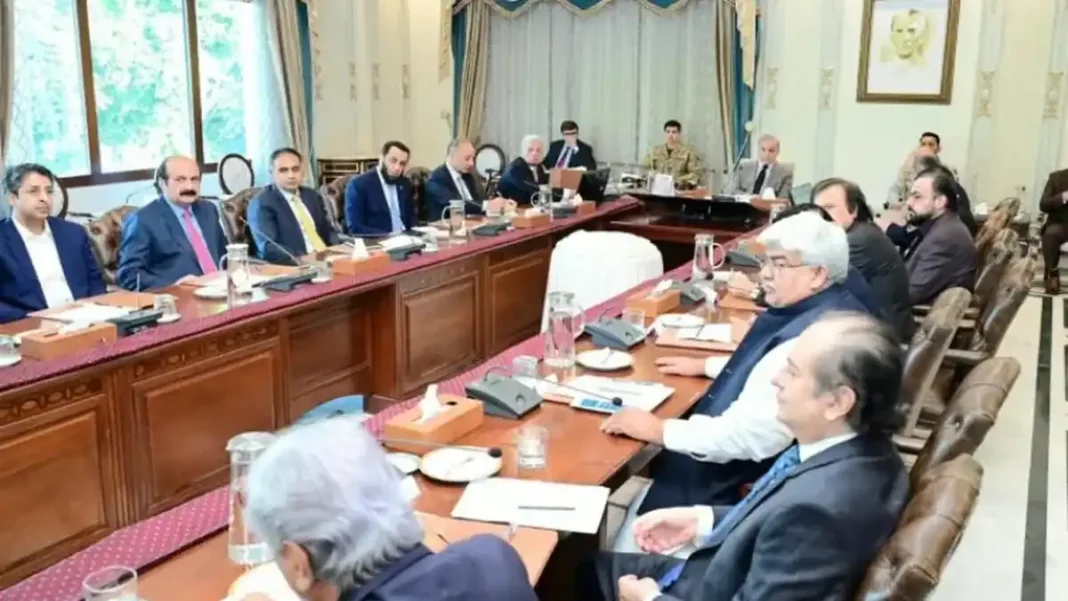
Prime Minister Shehbaz Sharif on Monday set an SME financing target of Rs2.2 trillion by 2028, directing that total lending to small and medium enterprises be doubled from the current Rs1.1 trillion. He chaired a meeting on the Small and Medium Enterprises Development Authority (SMEDA) in Islamabad and called the business community the backbone of the economy.
The prime minister said SMEs are a driver of growth and jobs, and told SMEDA to draw up a comprehensive plan to expand access to business loans across the country.
What the SME Financing Target Means
The new target would lift SME financing from Rs1.1 trillion today to Rs2.2 trillion within two years. That is an ambitious jump for a segment that has historically struggled to get bank credit.
Small and medium enterprises make up more than 80 per cent of Pakistan’s industrial base, yet their share of private-sector credit has stayed low. Raising the target signals that the government wants banks and financial institutions to push deeper into this market.
The announcement also builds on an earlier goal set during a September briefing under Finance Minister Aurangzeb, when officials spoke of a Rs2 trillion target with 775,000 borrowers by June 2028. The prime minister’s new Rs2.2 trillion figure raises that bar further.
Current Lending Picture
Outstanding SME financing stood at Rs1.137 trillion by the end of September 2026, after rising by Rs23 billion during the quarter, according to figures shared in recent briefings. The country currently has around 350,862 active SME borrowers.
Those numbers show steady but modest growth. Reaching Rs2.2 trillion by 2028 will require banks to add hundreds of thousands of new borrowers, not just larger loans to existing ones.
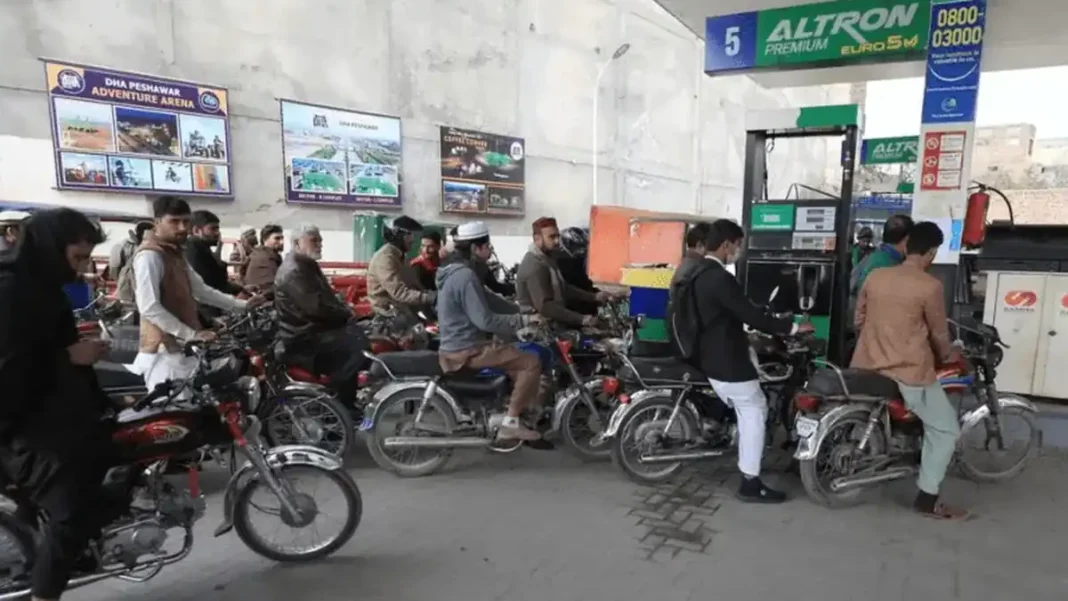
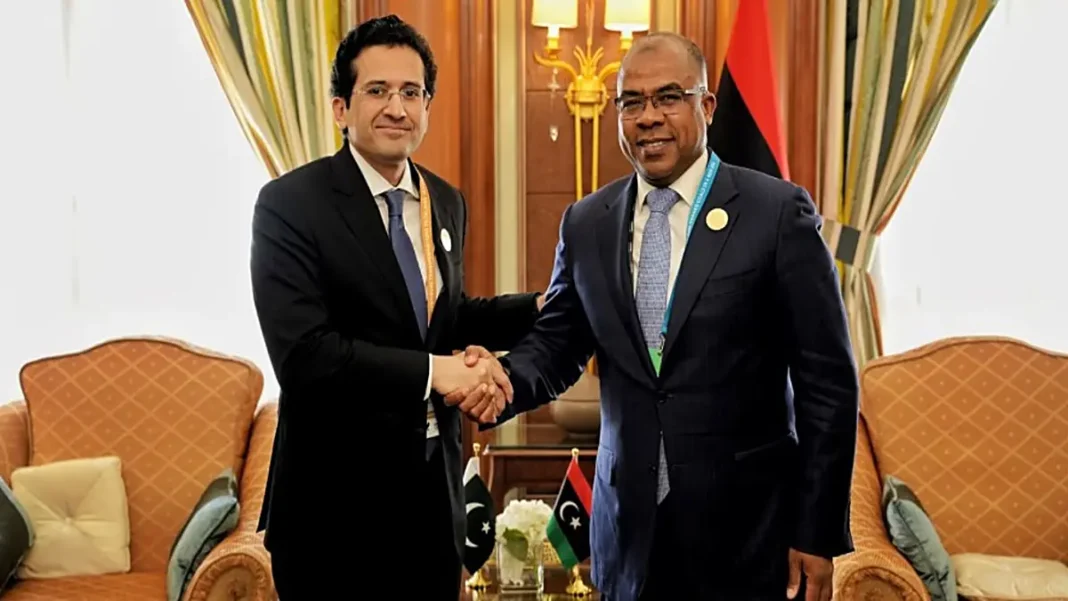
Fuel and energy costs remain a live concern for small firms. Petrol prices were cut by Rs2.93 per litre for the second half of October, which should ease running costs for businesses that depend on transport. Meanwhile, oil markets have been watching regional tensions, including the Houthi missile intercepted near Riyadh, which can feed through to domestic fuel prices. New energy investment through the Pakistan-Libyan crude refineries forum also points to longer-term plans to stabilise supply.
What SMEDA Must Do Next
The prime minister gave SMEDA a clear list of tasks. The authority must:
- Prepare a comprehensive plan to educate people about business-loan procedures.
- Raise public awareness of entrepreneurship.
- Commission feasibility studies for SMEs in various sectors through industry experts.
- Publish those studies in local languages so they reach people in rural areas.
He also stressed empowering people in underdeveloped areas to start businesses where they live, so they do not have to move to big cities to earn a living. The government has been keeping a closer eye on development work in underserved regions, including through an 11-member panel set up to monitor KP.
Officials briefed the prime minister on ongoing SMEDA reforms during the meeting.
Frequently Asked Questions
What is the new SME financing target?
Prime Minister Shehbaz Sharif has directed that total SME financing rise from Rs1.1 trillion to Rs2.2 trillion by 2028. The announcement was made at a SMEDA meeting in Islamabad on October 12, 2026.
How many SME borrowers are there now?
There are around 350,862 active SME borrowers. Outstanding SME financing reached Rs1.137 trillion by end-September 2026, up Rs23 billion in the quarter.
What will SMEDA do to meet the target?
SMEDA must educate the public about loan procedures, raise awareness of entrepreneurship, commission sector feasibility studies through industry experts, and publish them in local languages. It will also work on helping people in underdeveloped areas start businesses locally.
Why do SMEs matter to the economy?
SMEs form more than 80 per cent of Pakistan’s industrial base and are a major source of jobs. The prime minister called the business community the backbone of the economy and SMEs a driver of growth and employment.