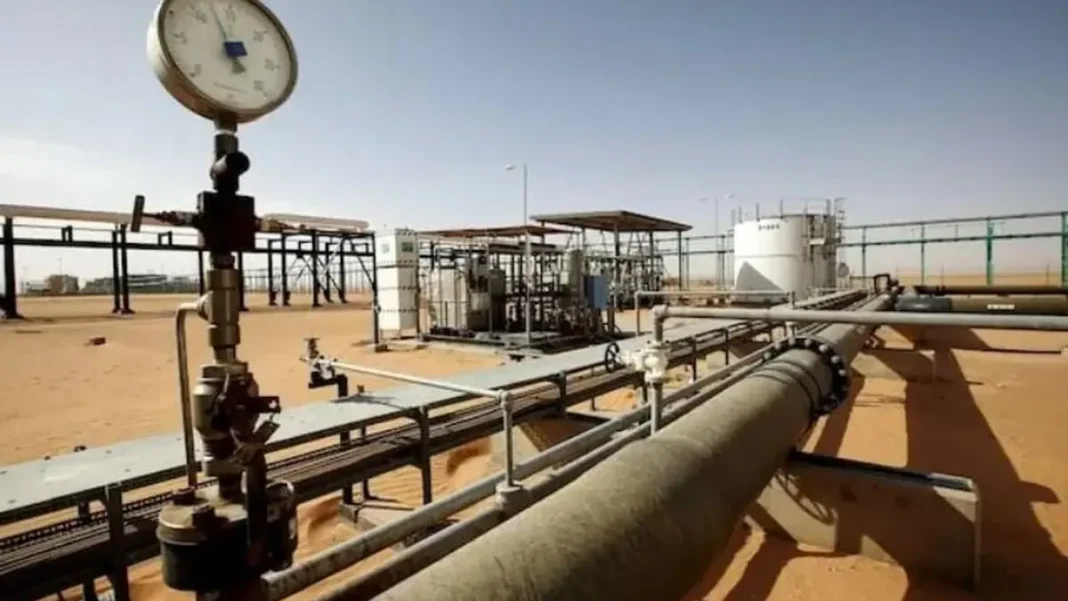
Pakistan has encouraged its refineries to explore imports of Libyan oil, in a Pakistan Libyan crude push that Petroleum Minister Ali Pervaiz Malik set out in Riyadh on Monday. Malik raised the plan with Libya’s Oil and Gas Minister Khalifa Rajab Abdulsadek on the sidelines of the 17th International Energy Forum ministerial meeting.
The Libyan minister responded positively. He called Pakistan an important country for Libya and said he would press Libya’s national oil company to allocate crude to Pakistani companies. The two ministers also discussed refinery upgrading, an area where Libya plans work of its own and wants to learn from Pakistan’s experience in the sector.
The purpose of the plan is practical. Pakistan depends heavily on imported energy, and most of that fuel travels through a small number of sea routes. Malik said alternative supplies would matter if shipping through the Strait of Hormuz or the Bab al-Mandeb Strait faced disruption, so officials want options ready before a crisis forces the issue.
Pakistan Libyan crude: one part of a wider Riyadh round
The Libya meeting was one of several Malik held in the Saudi capital. He discussed liquefied natural gas cooperation with Qatar’s Energy Minister Saad Sherida Al-Kaabi. LNG matters directly to Pakistan, since Qatari cargoes supply a large share of the gas used by power plants and industry at home.
A third meeting covered exploration. Turkish Energy Minister Alparslan Bayraktar told Malik he looked forward to visiting Pakistan next month, when a seismic vessel from the Turkish Petroleum Corporation is expected to begin collecting data in the Indus Basin. The survey would search for oil and gas in Pakistan’s offshore zone, where no large commercial find has yet been confirmed.
Malik attended the forum at the invitation of Saudi Energy Minister Prince Abdulaziz bin Salman. Speaking at the plenary session on investment and trade in sustainable energy, he said Pakistan stood shoulder to shoulder with Saudi Arabia in a difficult moment. He condemned the Houthi attacks on Saudi territory and offered condolences for the lives lost.
That message lands at a tense time for the kingdom. Feature Pakistan reported on Monday that the closure of Riyadh airport was extended while safety checks continued after the weekend strikes, and earlier reporting covered the Pakistani national killed in the fresh strike on the airport. Energy ties and security ties between Islamabad and Riyadh are moving together this week.
Coping with the 2026 supply shock
Malik told the forum that the global energy sector is entering a new investment cycle. In his view, security of supply, affordability and sustainability now have to advance together. Investment is needed in renewables, he said, but also in hydrocarbons, critical minerals and basic infrastructure such as grids and pipelines.
He also reviewed how Pakistan handled this year’s shock. The disruption of 2026 reached beyond oil and gas into shipping and insurance, he noted. Even so, Pakistan avoided rationing its main energy sources, despite its heavy import dependence. Malik credited the government response and help from Saudi Arabia, Qatar and Kuwait. For the longer term, he listed steps at home: strategic reserves, a bonded reserves scheme, higher domestic production, and fresh investment in refineries and tank farms.
Why this matters at the petrol pump
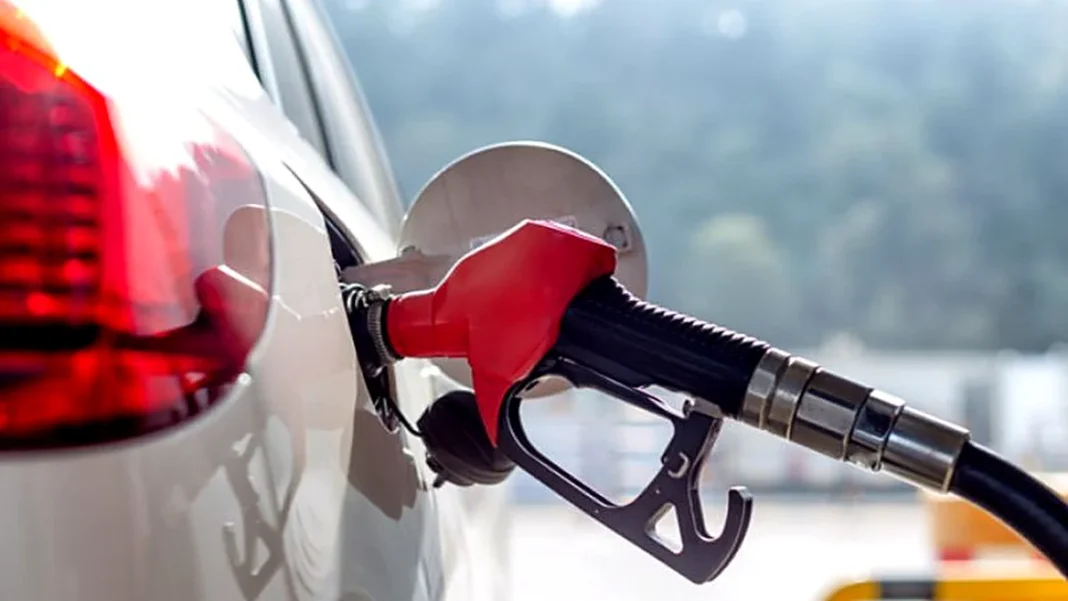
The Riyadh talks may sound distant, but they connect directly to prices in Pakistan. Feature Pakistan reported on Monday that petrol has risen by Rs145 a litre during 2026 under the system of daily price revisions, taking petrol to about Rs398 a litre. When a country imports most of its fuel, every extra supply route is a small hedge against the next spike.
Energy costs also feed into the wider economy. The KSE-100 fell 1,964 points on Monday as investors weighed political uncertainty and high oil prices, while Trump announced an energy ceasefire in the Ukraine war, a step that could ease global prices if it holds. A Libyan supply line would not transform Pakistan’s fuel market on its own. It would, however, give refiners one more source when the usual routes come under strain. Reporting by WE News English and Mettis Global contributed to this article.
What is the Pakistan Libyan crude plan?
Petroleum Minister Ali Pervaiz Malik has encouraged Pakistani refineries to explore crude imports from Libya. Libya’s oil minister said he would press the national oil company to allocate crude to Pakistani companies.
Why does Pakistan want Libyan oil?
Pakistan imports most of its energy through a few sea routes. Libyan crude would give refiners an alternative supply if the Strait of Hormuz or the Bab al-Mandeb Strait faced disruption.
What else did Malik discuss in Riyadh?
He discussed LNG cooperation with Qatar’s energy minister and offshore exploration with Turkey’s energy minister. A Turkish seismic vessel is expected to collect data in the Indus Basin next month.