Aurangzeb assures IMF Pakistan’s subsidies will stay targeted and budget-neutral
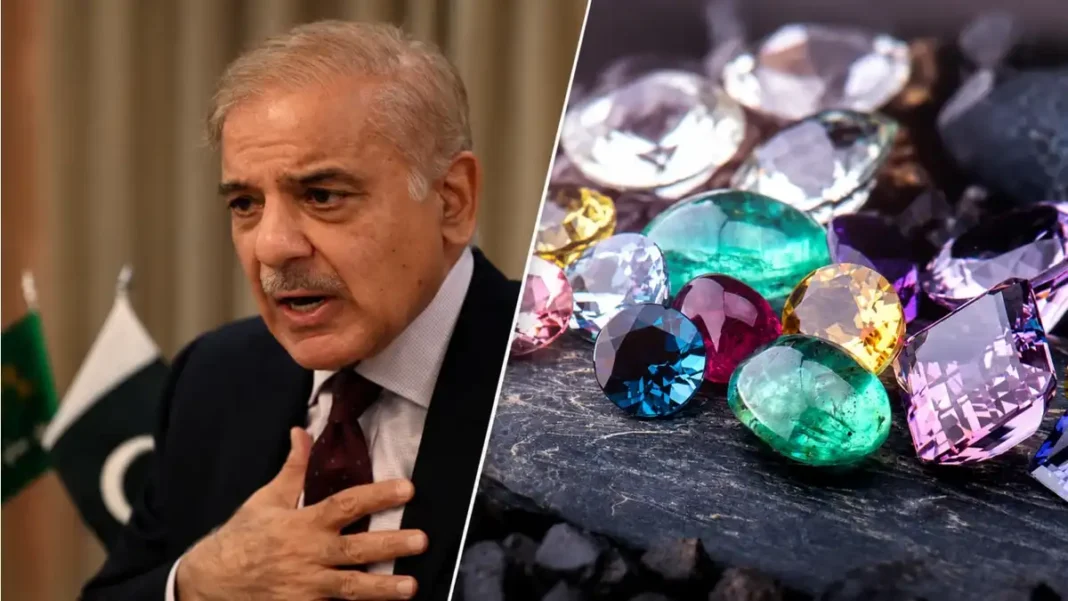
Pakistan will keep its subsidies budget-neutral, targeted and time-bound, Finance Minister Muhammad Aurangzeb told the managing director of the International Monetary Fund in Bangkok on Wednesday. The meeting took place on the sidelines of the 2026 World Bank Group-IMF Annual Meetings, where Aurangzeb also joined the Middle East, North Africa, Afghanistan and Pakistan (MENAP) ministerial gathering. The commitment keeps Pakistan IMF subsidies limited to low-income families, protecting vulnerable groups in ways that preserve both the budget and social cohesion. The original report appeared on ProPakistani.
Pakistan’s fiscal turnaround
Aurangzeb told the IMF chief that Pakistan’s fiscal deficit now sits at a 22-year low, and that the country has recorded primary surpluses in three consecutive years. Economic growth has reached 3.7 percent, while foreign exchange reserves have climbed to a historic high, enough to cover three months of imports. The minister said the reserve cushion also gives Pakistan stronger buffers against climate-related and regional shocks. Earlier, the Fund approved $1.2 billion for Pakistan, and reserves edged up to $26.8 billion in State Bank data this month.
Pakistan IMF subsidies limited: what it means for households
Budget-neutral means the government pays for every rupee of subsidy with savings or revenue elsewhere, so the total cost does not add to the deficit. Targeted means the money reaches low-income families, not blanket price cuts that also benefit the well-off. Time-bound means each scheme carries an end date instead of turning into a permanent drain on public money.
For Pakistani consumers, the difference is practical. Broad fuel and power subsidies in past years were kept off the books and pushed the deficit higher; the government is now signalling it will favour direct support to the poorest households instead. The shift matters most when weekly inflation is running in double digits – Feature Pakistan reported short-term inflation at 11.97pc – and petrol is selling at Rs398.96 a litre. Under the new approach, relief would be aimed at those who feel those prices most, without widening the gap the Fund is watching.
Eurobond, ratings and the October 7 agreement
Aurangzeb pointed to recent sovereign credit rating upgrades and Pakistan’s Eurobond issuance in September as signs that global investors are regaining confidence. He also cited the October 7 staff-level agreement with the IMF as further momentum behind the reform story. The federal budget presented in June set the fiscal course the government is now defending in front of the Fund.
Energy, trade routes and regional integration
The finance minister pressed for diversified energy sources and trade routes, deeper regional integration, and greater investment in logistics and food systems. He reaffirmed Pakistan’s commitment to multilateralism and said the country was ready to contribute actively to regional cooperation. The trade push comes as the WTO raised its 2026 trade growth forecast to 3.9pc and counted Pakistan among the gainers.
FAQs
What did Aurangzeb promise the IMF about subsidies?
He said subsidies would be budget-neutral, targeted at low-income families and time-bound, protecting vulnerable groups without widening the fiscal deficit.
What does a budget-neutral subsidy mean?
The government funds each subsidy through offsetting savings or revenue elsewhere, so the net cost to the budget stays at zero.
Where did Aurangzeb meet the IMF’s managing director?
In Bangkok on Wednesday, on the sidelines of the 2026 World Bank Group-IMF Annual Meetings, where he also attended the MENAP ministerial meeting.
What economic numbers did Pakistan present?
A fiscal deficit at a 22-year low, three straight primary surpluses, 3.7 percent growth and record foreign exchange reserves covering three months of imports.
Tags: IMF Pakistan, Pakistan subsidies, Muhammad Aurangzeb, IMF programme, fiscal deficit, Eurobond, Bangkok Annual Meetings