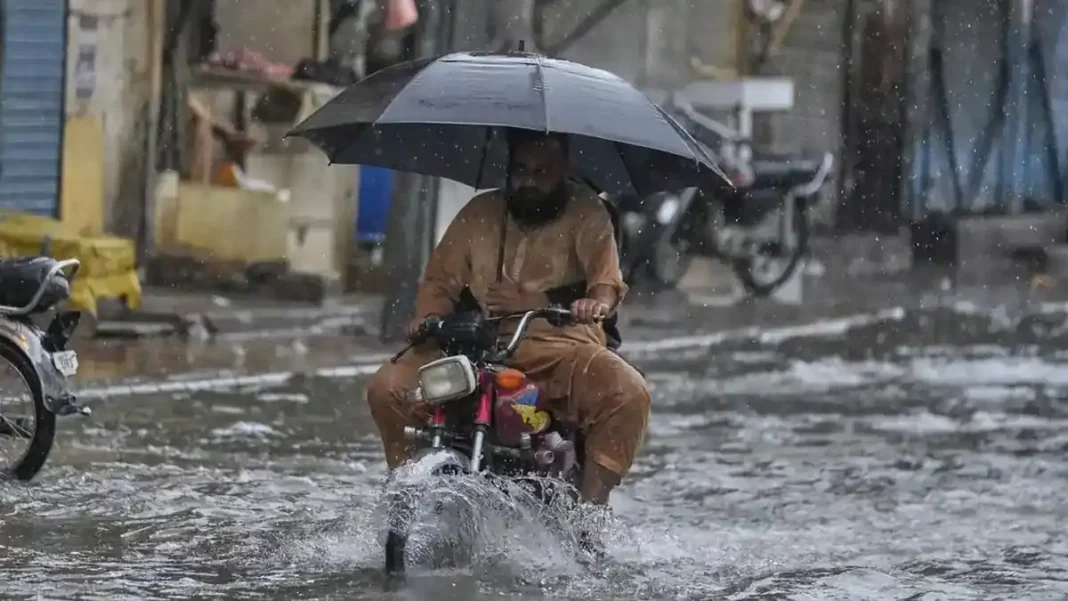
Pakistan just lived through its hottest monsoon in 66 years, PMD data shows
The hottest monsoon Pakistan has recorded in 66 years ended with the national average temperature reaching 30.7 degrees Celsius, breaking the previous record of 30.6°C set in 2019, according to a report issued by the Pakistan Meteorological Department.
The record comes only seven years after the last peak, and it arrived alongside a wide rainfall shortfall across most of the country, with Sindh recording the largest deficit.
Hottest monsoon Pakistan: the numbers
Turbat in Balochistan recorded 48.5°C during the monsoon season, with the area’s hottest days falling on July 7, 12, 30 and 31. At the other extreme, Skardu in Gilgit-Baltistan dropped to 6°C on September 23 and 26, reflecting the colder conditions towards the season’s end.
Rainfall told a story of sharp regional contrasts. According to the PMD data, monsoon rain in Sindh remained 51% below normal, while Balochistan recorded a shortfall of 34%. Azad Jammu and Kashmir was 18% below normal, followed by Khyber Pakhtunkhwa at 16% and Punjab at 4%.
Gilgit-Baltistan was the sole exception, receiving 5% more rainfall than normal, the only region in the report with above-normal monsoon precipitation.
Despite the overall shortfall, some areas saw intense downpours. Lahore airport recorded 252 millimetres of rainfall in a single day on July 23, while Gujranwala received a cumulative 607mm during July.
A pattern, not an anomaly
The figures fit a trend our newsroom has been documenting. Sindh’s rainfall deficit already stood out in the seasonal data earlier this month, and the prolonged dry spell helped push drought-hit families in Tharparkar to migrate with their livestock. The heat also fed the smog build-up hanging over Lahore as the monsoon gave way to autumn.
What the PMD report adds is the national scale: hotter than any monsoon since 1960, drier almost everywhere except the far north, and punctuated by violent single-day deluges. That combination, heat plus erratic intense rain, is precisely what strains crops, water storage and public health at once.
For farmers, the implications are direct. A hotter monsoon accelerates evaporation from reservoirs and fields, while a 51% rainfall deficit in Sindh, the country’s breadbasket lowlands, tightens water availability for the coming rabi season. For cities, the Lahore airport figure is a warning: drainage systems must now handle a quarter-metre of rain in 24 hours even in a “dry” monsoon.
The PMD has not attributed the record to any single cause, but the direction of travel is unmistakable. Pakistan keeps rewriting its own heat records, and each rewrite arrives a little sooner than the last.
*Source: The Express Tribune*
FAQs
How hot was Pakistan’s 2026 monsoon?
The national average temperature reached 30.7°C, surpassing the previous record of 30.6°C set in 2019, making it the hottest monsoon in 66 years, according to the PMD.
Which region had the biggest rainfall deficit?
Sindh recorded the largest shortfall at 51% below normal, followed by Balochistan at 34%. Gilgit-Baltistan was the only region with above-normal rainfall, at 5% more than usual.
What was the hottest place during the monsoon?
Turbat in Balochistan recorded 48.5°C during the monsoon season, with its hottest days on July 7, 12, 30 and 31.