Opinion: The views in this piece on crime and poverty in Pakistan are the author’s own, based on publicly reported data from police records, the World Bank, the UNDP and the IMF.
Every few months, a new headline about crime and poverty in Pakistan restarts the same debate. A phone snatched in Karachi. A robbery in Lahore. And each time, someone asks: is poverty behind this? In my opinion, the honest answer is more complicated than a simple yes or no.
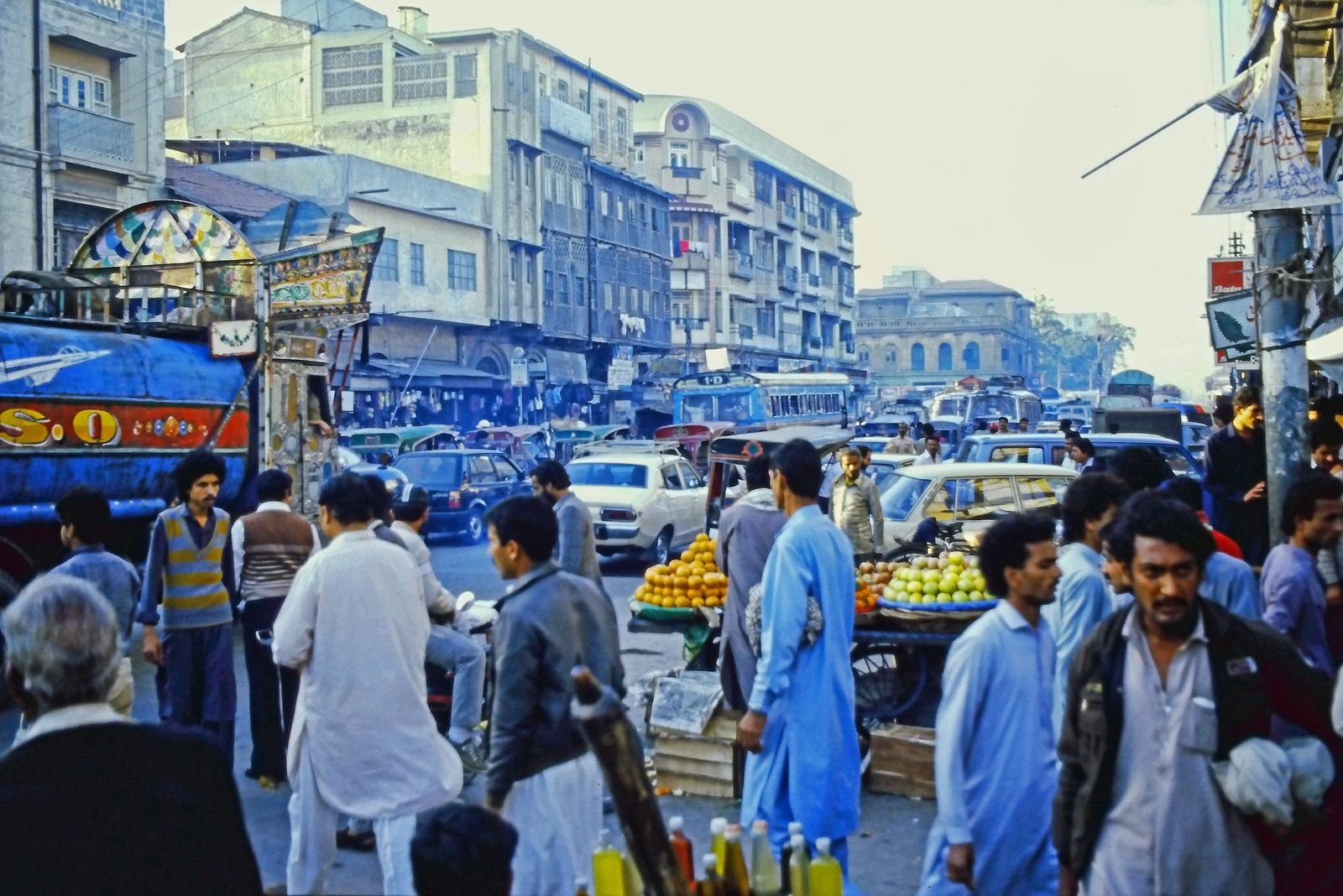
The Scale of Street Crime in Pakistan’s Cities
Start with the numbers, because they are staggering. Karachi police recorded 71,105 street crime cases in 2024. In 2025, the figure fell to 64,323. That is a 9.5 percent drop, yet it still means an average of 176 incidents every single day.
The year 2026 tells a similar story. In the first eight months, Karachi residents lost valuables worth an estimated Rs2.27 billion to street criminals. Police data shows 898 cars, 12,200 motorcycles and 12,846 mobile phones were snatched. At least 55 people were killed while resisting robbery attempts. These figures come from a Business Recorder editorial published this month.
There is some good news. In the first half of 2026, motorcycle snatching fell by nearly 34 percent compared to the same period last year. Car snatching dropped by over 28 percent. But falling numbers do not mean the streets feel safe. When tens of thousands still lose their belongings at gunpoint, the baseline itself is the scandal.
Lahore faces its own pressures. Robbery and theft remain among the most reported crimes in Punjab’s capital year after year. The pattern repeats in every large city: crowded streets, visible wealth next to deep poverty, and too few police officers to cover both.
What Poverty in Pakistan Really Looks Like
Now look at the poverty side of the ledger. The World Bank reported that poverty fell to 22.2 percent in FY2025 from 25.3 percent the year before. That sounds like progress. But the same bank, using the $4.20-a-day line for lower-middle-income countries, puts the figure at 44.7 percent. That is roughly 108 million people.
Other measures paint an even darker picture. The UNDP’s 2025 Human Development Report says 38.3 percent of Pakistanis live in multidimensional poverty. A domestic research group estimated poverty at 43.5 percent in March 2026. Around 40 million people live in extreme poverty on about $3 a day.
Meanwhile, the economic pressure keeps building. The IMF projects inflation will rise from 7.1 percent this year to 9.9 percent next year. Youth unemployment stands at 11.1 percent. For millions of families, each passing month is harder than the last.
Crime and Poverty in Pakistan: Why the Direct Link Is Weak
So is there a direct link between crime and poverty in Pakistan? In my view, the honest answer is no, not a direct one. The vast majority of poor Pakistanis never commit a crime. They work hard, they struggle, and they stay honest. Poverty alone does not turn a person into a robber.
Crime also cuts across class lines. Consider the recent NCCIA arrests in a Lahore call centre scam targeting Americans. The accused were not desperate street beggars. They ran an organized fraud operation. White-collar crime, land grabbing and corruption cost Pakistan far more than street theft ever will.
As the Business Recorder editorial put it, economic hardship can create fertile ground for criminality, but poverty cannot justify robbery or murder. I agree. Blaming poverty alone is unfair to the poor, and it is lazy as analysis.
The Indirect Links Are Real, and They Are Fixable
But here is where my opinion sharpens. While poverty does not directly cause crime, it creates the conditions in which crime grows. That distinction matters, because it points to real solutions.
First, unemployment. When 11.1 percent of young people cannot find work, idle hands drift toward easy money. Street robbery needs no degree and no reference letter. Second, inflation. When a family’s purchasing power shrinks every month, desperation rises. Desperation does not excuse crime, yet it helps explain it.
Third, rapid urbanization. Karachi absorbs hundreds of thousands of new residents each year. Many land in informal settlements with poor policing and few services. Fourth, weak enforcement. Low conviction rates mean the risk of punishment feels small to a young offender. Finally, the drug economy, which feeds both addiction and the theft that funds it.
What will not work is pretending this is only a policing problem. More checkpoints cannot fix an economy that creates too few jobs. Moral lectures will change nothing. Crime policy without economic policy is theatre.
None of this means every poor person is a criminal in waiting. It means crime and poverty in Pakistan share the same roots: joblessness, inequality and state failure. Fix the roots, and both problems shrink together.
So what should be done? In my opinion, three things matter most. Create jobs, especially for the youth bulge entering the workforce each year. Reform policing so that arrests actually lead to convictions. And expand social protection so that no family faces the kind of desperation that makes crime look rational.
The debate over crime and poverty in Pakistan will continue. But let us argue it honestly. Poverty is not a crime, and most poor people are not criminals. Yet a country that leaves 108 million people poor should not be surprised when its streets grow dangerous. The link is indirect, but it is real, and it demands action.