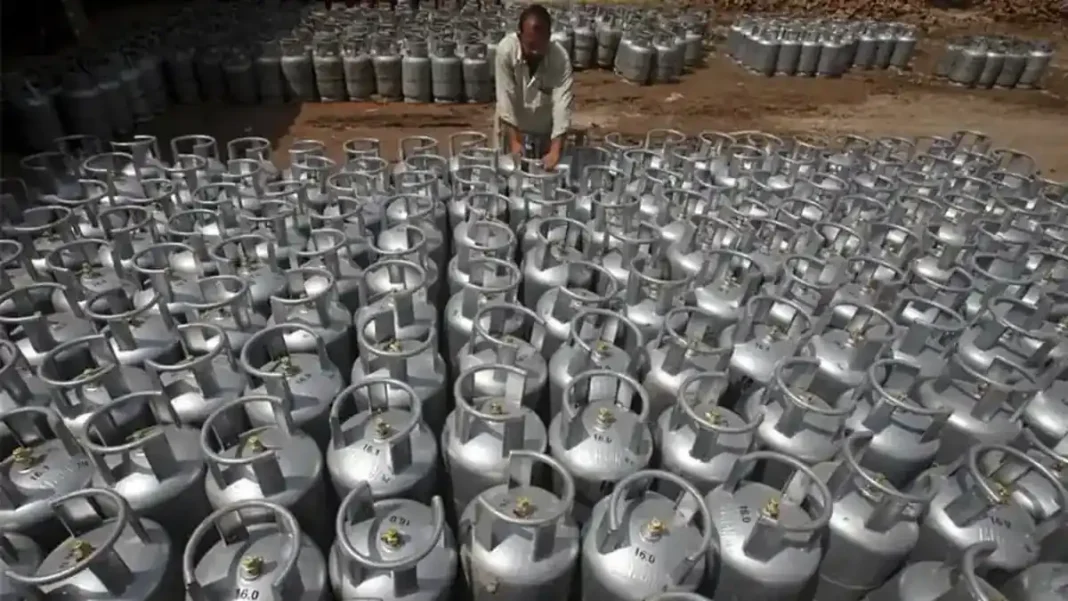
ISLAMABAD: Liquefied petroleum gas prices are surging. This follows the closure of the Rahimdad-250 border post. As a result, market stakeholders on Sunday urged the government to act. They want a shift from monthly to weekly or daily pricing, in line with petroleum products. In addition, they want rates delinked from Saudi Aramco’s Contract Price.
The demand comes ahead of winter. During this season, LPG consumption traditionally rises. Moreover, this increases the risk of hoarding and blackmarketing. Artificial price hikes are also a concern, particularly in remote and hilly areas. Stakeholders say the LPG policy has not changed for over a decade. Consequently, it no longer reflects market realities. Although prices are benchmarked to Saudi CP, supplies come from elsewhere. These include Iran, Oman, the UAE, and Iraq. Furthermore, Iranian LPG is allegedly routed through alternative sea channels.
They argue that advance monthly prices discourage imports. These prices are notified by the Oil and Gas Regulatory Authority. As a result, major state-owned enterprises avoid importing LPG. This leaves the market vulnerable to private importers. In addition, weak enforcement worsens the problem. Petroleum Minister Ali Pervaiz Malik did not respond to written queries. Similarly, ministry spokesman Zafar Abbas gave no response.
Rs100/kg jump over the weekend
The Ministry of Commerce issued memorandums on October 16. These withdrew electronic import form exemptions for Iranian imports. They also covered shipments to Central Asian Republics and Azerbaijan via Iran. As a result, supplies have been further disrupted. More than 4,500 tonnes of LPG are reportedly stranded on the Iranian side.
Mohammad Ali Haider is vice chairman of the LPG Marketing Association. He represents over 200 companies. He said prices rose by Rs100 per kilogram over the weekend. This followed the withdrawal of the trade exemption. Furthermore, he warned prices could climb further without immediate intervention.
He said no imports are currently arriving at Saudi CP-based prices. Before the war, Iranian auctioned LPG reached the border at $100-150 per tonne below Saudi CP. However, war-related insurance and freight premiums have pushed costs higher. Now they sit around $300 per tonne above CP. As a result, Ogra’s benchmark looks increasingly unrealistic.
Haider said oil prices shifted to daily adjustments after the war began. In contrast, LPG remained tied to advance monthly notifications. These are disconnected from actual costs. Consequently, major players avoid imports at notified rates. These include SSGC, SNGPL, and Pak-Arab Refinery. They fear accountability investigations.
Supply squeezed from all sides
Pakistan consumes nearly two million tonnes of LPG annually. Of this, 30 per cent is produced domestically and 70 per cent is imported. Of the 1.2 million tonnes imported, around 250,000 tonnes arrive through Port Qasim. In addition, nearly one million tonnes come through Iranian routes. These include Taftan, Mand, and Rahimdad-250. However, Taftan has been closed for nearly six months over security concerns. Meanwhile, Mand faces intermittent disruptions. As a result, reliance on Rahimdad-250 has increased.
Border disruptions have shifted pressure to Gwadar. Consequently, freight costs have jumped from $60-80 to as high as $380 per tonne. Haider alleged that manipulated freight arrangements facilitated profiteering. In addition, he cited questionable import declarations. The absence of digital tracking for tankers and distributors also helps tax evasion, he said.
He also criticised a petroleum division directive. This requires SOEs to auction LPG against signature bonuses. He argued the mechanism favoured cash-rich companies. Previously, Pakistan Petroleum Limited allocated production through transparent bidding. It offered 25 tonnes monthly to each successful bidder. However, a relatively obscure company reportedly offered a Rs220 million signature bonus for a five-tonne quota. This prompted allegations of money laundering and consumer exploitation. As a result, litigation has stalled the process.
Notably, the prime minister himself rejected the SOE LPG auction plan on October 16. This halted auctions held since August 10. It also blocked a 15 per cent price hike. Against this backdrop, the stakeholders’ latest demands are harder for the government to ignore.
The demands
Haider urged the government to review the LPG policy with stakeholders. In addition, he wants the Rs35,000-per-tonne marketing margin revised. This was fixed in 2016. He also called for digital tracking of imports and distribution. Finally, he wants daily prices published on Ogra’s website. He questioned the Rs4,690-per-tonne petroleum levy introduced in 2016. Its purpose was to cushion consumers against price shocks. However, he said it was not serving its intended purpose.
Winter demand is approaching. Meanwhile, households are already absorbing frequent petrol price revisions. The LPG daily pricing stakeholders’ case rests on a simple argument. A monthly benchmark disconnected from real costs invites shortages. In addition, it encourages hoarding and blackmarketing. Ultimately, consumers pay the price.