- Suggested slug: govt-rejects-18-imf-tax-evs-auto-policy
- Category: Business News
- Focus keyphrase: IMF tax on EVs Pakistan
- SEO title: Govt Rejects IMF Tax on EVs Pakistan, Approves Duty Cuts
- Meta description: Islamabad has rejected the IMF’s 18% sales tax proposal on EVs and approved phased customs duty cuts under the new Auto Policy 2026-31.
- Tags: IMF, electric vehicles, EV policy Pakistan, Auto Policy 2026-31, import duty, Shehbaz Sharif, hybrid vehicles
- Original element: local Pakistan angle — what the rejection and phased duty cuts mean for Pakistani EV buyers and importers, including the running-cost edge over petrol cars and contrast with the proposed 10% car levy
- Source: ProPakistani, https://propakistani.pk/2026/10/20/govt-rejects-18-imf-tax-on-evs/ (published 2026-10-20)
- Story date: Tuesday, 2026-10-20
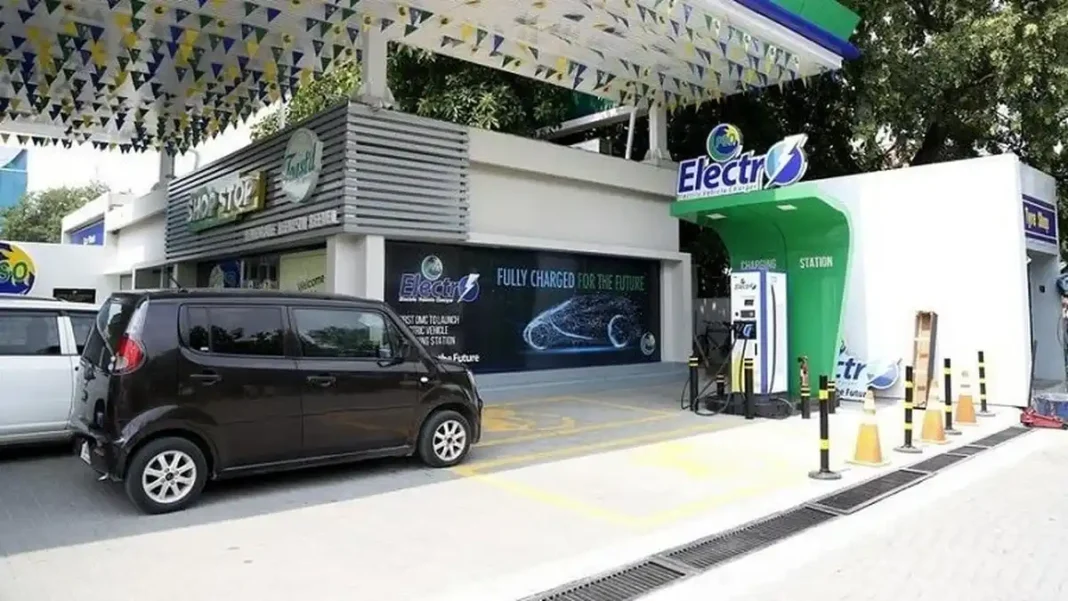
- Image note: real licensed photo of an electric vehicle charging in Pakistan; caption must carry “Image: ProPakistani”
Govt Rejects 18% IMF Sales Tax on EVs, Approves Phased Duty Cuts
The federal government has rejected an International Monetary Fund proposal to impose an 18 percent sales tax on electric vehicles, opting instead for phased cuts in customs duty on eligible imported EVs under the new Auto Policy 2026-31.
Prime Minister Shehbaz Sharif approved the draft policy on Tuesday. The six-year framework covers the period from 2026 to 2031 and aims to make electric mobility more affordable by reducing the tax burden on electric cars, rather than adding to it.
Under the proposed policy, customs duty on eligible imported electric vehicles priced up to $75,000 will fall from 50 percent to 25 percent in the first phase. A further reduction to 15 percent is planned by fiscal year 2030-31, according to sources familiar with the draft.
Relief for EV buyers and importers
The rejection of the IMF proposal is significant for Pakistani buyers. An 18 percent sales tax would have added nearly a fifth to the showroom price of every electric car, pushing EVs further out of reach for middle-class buyers and discouraging importers who have started to invest in the segment.
The phased duty cuts work in the opposite direction. An importer bringing in an eligible EV will pay half the current customs duty at the start of the policy period, with the rate dropping again in later years. For buyers, that translates into lower prices and a shorter wait for electric models that have so far remained premium purchases.
The decision also sharpens the contrast with conventional cars. The same draft policy debate recently surfaced a proposed 10 percent levy on cars, which would raise the cost of petrol and diesel vehicles. If both measures go through, buyers will face a clear price signal in favour of electric cars.
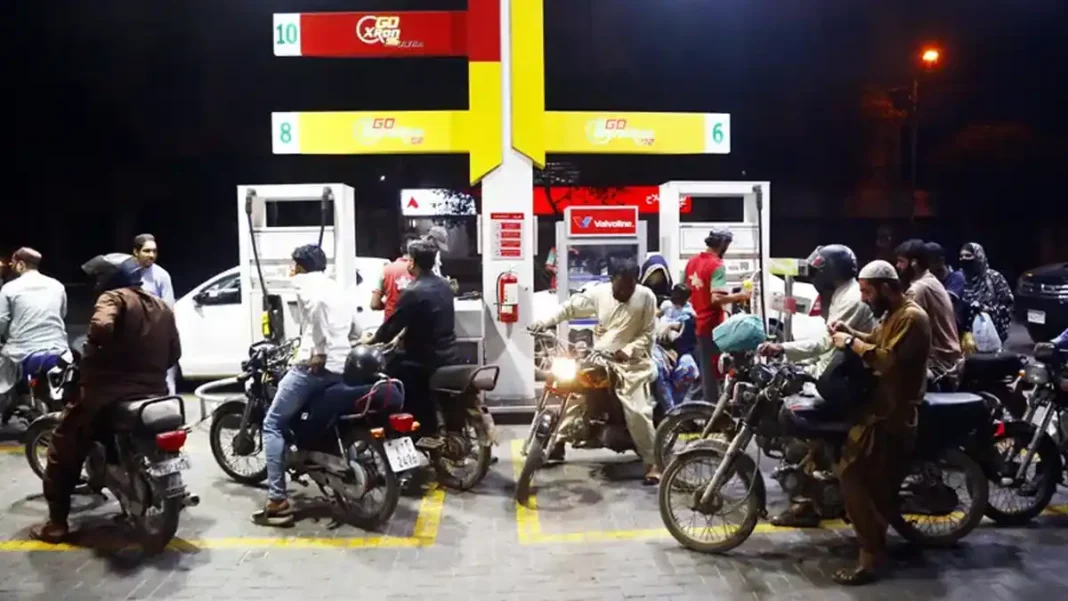
The running-cost argument adds weight. With petrol selling at Rs386 a litre after the latest price cut, the gap between fuelling a petrol car and charging an EV remains wide. Lower purchase prices plus cheaper running costs could finally move EVs beyond a niche for the wealthy in Pakistani cities.
What about hybrids and range-extended cars?
The draft policy does not treat all green vehicles equally. Sales tax of 6 percent is proposed on range-extended electric vehicles, while plug-in hybrid vehicles and other variable tax categories of alternative-energy vehicles would face 9 percent sales tax.
The tiered approach suggests the government wants to favour fully electric cars while keeping a lighter touch on vehicles that still use fuel. For buyers considering a plug-in hybrid, the 9 percent rate is still far lower than the 18 percent the IMF had proposed for EVs.
A careful line with the lender
Turning down an IMF tax proposal is never a casual step. The lender has been pressing Pakistan to widen the tax base, and rejecting its suggestion on EVs signals that the government is not willing to slow electric mobility to meet revenue targets.
At the same time, the policy keeps the door open for investment by promising duty reductions in phases, giving importers and local assemblers a predictable timeline. Sources said the reductions will be implemented gradually during the policy period, though the exact schedule has not been made public yet.
For Pakistan’s auto sector, the message is clear: the next six years will favour electric cars. Whether importers and local manufacturers respond with affordable models will decide if the policy delivers on its promise.
Frequently asked questions
Did the government reject the IMF’s proposed 18% sales tax on EVs?
Yes. The federal government turned down the IMF proposal to impose 18 percent sales tax on electric vehicles under the new Auto Policy 2026-31 and approved the draft on Tuesday.
What customs duty cuts are planned on imported electric vehicles?
Customs duty on eligible imported EVs priced up to $75,000 will be reduced from 50 percent to 25 percent initially, with a further cut to 15 percent planned by fiscal year 2030-31.
What sales tax will apply to hybrid vehicles?
The draft proposes 6 percent sales tax on range-extended electric vehicles and 9 percent on plug-in hybrid vehicles and other alternative-energy vehicle categories.