In short: Patriarchy decides early what a girl may dream and what a boy may feel. Ali Shah Aslam, writing from Hyderabad, argues it survives through everyday language, customs and expectations, and that challenging it does not mean replacing one domination with another. With Pakistan ranked last, 148th of 148 countries, in the World Economic Forum's Global Gender Gap Report 2025, he writes that equality takes freedom from no one.
Patriarchy is a social system in which men traditionally hold more power than women in families, workplaces, politics, and society. Although many societies have made progress toward gender equality, patriarchal attitudes continue to influence our daily lives, limiting freedom and opportunities for millions of people.
One of the biggest problems with patriarchy is that it imposes different expectations on men and women. Women are often expected to manage household responsibilities, sacrifice their ambitions, and obey traditional rules. Their choices about education, careers, marriage, and personal freedom may be controlled by families or society. Meanwhile, men are frequently pressured to appear strong, suppress their emotions, and become the primary providers. These expectations harm everyone, although women often face greater restrictions and disadvantages.
Patriarchy survives not only through laws and institutions but also through everyday language, customs, and beliefs. When girls are taught to be obedient while boys are encouraged to be independent, inequality begins early. Similarly, when domestic work is considered a woman's responsibility or leadership is automatically associated with men, discrimination becomes normalized.
The Pakistan Picture
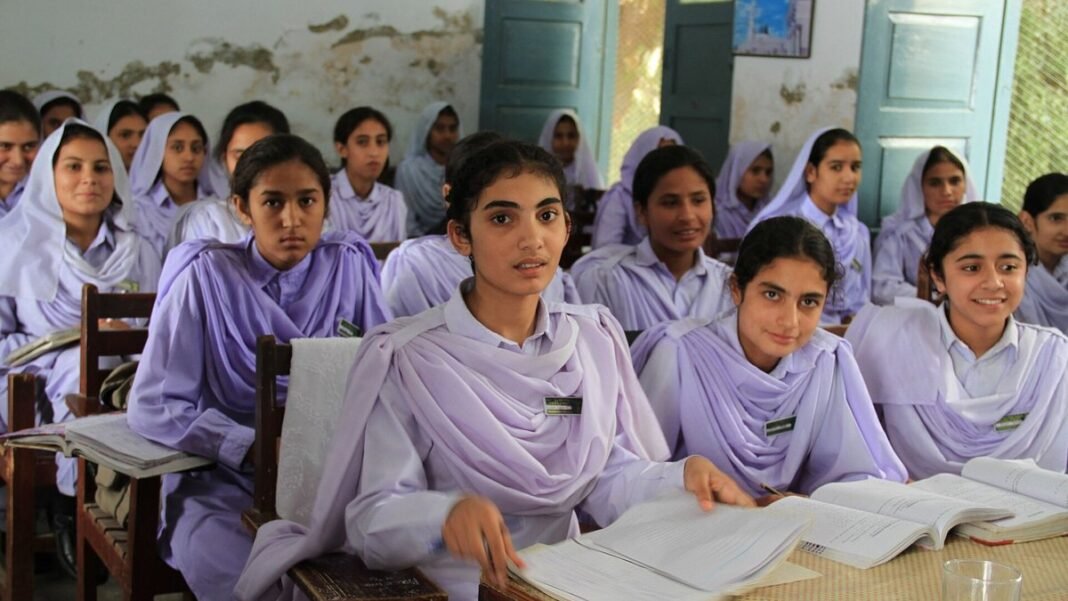
Pakistan shows how deep these patterns run. In the World Economic Forum's Global Gender Gap Report 2025, Pakistan ranked 148th out of 148 countries, the lowest position in the index, measured across economic participation, education, health and political empowerment. Behind that ranking are everyday realities this article describes: girls whose schooling ends early, women whose careers are treated as optional, and decisions about marriage and work that are made for them rather than by them.
The picture is not static. Women in Pakistan are studying, working, practising law and medicine, running businesses and representing the country in sport and public life in growing numbers. Reserved seats guarantee women a presence in the national and provincial assemblies. What lags behind achievement is the attitude around it, the assumption that leadership is naturally male and that a woman's first duty is always at home. That assumption, not ability, is what this article asks readers to question.
Change also begins in ordinary places. A father who shares housework, a teacher who calls on the quiet girl at the back of the class, an employer who judges work instead of gender: none of these makes headlines, but together they decide whether the next generation inherits the same expectations. Patriarchy survives through daily habits, and it is through daily habits that it will be undone.
Challenging patriarchy does not mean hating men or replacing male domination with female domination. It means questioning unfair power structures and creating a society in which gender does not determine someone's worth, rights, or opportunities. Men can play an important role by sharing domestic responsibilities, challenging sexist attitudes, and supporting women's independence.
Education, economic opportunities, equal legal rights, and freedom of expression are essential to this struggle. Families must encourage children to explore their interests without imposing restrictive gender roles, while institutions must address discrimination and unequal treatment.
Ultimately, opposing patriarchy is about more than women's rights; it is about human dignity and freedom. A fair society allows everyone to make choices, pursue ambitions, and live without fear of gender-based judgment. Equality does not take freedom away from anyone; it makes freedom possible for everyone.
Frequently Asked Questions
What is patriarchy?
A social system in which men traditionally hold more power than women in families, workplaces, politics and society. The article argues its attitudes still limit freedom and opportunities for millions, even where formal progress has been made.
How does patriarchy harm men as well as women?
Men are pressured to appear strong, suppress their emotions and carry the full burden of providing. Women face greater restrictions on education, careers, marriage and personal freedom, but the expectations themselves harm everyone.
Where does Pakistan stand on gender equality?
Pakistan ranked 148th out of 148 countries in the World Economic Forum's Global Gender Gap Report 2025, the lowest position in the index, which underlines how far everyday equality still has to go.
Related reading on Feature Pakistan: Why Are Women Still Denied Freedom? by Amna Pirzada and I Love Pakistan, But… by Hibah.
The views expressed in this article are the writer’s own and do not necessarily reflect the editorial policy of Feature Pakistan.