Balochistan Urea Plant Approved in $895m Deal
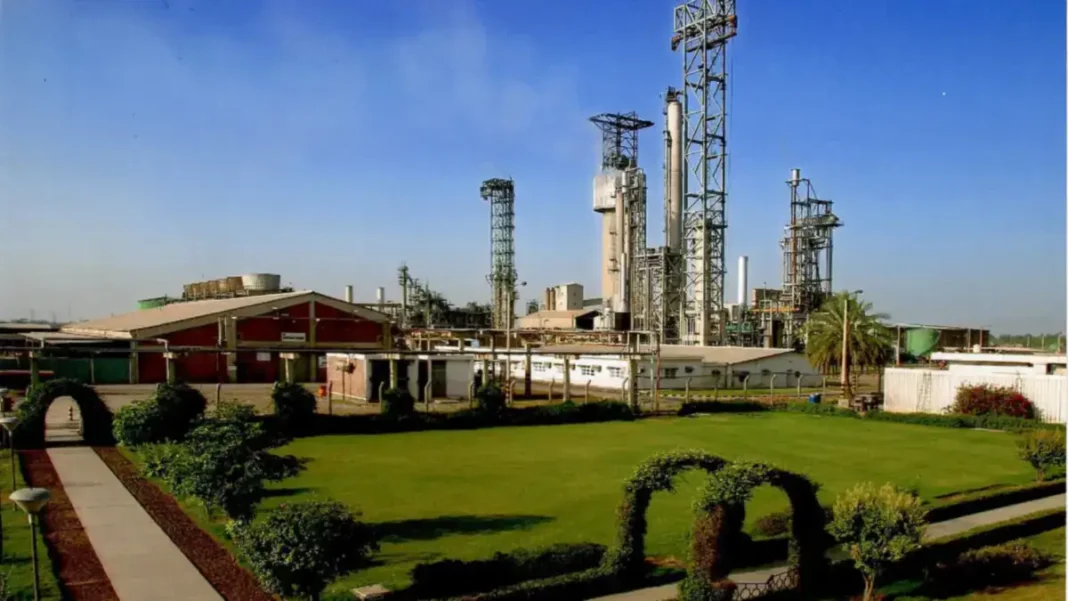
A Balochistan urea plant worth $895 million has been approved at Sui in Dera Bugti, in the largest public-private partnership deal in the province’s history and one of Pakistan’s biggest industrial partnership transactions.
The Balochistan Public-Private Partnership Board approved the project at its 10th meeting on November 17, 2026, chaired by Chief Minister Mir Sarfraz Bugti. Faraz Syed, Chief Executive Officer of the Balochistan PPP Authority, announced the decision.
The complex will produce 580,800 tons of urea a year, a fertiliser that Pakistan currently imports. The project is expected to cut imports by raising domestic fertiliser production.
Balochistan urea plant to use Sui gas
The plant will run on 100 million cubic feet per day of indigenous low-BTU gas from the Zin block, operated by Oil and Gas Development Company Limited (OGDC), at a delivered cost of $2 per MMBtu.
The complex will be built on a 496-acre site at Sui, with commercial production targeted for April 2031. The gas supply is expected to stay at plateau level until 2043, supported by estimated recoverable reserves of 912 billion standard cubic feet.
The project has an estimated net present value of $301 million, an equity internal rate of return of 25.1 percent and a projected payback period of nine years.
Saudi investors study the project
Topline Research reported that the project has also been presented to Saudi investors, who are exploring the investment opportunity. The Saudi investors could bring in a local partner, either an existing fertiliser industry player or an established business group.
The project remains at an early stage, however, and no investment agreement or partnership has been confirmed.
The Balochistan PPP Authority described the approval as a major step towards attracting large-scale industrial investment to the province. It also acknowledged the role of the Planning and Development Department, the Finance Department, the Energy Department, the Balochistan Energy Company Limited and the Balochistan Board of Investment and Trade in advancing the project.
Why the plant matters for farmers
Fertiliser sits at the centre of Pakistan’s farm economy, and shortages hit growers at sowing time. A seed and fertiliser shortage recently hit wheat sowing in Vehari, showing how quickly a supply gap reaches the field.
A domestic plant of this size would steady supply for farmers in Balochistan and beyond, and it would save foreign exchange now spent on imports. The choice of Sui also matters: the town gave Pakistan its first major gas field, and the new plant ties that gas to industry and jobs in Dera Bugti, one of the province’s least developed districts.
The gas link is part of a wider energy picture. Pakistan has been lining up winter gas supplies through LNG cargoes, while exports crossed $11.4 billion in four months and farm trade is opening new doors, including agriculture cooperation with Brazil.
What happens next
The authority must now turn the board approval into a bankable deal. That means finalising the gas supply terms with OGDC, settling the investor structure and signing construction contracts well before the April 2031 production target.
The Saudi interest will be watched closely. If a Saudi investor comes in with a local fertiliser partner, the project could move faster and bring in foreign capital. If not, Balochistan will need to find other investors for a deal of this size.
Frequently asked questions
How much will the Balochistan urea plant cost?
The complex is valued at $895 million, or about Rs250 billion, making it the largest public-private partnership project in Balochistan’s history.
Where will the urea plant be built?
The plant will be built on a 496-acre site at Sui in Dera Bugti, using gas from the Zin block operated by OGDC.
How much urea will the plant produce?
The facility will have an annual production capacity of 580,800 tons of urea, which Pakistan currently imports.
When will production start?
Commercial production is targeted for April 2031, with the gas supply expected to remain at plateau level until 2043.
Who is investing in the urea plant?
Saudi investors are exploring the investment opportunity after the project was presented to them, according to Topline Research. A Saudi investor could bring in a local partner, either an existing fertiliser industry player or an established business group. No investment agreement or partnership has been confirmed yet.