Barrick Mineral Processing Plants Eyed in Pakistan
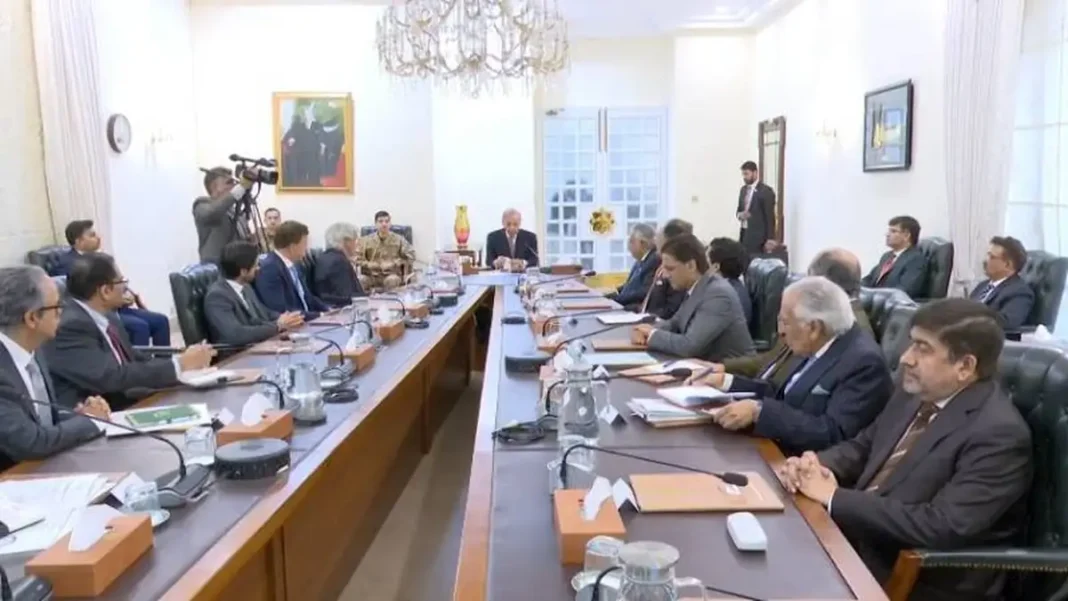
A Barrick Mining Corporation delegation has shown strong interest in building mineral processing plants in Karachi and Gwadar, after talks with Prime Minister Shehbaz Sharif in Islamabad on Friday.
The delegation, led by Barrick chairman John Thornton, met the prime minister on the second day of the Pakistan Minerals Investment Forum 2026, and a Prime Minister’s Office statement said the visitors called the forum an important step towards mineral development.
“The delegation expressed strong interest in investing in the establishment of mineral processing industries in Karachi and Gwadar,” the statement said.
The country holds large copper and gold reserves, yet it still exports most minerals in raw form. Processing them at home, in Karachi and Gwadar, would keep more of the value inside Pakistan.
Shehbaz links Reko Diq to jobs in Balochistan
The prime minister told the delegation that Pakistan was rich in natural resources and mineral wealth. He said using those resources well was the government’s top priority, so that Balochistan could develop and its people could prosper.
“Major projects such as Reko Diq will create new opportunities for employment, skills development and economic growth for the people of Balochistan,” he said.
He added that Reko Diq’s success would set a benchmark for future mineral investment, and that the government was creating a favourable environment based on trade, investment, infrastructure and modern technology.
He also said he wanted to draw on Barrick’s expertise beyond Reko Diq, and the meeting discussed the policy, regulatory and infrastructure frameworks the sector needs.
Why mineral processing matters more than mining
Reko Diq, in Balochistan’s Chagai district, is one of the world’s largest undeveloped copper and gold deposits. Dawn reported that the mine is hoped to generate $70 billion in free cash flow and $90 billion in operating cash flow over its life.
Barrick holds a 50 per cent stake in the project. Three federal state-owned enterprises hold 25 per cent between them, and the Balochistan government holds the remaining 25 per cent.
The raw numbers hide a timing problem. Barrick said in April that it would slow work on Reko Diq and review the project until mid-2027, citing security risks and the need to reassess financing, capital needs, scope and scheduling. Its results on November 9 still described the project as under review. Friday’s PMO statement announced no change to that review and gave no revised production date.
Dawn, citing government sources and industry insiders, reported that production could slip by two years to 2030, pending better security in Balochistan and a de-escalation of the Middle East crisis. The prime minister told the minerals forum on Friday that production was expected to begin in 2028.
That gap between 2028 and 2030 is the real story behind the meeting. Processing plants in Karachi and Gwadar would give the project somewhere to send its ore, and give Pakistan a reason to keep the value chain at home even if the mine starts later than planned. The prime minister made the same point at the forum, urging investors to process minerals in Pakistan rather than export them raw, and calling for downstream industries such as refineries, smelters and cable factories.
What happens next
No deal was signed on Friday, and no figure was put on the processing investment. The test will come when Barrick’s review runs its course and the government sets out the rules for processing licences, power and port access in Karachi and Gwadar.
For now, the meeting adds a second track to the Reko Diq story. The first track is the mine itself, still under review. The second is what Pakistan does with the minerals once they come out of the ground. Friday’s talks suggest the government wants both tracks to move together.
The prime minister told the same forum that Pakistan could become the world’s sixth-largest economy before 2050, bringing forward a Goldman Sachs projection of 2075. Production at Reko Diq could slip to 2030, according to government and industry sources. The minerals forum opened on Thursday with Barrick and Ivanhoe chiefs in attendance. Mari Energies has also reported a copper and gold discovery near Reko Diq in Chagai.
Frequently asked questions
What did Barrick offer to invest in?
The Barrick delegation expressed strong interest in investing in mineral processing industries in Karachi and Gwadar.
Who owns the Reko Diq project?
Barrick holds 50 per cent, three federal state-owned enterprises hold 25 per cent between them, and the Balochistan government holds the remaining 25 per cent.
When will Reko Diq start production?
The prime minister has said production is expected in 2028. Dawn reported, citing government and industry sources, that it could slip by two years to 2030. Barrick is reviewing the project until mid-2027.