Govt Extends Raast QR Payment Subsidy for Traders
The federal government will continue to subsidise merchant charges on Raast QR payments, to keep small businesses on digital payments under the Cashless Pakistan drive.
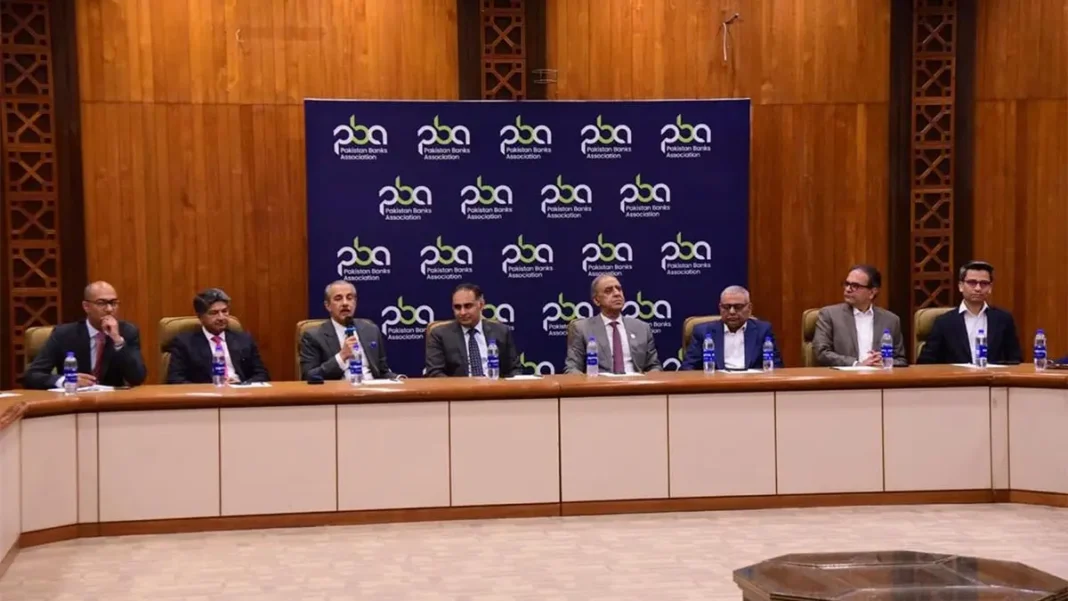
Minister of State for Finance Bilal Azhar Kayani announced the decision at a meeting with banking executives at the Pakistan Banks Association headquarters in Karachi on Friday, November 13. Officials from the State Bank of Pakistan, Raast and Karandaaz also attended.
The subsidy covers the merchant discount rate, the fee a business pays when a customer pays digitally. By paying that fee, the government removes one of the main reasons small traders give for refusing card and QR payments.
Raast QR subsidy extended on the PM’s orders
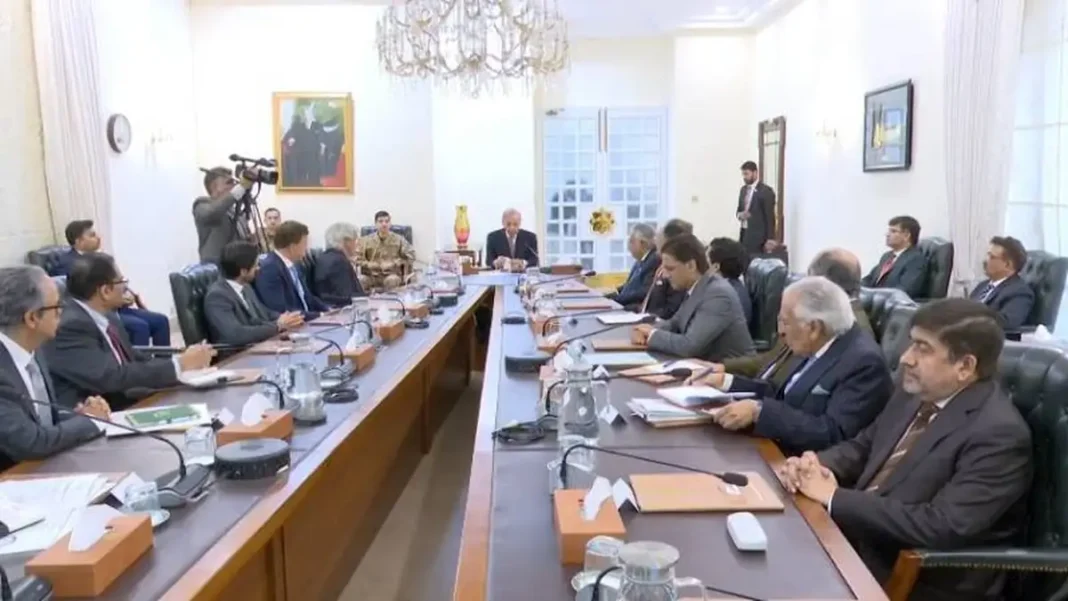
Kayani told the bankers that Prime Minister Shehbaz Sharif had decided to extend the Raast QR subsidy to maintain momentum in digital payment adoption. The meeting followed the prime minister’s review of the Cashless Pakistan plan last week.
He also briefed the executives on progress under the initiative, including the increased adoption of digital payments and the digitisation of government payments, and the targets set for the current financial year.
The State Bank has been directed to consult the banks’ chief digital officers, the chief executive of Raast and Karandaaz, and prepare recommendations for the Prime Minister’s Cashless Committee. The consultations will focus on improving the user experience across digital payment methods, particularly QR payments, and on practical measures to encourage wider adoption.
The committee is also working on new performance indicators and revised targets to speed up the digitisation of payments, and Kayani urged the banks to play a more active role in expanding digital payment use across the country.
Merchants accepting digital payments now top two million
The subsidy decision comes as the cashless drive shows rapid growth. The number of active merchants accepting digital payments has risen from 500,000 to 2.03 million under the Cashless Pakistan initiative, and the overall volume of digital payments has doubled in one year.
Raast QR codes have been placed on more than 45 million gas and electricity bills, letting households pay utility bills from home by scanning a code. From November 16, all payments for Asaan Assignment Accounts across the country will be made through the Raast system, and the drawing and disbursing officers who handle those payments have already been trained.
The State Bank has also been told to prepare a working paper for formal approval of the Raast QR merchant discount rate scheme, so that the promotion of Raast QR can continue on a settled footing. The working paper will go through the approval process while the subsidy itself continues.
Part of a wider cashless push
The Raast QR subsidy is one piece of a broader plan to move Pakistan away from cash. The government has set out a roadmap for 100 per cent digital payments, and NADRA has moved to 99 per cent digital payments for its own services.
The push also reaches into the banking system itself. Roshan Digital Account inflows have passed 14 billion dollars, showing how far digital channels have already spread among overseas Pakistanis.
For shopkeepers, the subsidy matters in a practical way. A trader who accepts a Raast QR payment does not pay the merchant fee, so there is no cost in taking a digital payment instead of cash. The government is betting that removing that cost, and putting QR codes on utility bills and government payments, will keep the number of digital merchants climbing past two million.
The next test will be whether the banks deliver the improvements the Cashless Committee has asked for, and whether the working paper for the subsidy scheme is approved without delay.
Frequently asked questions
What is the Raast QR subsidy?
It is a government payment of the merchant discount rate, the fee a business pays when a customer pays by QR code, so that traders can accept Raast QR payments without bearing the cost.
Who announced the extension?
Minister of State for Finance Bilal Azhar Kayani, at a meeting with bank presidents, chief executives and chief digital officers at the Pakistan Banks Association headquarters in Karachi on November 13.
How many merchants now accept digital payments?
Active merchants accepting digital payments have risen from 500,000 to 2.03 million under the Cashless Pakistan initiative.
What happens on November 16?
From November 16, all payments for Asaan Assignment Accounts across the country will be made through the Raast digital system instead of by cheque.
What is the State Bank doing next?
The State Bank will prepare a working paper for formal approval of the Raast QR merchant discount rate scheme, and consult banks, Raast and Karandaaz on recommendations for the Prime Minister’s Cashless Committee.