Bilawal Warns Iran-US Dialogue Collapse Could Widen War
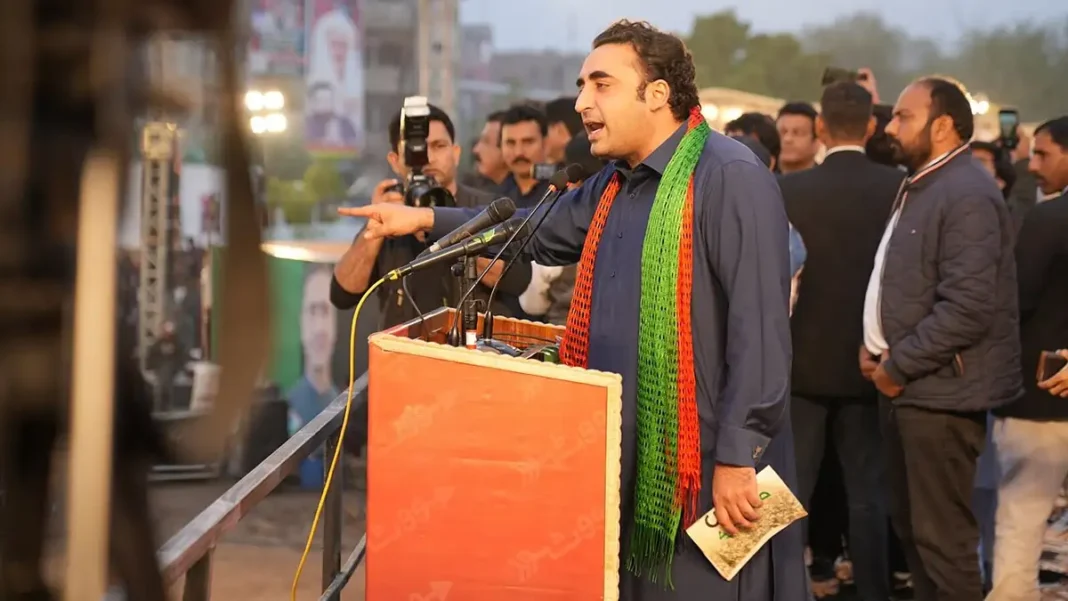
PPP Chairman Bilawal Bhutto-Zardari has warned that the Iran-US dialogue could collapse and the conflict could spread beyond its current limits. He said Pakistan remained optimistic that both sides would reach a settlement soon.
Bilawal gave the warning in an interview with TRT World. If the dialogue falls apart, he said, the conflict would worsen, spread and ferment, and would not stay confined to its present shape.
“As far as the potential risk for escalation, I think that has been a consistent theme. If this dialogue process falls apart, the concern is that this conflict would exacerbate, it would spread, it would ferment, and it wouldn’t be confined to what it is right now. So, this is why we all hope that the peace process is successful,” he said.
“As far as the peace process between Iran and the United States is concerned, Pakistan has played a key role in achieving the initial ceasefire and sustaining a dialogue between the two conflicting parties. At the moment, Islamabad’s role is still very active in the process,” Bilawal said.
Pakistan’s role in the Iran-US dialogue
Bilawal said he hoped the dispute would be settled soon.
“Everybody is paying the price of this war, at the pump, at the grocery store, in inflation,” he said. He added that the conflict was hitting economic growth, jobs and poverty levels.
His remarks followed Deputy Prime Minister Ishaq Dar’s statement that an early agreement between Washington and Tehran was in sight. Dar said Islamabad kept urging both sides to honour their commitments. President Donald Trump has also said he wants a permanent deal with Iran to stop it building nuclear arms.
On the US midterm elections, Bilawal said the American public had opposed further conflicts, above all wars in the Middle East.
Expanding the Makkah pact to the GCC
Bilawal called the defence cooperation between Pakistan, Saudi Arabia and Turkiye a historic step. He wanted it extended to other regional states, above all the Gulf Cooperation Council members.
The Makkah Defence Alliance was set up under an agreement signed by Turkish President Recep Tayyip Erdogan, Saudi Crown Prince Mohammed bin Salman and Prime Minister Shehbaz Sharif in Makkah on August 7. Under the pact, an armed attack on any one of the three states counts as an attack on all three.
“This is a historic development, the cooperation between Saudi Arabia, Pakistan and Turkey as of now,” Bilawal said. He credited Shehbaz Sharif, Chief of Defence Forces and Chief of Army Staff Field Marshal Asim Munir, and the Pakistani leadership with acting at a time of regional crisis.
He said the pact was not aimed at any one country, but existed for collective defence and to meet new security challenges.
“I certainly personally would like to see this sort of cooperation expand to include more countries, the GCC as a whole, other countries within the GCC,” he said.
Pakistan, Saudi Arabia and Turkiye signed the Makkah defence pact in August, and Turkiye has since published the pact as law.
Bilawal said closer cooperation had become vital as terrorism, artificial intelligence and drone warfare changed the security picture.
Weapons left in Afghanistan
Bilawal also warned about the weapons left behind after the US withdrawal from Afghanistan, calling the withdrawal devastating. He said advanced arms had flooded black markets. Terrorist groups in Afghanistan were using those arms, and they had spilt over into Pakistan, driving a sharp rise in attacks.
He said some groups held arms more advanced than the police sent to confront them. The groups kept operating from safe havens in Afghanistan, and Kabul either lacked the capacity or the will to deal with them. Pakistan was bearing the brunt for now, he said, but the effects would not stay confined to Pakistan.
Why this matters for Pakistan
The warning lands as the US-Iran war drags on, with Iranian strikes already hitting US positions in Bahrain and Houthi missiles fired at Riyadh. For Pakistan, a wider war would mean dearer fuel and food.
Bilawal’s push to bring the GCC into the Makkah pact points to a bigger Pakistani aim: a regional security setup built around Muslim states rather than one power alone. Pakistan and Iran are separately close to a free trade deal.
Frequently asked questions
What did Bilawal say about the Iran-US dialogue?
He warned that if the dialogue falls apart, the conflict would worsen and spread, and would not stay confined to its present shape. He said Pakistan remained optimistic about a settlement.
What is the Makkah Defence Alliance?
It is a defence pact signed by Pakistan, Saudi Arabia and Turkiye in Makkah on August 7, under which an armed attack on one member counts as an attack on all three. Bilawal wants it extended to the GCC.
What did Bilawal say about the US midterm elections?
He said the American public had consistently opposed further conflicts, particularly wars in the Middle East. He said President Donald Trump had campaigned on a message of peace and ending unnecessary conflicts, and the midterm results reflected public opposition to continued hostilities.
What did Bilawal warn about weapons left in Afghanistan?
He called the US withdrawal devastating, saying advanced arms left behind had flooded black markets. Terrorist groups in Afghanistan were using those arms, and they had spilt over into Pakistan, driving a sharp rise in attacks. Some groups held arms more advanced than the police sent to confront them.
What did Bilawal say about Israel’s role in the peace process?
He said Israel had been viewed by many as a spoiler that wanted perpetual conflict in the region. He said there was a perception that instability in the Middle East was not necessarily considered a negative development by the Israeli government, although he hoped that assessment was incorrect. He was sceptical that a new Israeli government would necessarily bring a major change in policy.