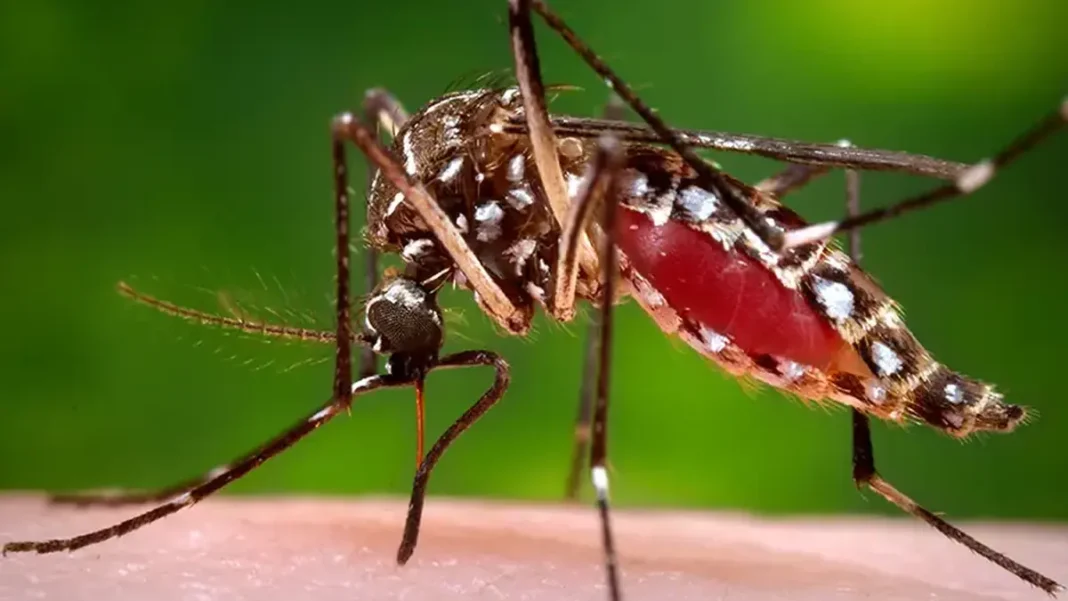
Pakistan dengue cases are climbing sharply in Khyber-Pakhtunkhwa, where 3,771 cases and two deaths have been reported so far, while Islamabad has logged 42 cases since January and intensified its surveillance drive.
An important high-level meeting chaired by KP Governor Faisal Karim Kundi reviewed the dengue situation in the province on Saturday. The meeting assessed measures to prevent further spread and evaluated the overall anti-dengue response.
Pakistan dengue cases: Kohat worst hit as KP orders emergency steps
According to the briefing given to the governor, District Kohat remains the worst-affected area, accounting for 2,319 of the confirmed cases. Officials informed the meeting that climate change, unplanned growth of urban populations, poor sanitation conditions, electricity load-shedding and several other contributing factors are facilitating the spread of dengue.
Advisor for Health Lieutenant General (retd) Nigar Johar, the Secretary Health and other senior officials of relevant departments attended the meeting. Officials gave the governor a detailed briefing on the latest dengue statistics, the implementation status of the anti-dengue action plan, the functioning of the reporting and surveillance system, and other steps being taken to contain the disease.
A comprehensive action plan has been prepared to combat the disease. The plan clearly assigns responsibilities to all relevant departments and district administrations. Steps are under way to further strengthen the reporting and surveillance system so cases can be detected and monitored in time.
An awareness campaign is being conducted with the support of the departments concerned to educate the public about dengue prevention and control. To handle any emergency, isolation wards with a total capacity of 1,666 beds have been established across the province.
Governor Kundi directed the Kohat district administration to take effective measures on an emergency basis to bring the outbreak under control and to keep him continuously informed of progress. He further instructed that immediate and effective steps be taken in other affected districts as well, in close coordination with the respective district administrations.
The governor emphasised that the resources required by district administrations for an effective anti-dengue campaign must be provided on a priority basis so the spread of the epidemic can be checked and the public protected.
Islamabad: 42 cases, 382,000 surveillance visits
In the federal capital, the District Health Office has intensified dengue surveillance after 42 cases were reported since January. Authorities are focusing particularly on identifying hotspots and high-risk areas.
According to the latest surveillance data, 32 of the reported cases were detected in rural areas, while 10 were reported from urban areas between Jan 1 and Oct 16.
Anti-dengue teams conducted 382,452 surveillance and control activities across Islamabad during October. The operations included indoor and outdoor surveillance, visits to identified hotspots, larval-source surveillance and community awareness campaigns.
Officials said the teams identified and eliminated 7,669 sites with mosquito larvae during the operations. As part of the hotspot surveillance campaign, teams visited 10,084 locations, while indoor vector-surveillance teams inspected 72,305 houses to identify possible breeding sites.
The District Health Office said continuous field surveillance, timely identification and elimination of mosquito-breeding sites, and regular monitoring of hotspots were essential to keeping dengue transmission under control. It urged residents to cooperate with anti-dengue teams and take preventive measures at home and work. Citizens have been advised to keep water containers, rooftops, yards and other potential mosquito-breeding sites clean and free of stagnant water.
The contrast is instructive. KP is fighting a full outbreak with thousands of cases, emergency directives and 1,666 isolation beds on standby. Islamabad, with only 42 cases, is running one of the most intensive prevention campaigns in the country, with more than 380,000 surveillance visits in a single month. Both responses point to the same lesson: stagnant water and poor sanitation remain the decisive battleground.
Health coverage on Feature Pakistan includes WHO’s healthy cities programme, the national mental health survey, healthy diet affordability, and Khyber Teaching Hospital’s first kidney transplant.
Sources: Dawn, The Express Tribune
How many dengue cases has KP reported?
A total of 3,771 dengue cases have been reported across KP, with two deaths attributed to the disease. District Kohat is the worst affected with 2,319 confirmed cases.
What did the KP governor order?
Governor Faisal Karim Kundi directed the Kohat district administration to take emergency measures to control the outbreak, ordered action in other affected districts, and said resources for the anti-dengue campaign must be provided on priority.
How many cases has Islamabad reported?
Islamabad has reported 42 dengue cases since January, with 32 in rural areas and 10 in urban areas between Jan 1 and Oct 16.
What is being done to control dengue?
Anti-dengue teams in Islamabad conducted 382,452 surveillance activities in October and eliminated 7,669 larval sites, while KP set up isolation wards with 1,666 beds and launched a province-wide awareness campaign.