Knowing how to control blood pressure in winter helps you stay healthy through the coldest months. Mayo Clinic explains that low temperatures narrow blood vessels and push readings higher. For example, many people see winter numbers rise even when they take their medicine regularly. These ten practical tips help you act early and stay in control.
The American Heart Association defines normal blood pressure as below 120/80 and hypertension from 130/80. As a result, a small winter rise can move borderline readings into the high range. These ten tips show how to control blood pressure in winter safely and practically.
How to Control Blood Pressure in Winter Through Warmth
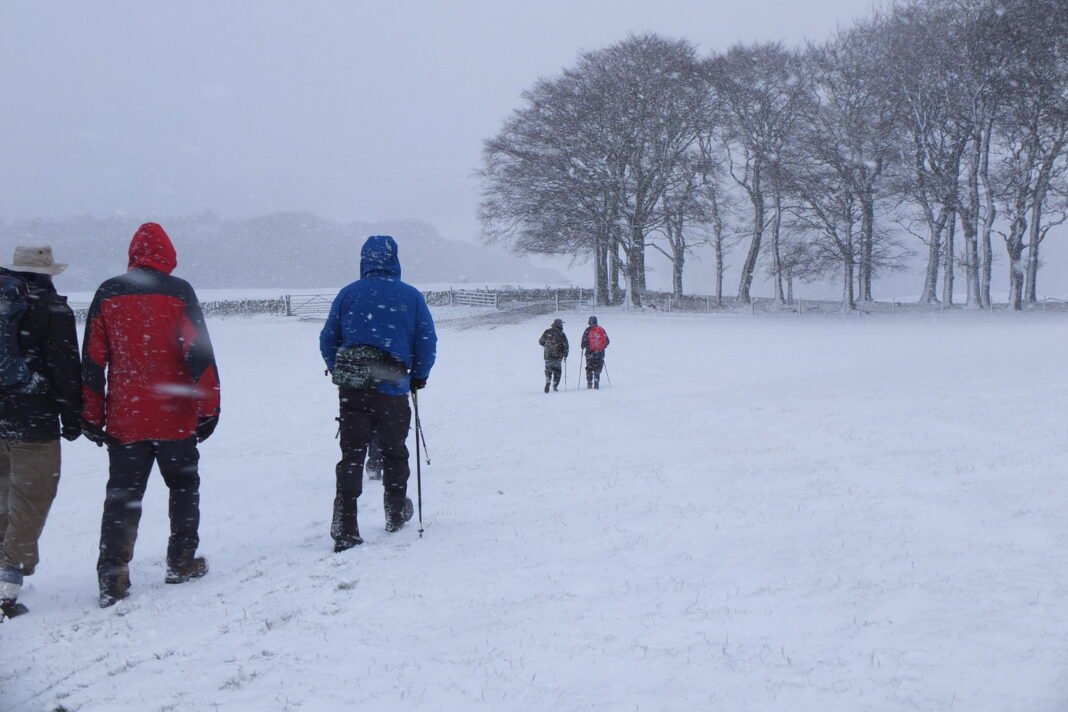
Cold air forces your body to conserve heat, so blood vessels tighten and pressure climbs. However, you can blunt this effect by dressing warmly every time you step outside. Cover your head and hands, because the body loses heat quickly from these areas. In addition, keep your home warm enough to stay comfortable without a heavy coat.
Layers work better than one thick garment, so choose a base layer, a sweater, and a windproof jacket. Moreover, warm drinks and warm meals can help you feel comfortable on freezing days.
Heavy outdoor work strains the heart, so take it slow when shoveling snow. In addition, take frequent breaks and watch for chest pain or dizziness. If you feel unwell, stop at once and rest indoors until you recover.
Stay Active and Eat Well
Cold months make many people skip exercise, and inactivity can raise blood pressure. Instead, aim for indoor activity such as brisk walking on stairs, dancing, or bodyweight exercises. For example, two ten-minute sessions of marching in place add up to real daily movement.
Salt intake often climbs in winter, so read labels and flavor food with herbs and lemon. Moreover, potassium-rich foods like bananas, beans, spinach, and oranges support healthy pressure. In addition, eat filling meals to avoid the extra snacking that winter evenings invite.
People drink less water in cold weather, but mild dehydration can affect pressure. Moreover, keep a water bottle nearby and sip through the day.
How to Control Blood Pressure in Winter With Monitoring and Medicine
Never skip your blood pressure medicine, even when you feel fine on mild winter days. Cold weather can mask symptoms, so take every dose on schedule as your doctor prescribed. Mayo Clinic advises patients not to change doses without talking to their healthcare team.
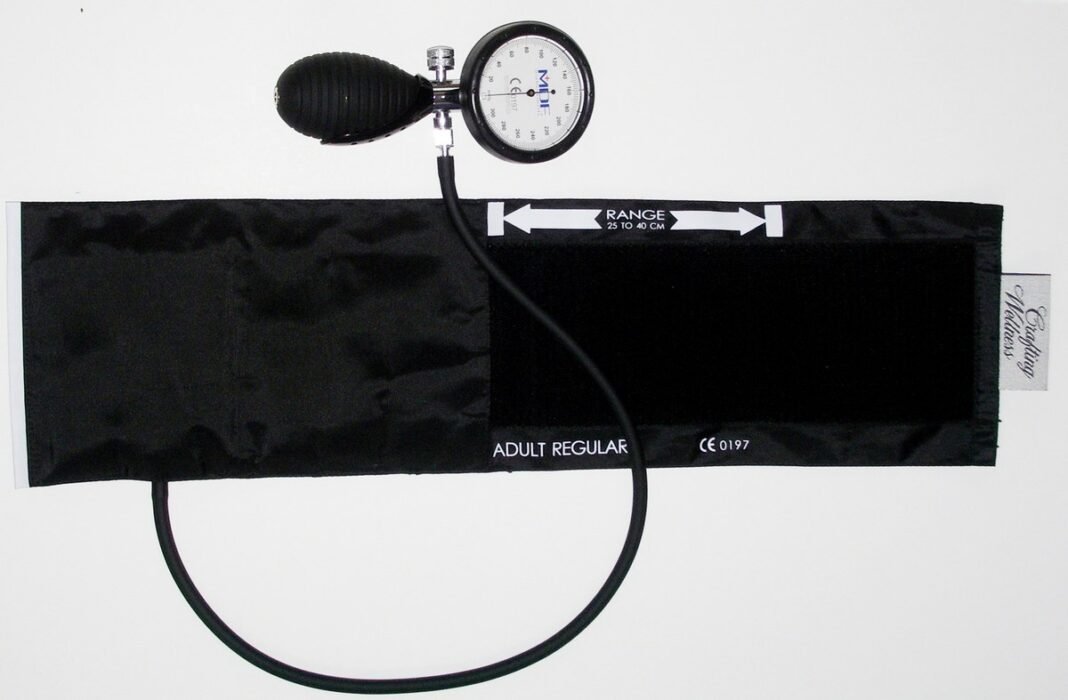
Home monitoring shows how to control blood pressure in winter more clearly than one clinic visit. Measure at the same time each morning, sit quietly for five minutes, and write down each reading. Consequently, you and your doctor can spot winter patterns and adjust your plan early.
If a reading looks high, rest for five minutes and measure again calmly. However, seek urgent care for very high readings with chest pain or trouble breathing. In addition, bring your home log to every appointment for better guidance.
Cold weather stiffens joints too; our guide explains why joints hurt more in cold weather.
Limit Alcohol, Manage Stress, and Sleep Better
Alcohol can raise blood pressure, and holiday drinking often rises with the winter season. However, you can protect your heart by keeping drinks moderate or skipping them entirely. For example, alternate each alcoholic drink with a full glass of water.
Short days and holiday stress can disturb sleep, and poor sleep raises pressure. Meanwhile, a calm bedtime routine helps your body wind down and rest deeply. Try ten minutes of deep breathing or gentle stretching before bed each night.
Talk to your doctor about your winter readings, especially if they climb steadily. Moreover, ask whether your dose needs a seasonal review before the coldest months arrive. Knowing how to control blood pressure in winter gives you confidence, not fear, all season.