FAO Says Over 60% of Pakistanis Cannot Afford a Healthy Diet
More than 60 per cent of Pakistanis cannot afford a healthy diet, the UN’s Food and Agriculture Organisation (FAO) has found in a new assessment of Pakistan’s food supply. The agency’s latest report calls for an urgent overhaul of the country’s agrifood system to improve access to nutritious food.
What the FAO Pakistan healthy diet assessment found
The assessment, titled “Food Supply for Healthy Diets in Pakistan”, found a persistent mismatch between the food available in the country and what people need to eat under the national food-based dietary guidelines.
“Enabling access to healthy diets for all is essential to achieving Pakistan’s national development priorities. Yet over 60 per cent of Pakistanis cannot afford a healthy diet, contributing to the high rates of malnutrition across the country,” the assessment said.
It added that diet-related non-communicable diseases are rising while various forms of undernutrition persist, noting that unhealthy diets are a common cause of all forms of malnutrition.
Where the food gaps are
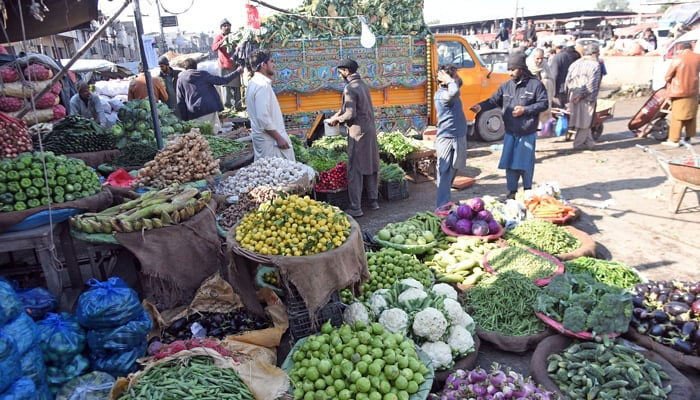
The FAO found large gaps for several nutritious food groups, particularly vegetables, roots and tubers, fruits, and legumes and pulses.
At the same time, the supply of staples and sugar exceeds what is needed for healthy diets, the assessment said. This imbalance reinforces cereal-heavy eating patterns, limits dietary diversity and adds to the burden of diet-related disease.
“Enabling equitable access to diverse, nutritious, safe, and affordable foods that support healthy diets is a policy imperative for Pakistan,” the assessment said.
What the FAO wants done
The agency listed priority actions for the government. These include consumer-focused policies to build demand for healthy diets, updating Pakistan’s dietary guidelines to reflect nutrition, health and environmental priorities, and using them in nutrition education.
It also recommended taxes on sugar-sweetened beverages and foods high in sugar, salt and unhealthy fats, front-of-pack nutrition labelling, restrictions on marketing unhealthy food to children, expanded school meal programmes and stronger social protection.
On the supply side, the FAO urged support for growing more vegetables, fruits, pulses, roots and tubers across the country, backing milk production in some regions, and incentives for food processors to meet safety standards and cut salt, sugar and unhealthy fats in their products.
Investments in storage, cold chains and market infrastructure would cut food losses and improve retail food environments, the assessment added.
A crisis wider than hunger
The findings land against a grim nutrition backdrop. UN agencies have separately reported that Pakistan ranks 106th out of 123 countries on the Global Hunger Index, with about 40 per cent of children under five stunted and widespread deficiencies of iron, zinc and vitamin A among women and children.
What is the FAO’s “Food Supply for Healthy Diets” assessment?
It is the UN food agency’s review of whether Pakistan’s food supply matches what its people need for a healthy diet under the country’s 2018 national food-based dietary guidelines.
Which foods are in shortest supply?
Vegetables, roots and tubers, fruits, and legumes and pulses show the largest gaps, while staples and sugar are oversupplied.
What policy steps did the FAO recommend?
Taxes on sugary drinks and unhealthy foods, front-of-pack labelling, curbs on marketing to children, bigger school meal programmes, stronger social protection, and investment in cold chains and market infrastructure.