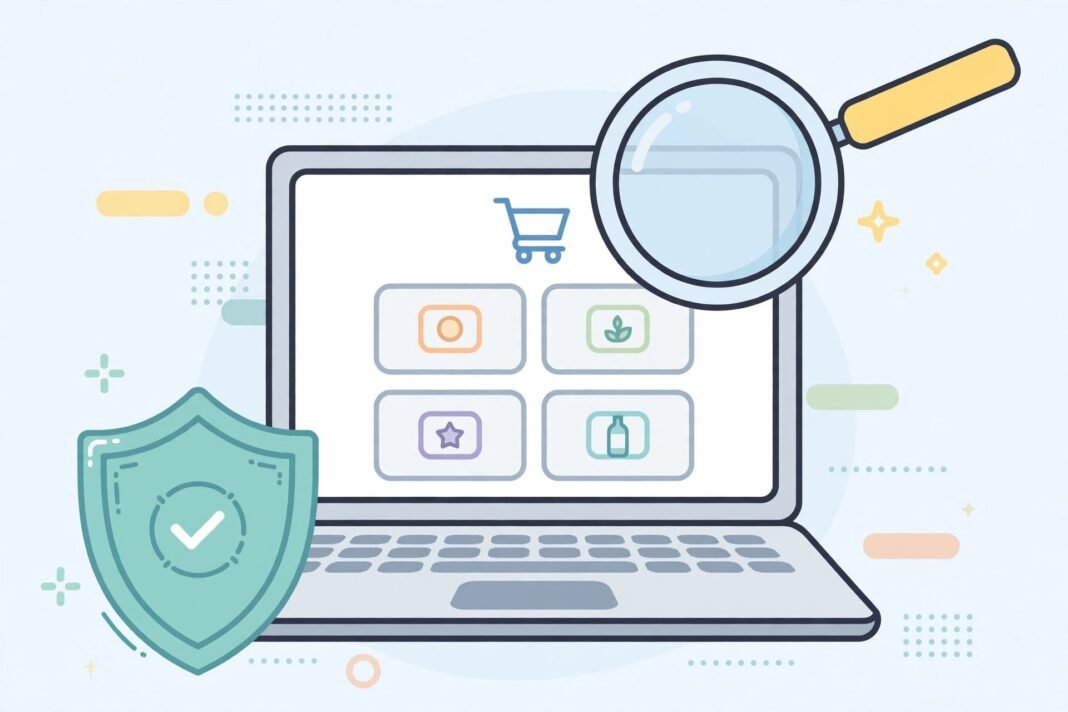
You find a new shop online selling beautiful shoes at half price. The photos look lovely, and the page looks neat and professional. So you pay, and then you wait. Days pass, but nothing ever arrives. Worse, the shop stops answering your messages completely. Sadly, fake shopping websites copy real shops so well that even careful buyers get fooled. However, you can protect yourself with a few simple checks. In fact, most fake shops fail these checks within minutes. This guide walks you through each check in order, so you can shop with confidence.
How fake shopping websites trick you
Fake shops rarely build anything new from scratch. Instead, they copy photos, logos and page layouts from real brands. Then they add heavy discounts to create a feeling of urgency. For example, a ticking countdown timer pushes you to pay fast. As a result, you skip the checks you would normally do. In addition, many fake shops advertise heavily on social media. Their adverts target people who love a good bargain. Meanwhile, the real brand knows nothing about this sale. Above all, remember that a pretty page proves nothing at all. Anyone can build a good-looking page in a single evening. Moreover, their pages often vanish within weeks, leaving buyers with no way to complain or claim a refund. These tricks belong to the same family as other online scams targeting women and families, so the same care protects you everywhere online.
Check any shop step by step before you pay
Work through this list in order before you pay any new shop. Each check takes less than a minute. Together, they catch almost every fake shop.
- Read the web address carefully. Look at every letter in the address bar before you pay. Fake addresses often add extra letters, swap letters, or use strange endings. For example, one added letter can quietly send you to a copy of a real shop.
- Look for a real contact page. A real shop lists an email address, a phone number and a physical address. However, a simple contact form on its own is a weak sign. Genuine shops also explain how returns and refunds work.
- Question prices that look too good. If every single item costs far less than everywhere else, slow down. In fact, real shops rarely discount everything heavily at the same time. Deep discounts on every product usually signal a trap.
- Study the photos and the reviews. Copied photos often look blurry, stretched or oddly cropped. Also, fake reviews tend to repeat the same words again and again. For instance, five reviews may all praise “great quality, fast delivery” in the same style.
Finish the last checks before you pay
- Check how old the site and its social pages are. A shop that appeared last week deserves extra care. Meanwhile, real shops usually show months or years of posts and customer comments. New pages with few followers and no history are a warning sign.
- Choose a safer way to pay. Never pay by direct bank transfer into a personal account when safer options exist. Instead, pick a payment method that lets you dispute the charge later. A real business account also looks very different from a personal one.
- Search the shop name plus the word scam. Before you order, search the shop name together with “scam” or “reviews”. Other buyers often warn people after a bad experience. Consequently, one quick search can save your whole order.
- Start with a small order. Finally, test a new shop with one low-cost item first. Wait for it to arrive and check the quality carefully. Only then should you trust the shop with a bigger order.
At first, these checks may feel slow and a little boring. However, they soon become a quick habit before every order. In addition, they work for shops you find through adverts, messages or search results. A careful minute today protects your money tomorrow.
Already paid a fake shop? Act fast
Do not panic if you have already paid a fake shop. Instead, move quickly, because fast action improves your chances greatly. First, contact your bank and explain what happened. Ask the bank to dispute the payment or block further charges. Next, keep screenshots of the order page, your payment proof and every message. In addition, save the exact web address of the shop. Then report the page on the social platform where you saw the advert. Also, if you created an account on that shop, change that password everywhere else you used it. After a scam purchase, it also helps to check whether your password has leaked online, so you can update it before criminals try it elsewhere. However, act within days rather than weeks, because payment disputes usually have time limits.
Quick questions about fake shopping websites
Can a shop with good reviews still be fake? Yes, it can. Fake shops copy or invent reviews, so you should still check the address and contact details yourself.
Is paying on delivery safer? Usually, yes. You hand over money only when the parcel arrives at your door. Still, you should check the parcel before paying whenever the courier allows it.
Should I trust a shop that a friend shared? Not automatically, no. Friends often share adverts without checking the shop behind them. Therefore, run the same checks yourself before you order anything.
Shopping online should feel fun, never risky or stressful. With these simple checks, you can spot most fake shops within minutes. Have you ever paid a shop that never sent your order? Tell us what happened in the comments, because your story may protect another reader.