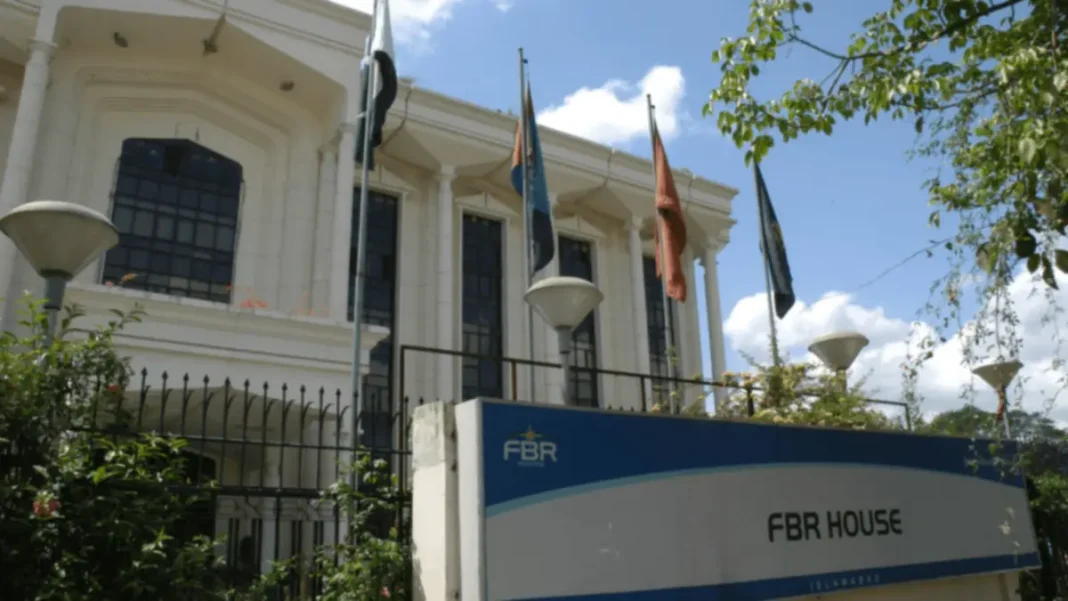
FBR Active Taxpayer List Reaches 8.012 Million
Pakistan’s FBR active taxpayer list has grown to 8.012 million people, after the Federal Board of Revenue added 1.602 million names over the past year.
The updated list was published on the FBR website on Friday, November 27. It shows a 25 percent increase from the 6.410 million active taxpayers recorded during the same period last year.
The new list also brings compliant taxpayers from Azad Jammu and Kashmir (AJK) and Gilgit-Baltistan (GB) onto the federal list for the first time. Their names now appear alongside taxpayers from the rest of the country.
FBR active taxpayer list: what changed
The Federal Board of Revenue updates its Active Taxpayer List, known as the ATL, to record people who have filed their income tax returns and met their obligations. The list is the official record of who counts as an active taxpayer in Pakistan.
The latest update added 1.602 million names in twelve months. That took the total from 6.410 million to 8.012 million, a rise of one quarter.
The change follows the legal framework for the two regions. Under Section 181A of the Income Tax Ordinance, 2001, people on the active taxpayer lists maintained by the AJK Central Board of Revenue and the Gilgit-Baltistan Council Board of Revenue are eligible for inclusion in the federal list.
The Finance Act 2018 recognised the AJK list as equivalent to the federal income tax list. The FBR has now incorporated eligible taxpayers from both regions into its updated records.
Why the list matters for taxpayers
Being on the active taxpayer list affects what people pay in withholding tax. Banks, property transactions and vehicle purchases all carry higher withholding rates for people who are not on the list, so ATL status has a direct effect on everyday costs.
The list also serves as proof of tax compliance. Businesses and individuals use it to verify a person’s status before financial and commercial transactions.
The FBR has been pressing more people into the tax net. It has widened its checks on returns, and FBR income tax returns now face computerised checks designed to catch under-reporting.
The authority has also softened some of the penalties for late filing. The FBR ATL surcharge was waived for late filers in 2026, giving people who missed the deadline a route back onto the list without the extra charge.
A wider tax base, but a long way to go
The 25 percent rise is substantial, but the total still covers a small share of Pakistan’s population of more than 240 million. Most working adults remain outside the income tax system, so widening the tax base remains the central task for the FBR.
The inclusion of AJK and GB taxpayers is a step in that direction. It brings two regions that were previously recorded separately into the federal system, and it adds their compliant taxpayers to the national count.
Other tax measures have moved in parallel. The government revived a Rs25 billion oil windfall tax on refineries this month, and the FBR revised property rates in Islamabad and Abbottabad to bring valuations closer to market prices.
Savers have also seen changes. National Savings profit rates were revised for November, which affects the return on the government’s savings schemes that many taxpayers use.
The FBR will update the list again as more returns are filed. People who filed late can still appear on it once their returns are processed and the surcharge rules are applied.
Frequently asked questions
How many people are on the FBR active taxpayer list?
The list carries 8.012 million names as of November 27, 2026, up from 6.410 million a year earlier.
How many taxpayers were added in the past year?
The FBR added 1.602 million active taxpayers over the past year, a rise of 25 percent.
Are taxpayers from AJK and Gilgit-Baltistan included?
Yes. The updated list includes compliant taxpayers from Azad Jammu and Kashmir and Gilgit-Baltistan for the first time.
What law covers the inclusion of AJK and GB taxpayers?
Section 181A of the Income Tax Ordinance, 2001, makes people on the AJK and Gilgit-Baltistan active taxpayer lists eligible for the federal list.
Why does being on the ATL matter?
People on the list pay lower withholding tax rates on banking, property and vehicle transactions, and the list serves as proof of tax compliance.