Flood in Pakistan — causes, history and the 2026 situation. Why Pakistan floods, the rivers involved, and what’s being done about it.
Quick answer: Floods in Pakistan are driven by monsoon rains (July–September), glacial melt, deforestation and poor planning. 2026 monsoon: 185 dead, 521 injured (NDMA). The worst: 2022 (1,739 dead, $30bn damage). Rivers: Indus, Chenab, Ravi, Sutlej, Kabul.
In this guide
Causes
Monsoon rains (70–80% of annual rainfall, July–September) · glacial melt & GLOFs in GB · deforestation · construction on floodplains · blocked urban drainage · climate change intensifying all of the above.
The Rivers
Indus (the lifeline), Chenab, Ravi, Sutlej (eastern rivers — the 2026 flood carriers), Kabul (KP). Barrages and headworks (Marala, Trimmu, Balloki, Guddu) regulate flows — and fail under extremes.
2026 Situation
26 June–mid-September: 185 dead, 521 injured, 1,716 houses damaged. Affected: GB, AJK, KP, Punjab, Balochistan, Islamabad. Monsoon now over; rivers normalising.
History
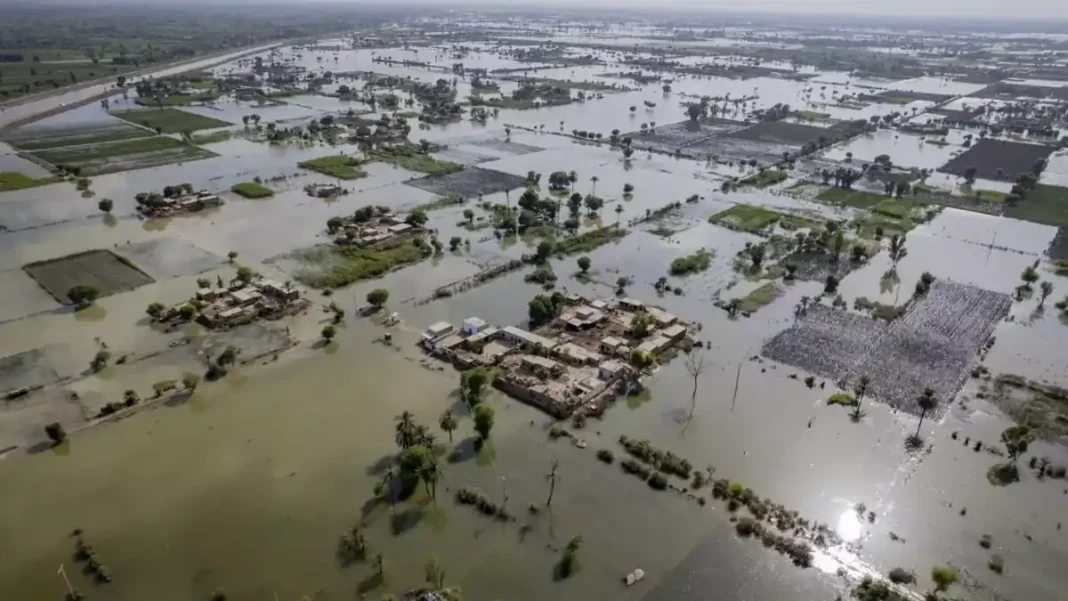
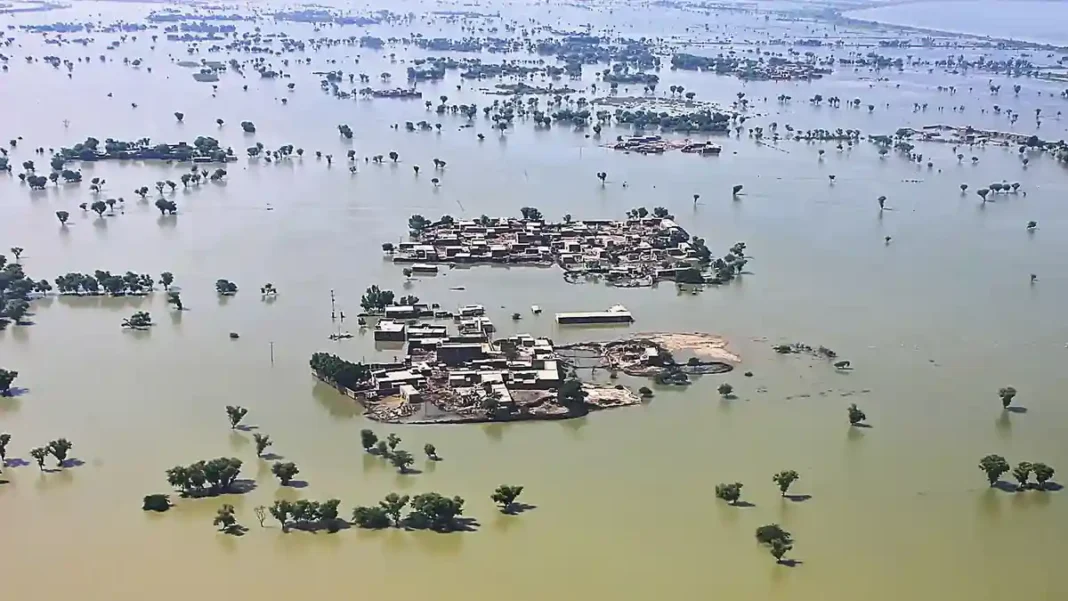
2022: 1,739 dead, one-third of Pakistan submerged, $30bn damage. 2010: ~2,000 dead, 20 million affected. 2025: 300+ dead. Full hub: our flood in Pakistan pillar.
Why does Pakistan flood every year?
Monsoon geography + climate change + deforestation + floodplain construction + weak drainage — a structural problem, not bad luck.
Which river causes the most floods in Pakistan?
The Indus system collectively — but eastern rivers (Chenab, Ravi, Sutlej) drove the worst recent flooding in Punjab.
Related Flood Guides