Karachi University Admission Quotas Face Scrutiny
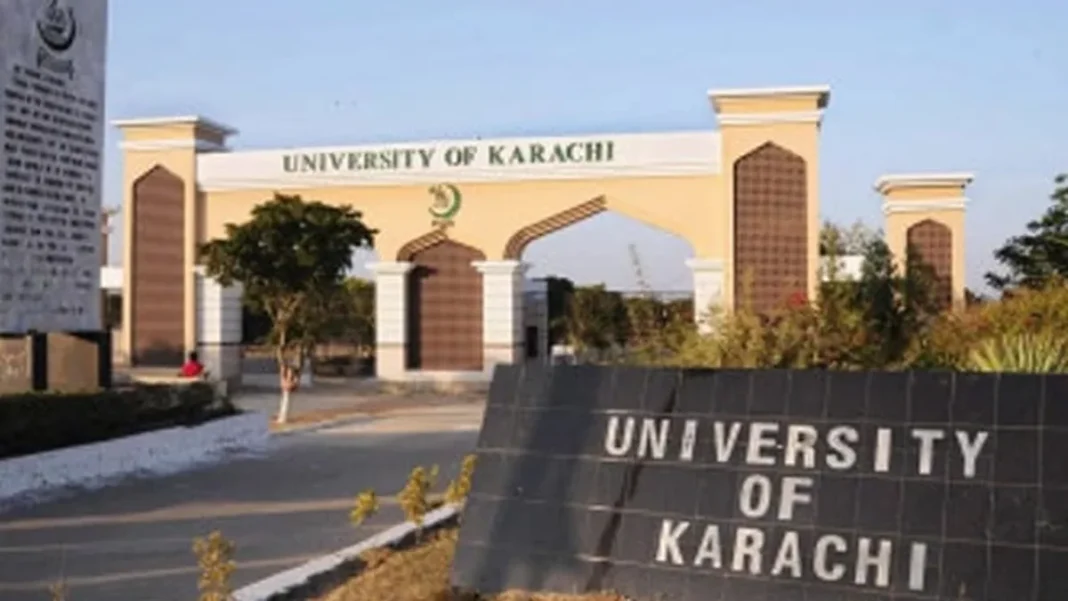
Karachi University admission quotas are under pressure from a growing social media campaign, and the row has triggered a wider debate in Sindh’s academic circles. Educationists are asking why the university alone is being asked to abandon a policy that other public universities in the province also follow.
Karachi University admission quotas are now the centre of a dispute that goes beyond one institution. The question being asked is whether students from Karachi enjoy unrestricted access to public universities elsewhere in Sindh, or whether those institutions apply their own district-based preferences and quotas.
Admission policies obtained by The Express Tribune show that several public universities in Sindh give preference to applicants from their own cities or districts before considering candidates from elsewhere in the province for the remaining seats.
Karachi University admission quotas: the numbers
For the 2026 session, 1,815 students from districts outside Karachi were offered admission to four-year BS programmes in December 2025. Of these, 1,018 enrolled in the first year, against a total intake of 9,691. Students from other districts already studying in the second, third and fourth years are additional.
The current pressure, however, relates specifically to admissions in the university’s Law Department. The report notes that Dean of Law Barrister Sarfraz Mitlo, appointed by the Sindh chief minister as the university’s controlling authority, has himself publicly questioned the admission policy approved by the university’s Academic Council. His remarks triggered debate over the issue on social media.
That gives the row an unusual shape. The man questioning the policy is the university’s own law dean and the chief minister’s appointee as controlling authority, challenging a policy approved by the Academic Council itself. The disagreement is inside the institution as well as outside it.
Karachi students face limits elsewhere
The comparison is the heart of the debate. If Karachi students face tight limits elsewhere in Sindh, asking the University of Karachi alone to drop its quotas would leave the imbalance in place, only reversed.
| University | Seats for Karachi students | Total seats |
|---|---|---|
| Government College University Hyderabad | 42 | 1,335 |
| Mehran University of Engineering and Technology, Jamshoro | 20 | 953 |
| Quaid-e-Awam University | 19 | 674 |
| University of Sindh, Jamshoro | 14 | 986 |
| Liaquat University of Medical and Health Sciences | 10 | Not stated |
| People’s University of Medical and Health Sciences for Women | 10 | Not stated |
Benazir Bhutto Shaheed University Lyari is more restrictive still. Under its governing Act, 50 per cent of seats are reserved for students from four Karachi districts: Keamari, Lyari, Gadap and Malir. The rest are open to students from other Karachi districts and across Sindh, and the provision stands unless the Act is amended.
The pattern is consistent. Universities across Sindh reserve most seats for their own districts and cities, and offer Karachi students few places. The University of Karachi, by contrast, admitted more than 1,800 students from outside the city to its BS programmes in a single session.
What the quotas are for
Admission quotas in Sindh’s public universities are meant to spread opportunity across districts. A university funded by the province serves students from the whole province, not only from the city where it stands. District quotas give students from smaller towns a fair chance against applicants from large cities with better schools and coaching.
The campaign against the University of Karachi’s quotas argues the other way: that a university in Karachi should serve Karachi students first. The counter-argument, now being made by educationists, is that the same logic applies everywhere. If Karachi’s university must open its doors without limits, then universities in Hyderabad, Jamshoro and Nawabshah should do the same for Karachi students.
Neither side has won the argument yet. The figures show the current system protects local students at every university in the province, so any change at one would raise the same question at all the others.
Frequently asked questions
Why is the University of Karachi facing pressure over admission quotas?
A social media campaign is pressing the university to scrap its admission quotas and categories, with the pressure focused on admissions in the Law Department.
How many out-of-district students did KU admit?
For the 2026 session, 1,815 students from outside Karachi were offered admission to four-year BS programmes in December 2025; 1,018 enrolled in the first year, against a total intake of 9,691.
Do other Sindh universities also use quotas?
Yes. Several public universities give preference to applicants from their own cities or districts. Government College University Hyderabad offers Karachi students 42 of 1,335 seats, Mehran University 20 of 953, and the University of Sindh 14 of 986.
Who questioned the University of Karachi’s admission policy?
Barrister Sarfraz Mitlo, Dean of Law and the Sindh chief minister’s appointee as the university’s controlling authority, publicly questioned the policy approved by the Academic Council.