Rawalpindi Water Shortage: Wasa, RCCI Discuss Fix
The Rawalpindi water shortage, worsening groundwater depletion and recurring urban flooding were on the table as the Water and Sanitation Agency (Wasa) met the Rawalpindi Chamber of Commerce and Industry (RCCI) to discuss the city’s municipal challenges.
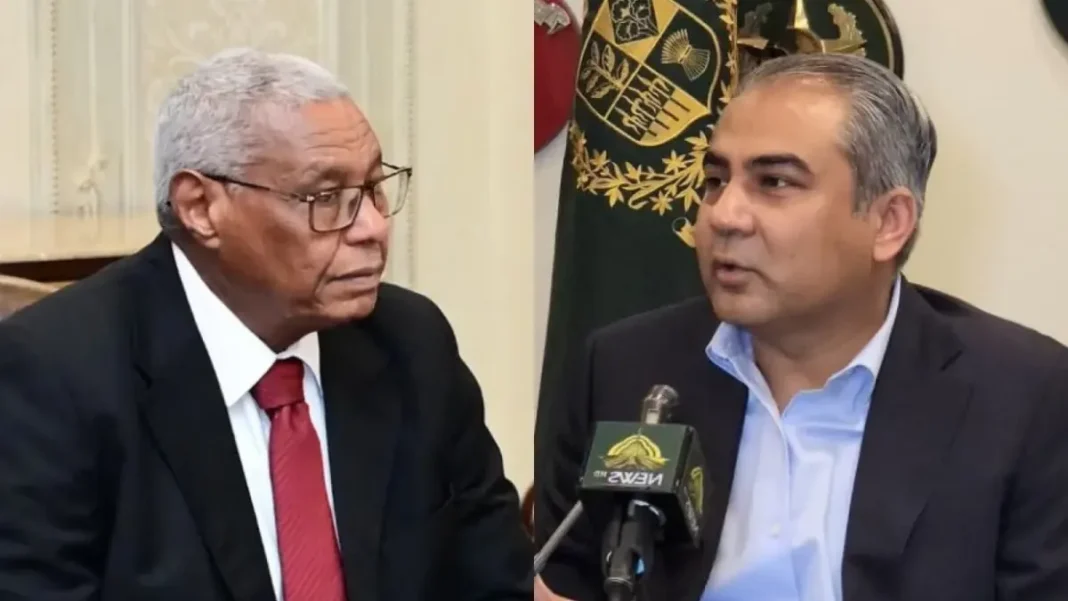
Wasa officials met RCCI office-bearers on Thursday to discuss the water shortage, urban flooding and ongoing municipal problems. The meeting was attended by RCCI President Nosherwan Khalil Khan and Wasa Managing Director Azizullah Khan.
The Wasa chief gave a detailed presentation on the authority’s operational capacity, development projects, future water requirements and strategies for improving municipal services. He told participants that Wasa serves about 1.8 million people across a 90-square-kilometre service area, operating around 500 tube wells and managing an extensive water supply and sewerage network.
The scale of the task is clear from those figures alone. Nearly two million people depend on a network built around 500 tube wells, and the city faces a substantial water supply deficit, increasing groundwater depletion, rising operational costs and growing demand driven by rapid urbanisation.
Rawalpindi water shortage: dams and a Rs8.8bn plan
The presentation set out major initiatives aimed at closing the gap. They include water supply projects based on the Chahan and Dadhocha dams, proposed augmentation through the Cherah Dam, and additional resources from the Indus River.
The Asian Development Bank-funded Dreams-I project, worth about US$225 million, is also supporting water supply improvements, infrastructure expansion and solarisation initiatives in Rawalpindi.
Wasa officials also briefed participants on ongoing Punjab Development Programme projects. These involve the replacement of 106 kilometres of old water supply lines, the installation of tube wells, the construction of reservoirs, and the development of sewerage and drainage infrastructure. The combined water supply and sewerage development programme represents an investment exceeding Rs8.8 billion.
The direction of the plan is plain: move Rawalpindi away from its heavy dependence on groundwater and toward surface water from dams, while replacing the oldest pipes in the network. Groundwater depletion is the problem that makes the shift urgent. Every year the water table falls further, tube wells must go deeper, and pumping costs rise.
Traders raise flooding and billing concerns
RCCI president Nosherwan Khalil Khan emphasised that uninterrupted water supply and efficient sanitation services are essential for businesses, markets and commercial activities. He urged Wasa to address concerns about sanitation charges, improve water availability in commercial areas, upgrade existing tube wells and ensure transparent billing mechanisms.
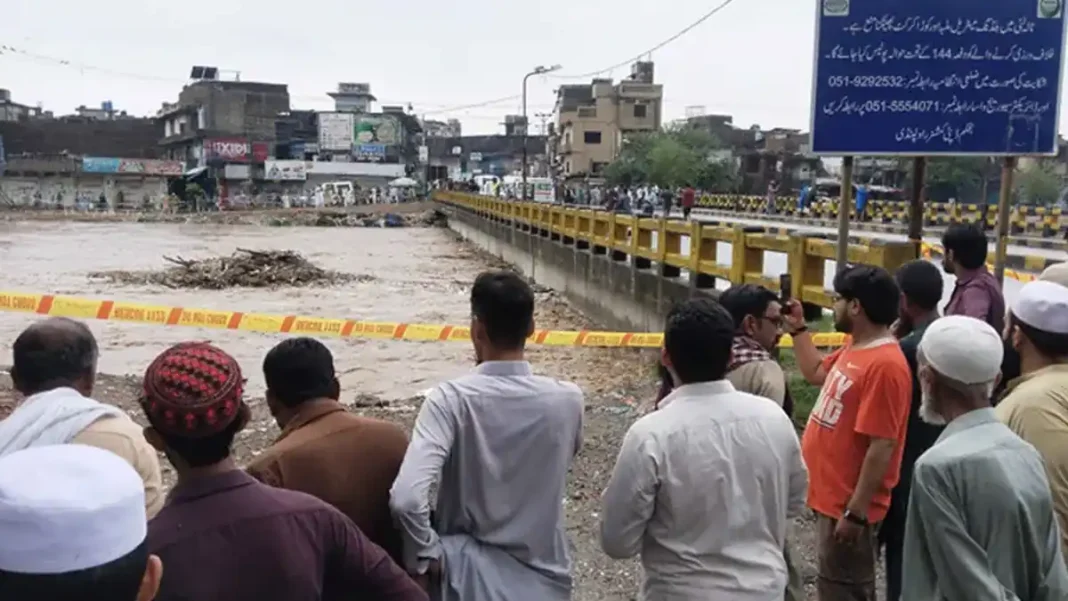
Expressing serious concern over recurring urban flooding, he stressed the need for effective drainage, timely desilting of Leh Nullah and its tributaries, and preventive measures to protect businesses and livelihoods during monsoon rains.
Participants also raised concerns about tanker supply, groundwater depletion, infrastructure deficiencies and the need to control unauthorised water distribution.
The flooding concern is not abstract. Leh Nullah runs through the heart of Rawalpindi, and heavy monsoon rain regularly turns it into a threat to homes and shops along its banks. The nullah has been the focus of earlier civic action, including a crackdown on dumping in Nullah Leh. Desilting the nullah and its tributaries before the rains is one of the few preventive measures that can be taken in advance, and traders raise it every year because the cost of failure falls directly on their businesses.
The meeting ended without new announcements, but with the scale of the work now on the record: 1.8 million people served, 500 tube wells, 106 kilometres of pipe to replace, and more than Rs8.8 billion of projects under way. The question for residents is how fast the dam projects and the pipe replacement turn into water at the tap.
Frequently asked questions
How many people does Wasa serve in Rawalpindi?
Wasa serves about 1.8 million people across a 90-square-kilometre service area, operating around 500 tube wells and an extensive water supply and sewerage network.
What is being done about Rawalpindi’s water shortage?
Major initiatives include water supply projects based on the Chahan and Dadhocha dams, proposed augmentation through the Cherah Dam, additional resources from the Indus River, and the ADB-funded Dreams-I project worth about US$225 million.
How much is being invested in water and sewerage works?
The combined water supply and sewerage development programme represents an investment exceeding Rs8.8 billion, including the replacement of 106 kilometres of old water supply lines.
What did traders ask Wasa to fix?
RCCI urged Wasa to address sanitation charges, improve water availability in commercial areas, upgrade tube wells, ensure transparent billing, improve drainage, desilt Leh Nullah and its tributaries on time, and control unauthorised water distribution.