Pakistan Marble Policy 2026-29 to Modernise Industry
Pakistan is drafting a Marble Policy 2026-29 to cut waste in stone mining, bring modern machines and methods into quarries and factories, and lift exports of marble and granite. The adviser to the prime minister on industries and production, Haroon Akhtar Khan, said consultations on the policy would finish within four weeks, after which the government would move to put it into practice.
Haroon chaired a meeting with representatives of the Marble Association in Islamabad on Wednesday, 18 November. The meeting also brought together Rana Ihsan Afzaal, coordinator to the prime minister for industries and production and commerce, the chief executives of the Pakistan Stone Development Company (PASDEC) and the National Productivity Organization (NPO), the additional secretary for industries, and industry representatives. The state-run Associated Press of Pakistan reported the details of the meeting.
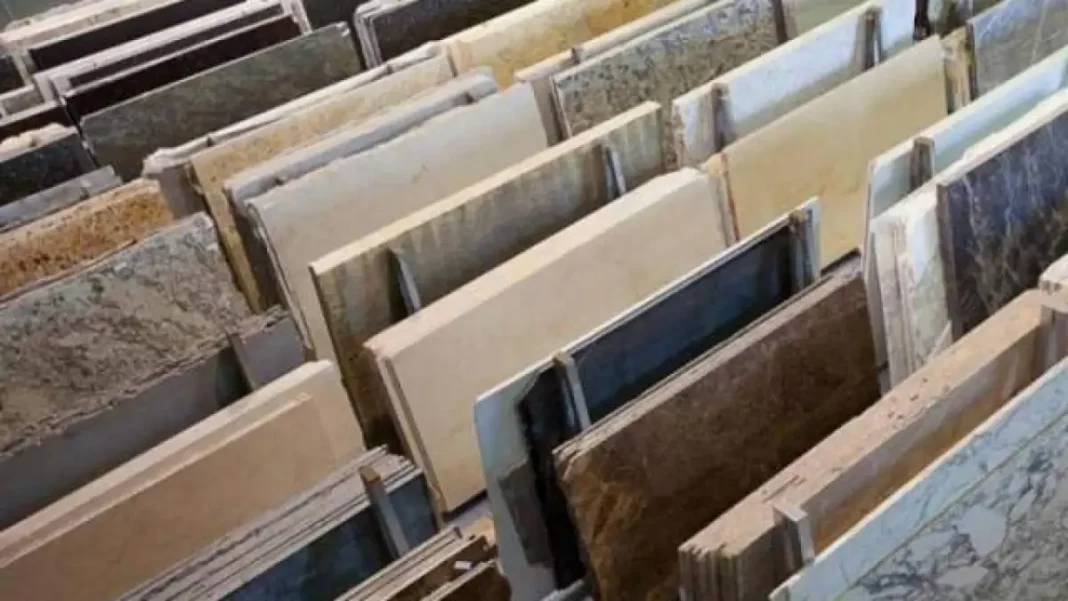
The policy will cover the full chain, from quarrying and extraction to processing, finishing, polishing and export. Haroon said the aim is to make the sector globally competitive through advanced technology and value addition, not raw stone sold at low prices.
What the Marble Policy 2026-29 will cover
The draft policy looks at every stage of the trade: how mines should be worked, how stone should be cut and finished, and how finished goods should reach buyers at home and abroad. It will also deal with the roads, rail links and port facilities needed to move raw blocks and finished slabs.
Haroon said Pakistan holds large reserves of marble and granite, with room for investment, industrial growth and export earnings. But the country must shift to scientific mining, modern processing and production standards that meet the demands of international buyers.
“Our priority is to prevent the wastage of valuable raw materials, introduce modern mining techniques and improve the overall quality and productivity of the industry,” he said.
Cutting wastage at the quarry
Wastage is the central problem the policy sets out to fix. Conventional blasting, still common in many quarries, cracks and damages blocks before they reach the factory floor. Past industry assessments have put the loss as high as 60 to 70 per cent where orthodox methods are used.
The policy will push mechanised mining, better cutting equipment and trained staff. Haroon also pointed to the need for quality testing laboratories and certification facilities, so that buyers abroad can trust the grade and finish of Pakistani stone.
Small and medium firms will get attention too. The adviser said these units should get easier access to finance, modern machinery and new technology, and he urged them to use export finance schemes for projects with strong export potential.
Italian experts and the export push
The policy also looks outward. Haroon said Pakistan needs closer links with international buyers, investors and technology providers to widen market access for its marble and granite.
Italian experts are due to visit Pakistan to study the industry at first hand. They will tour mining and processing centres to judge the sector’s capacity, its technology needs and its investment prospects. Italy leads the world in stone processing, and the visit follows earlier contact on the same subject.
The government is also weighing an international marble exhibition in Pakistan, which would bring miners, processors, exporters, buyers and investors together. A committee of stakeholders from across the value chain has one week to submit workable proposals for the event.
Why the policy matters for Pakistan
The marble policy is part of a wider push to earn more from Pakistan’s mineral wealth. Karachi is already set to host the country’s first Marble City, a 300-acre stone park near the Northern Bypass backed by about $250 million in investment. It will give processors a dedicated place to cut, finish and export stone. The Pakistan Minerals Investment Forum in Islamabad drew 60 nations, and Sindh has opened its mineral sector to investors.
The same week, the government started work on shifting Thar coal mining from diesel to grid power, a move expected to save $25 million to $30 million a year. An agreement between Ivanhoe Mines and Mari Energies added a foreign partner to the mining sector. The logic is the same: better technology, more value from rock Pakistan already owns.
Exports will decide whether the policy works. The government has already approved a restructuring of the Trade Development Authority of Pakistan to sharpen export promotion, and finished marble earns far more abroad than raw blocks. If the policy delivers modern quarries, certified quality and reliable supply, Pakistani stone can win orders that now go abroad.
The test will come in the next four weeks, when consultations close and the draft goes to the government for approval. Industry representatives have been asked to send joint recommendations, and Haroon has promised that every workable proposal will be weighed for the final policy.
Frequently asked questions
What is the Marble Policy 2026-29?
It is a government policy being drafted to modernise Pakistan’s marble and granite industry, covering mining, processing, finishing, infrastructure and exports.
When will the policy be finalised?
Consultations with the industry are due to finish within four weeks of the 18 November meeting, after which the government will move to the implementation phase.
Why does Pakistan need a marble policy?
Much of the stone is lost through old blasting and cutting methods, and most exports leave as raw blocks. The policy aims to cut that waste, raise quality and sell more finished stone abroad.
Who is drawing up the policy?
The Industries and Production Division, led by Adviser Haroon Akhtar Khan, is drafting it with the Marble Association, PASDEC, the National Productivity Organization and other stakeholders.
What is the Marble Expo proposal?
The government plans an international marble exhibition in Pakistan for miners, processors, exporters, buyers and investors. A stakeholder committee has one week to submit proposals for it.