Thar Coal Diesel Savings of Rs25m a Day from Grid Power
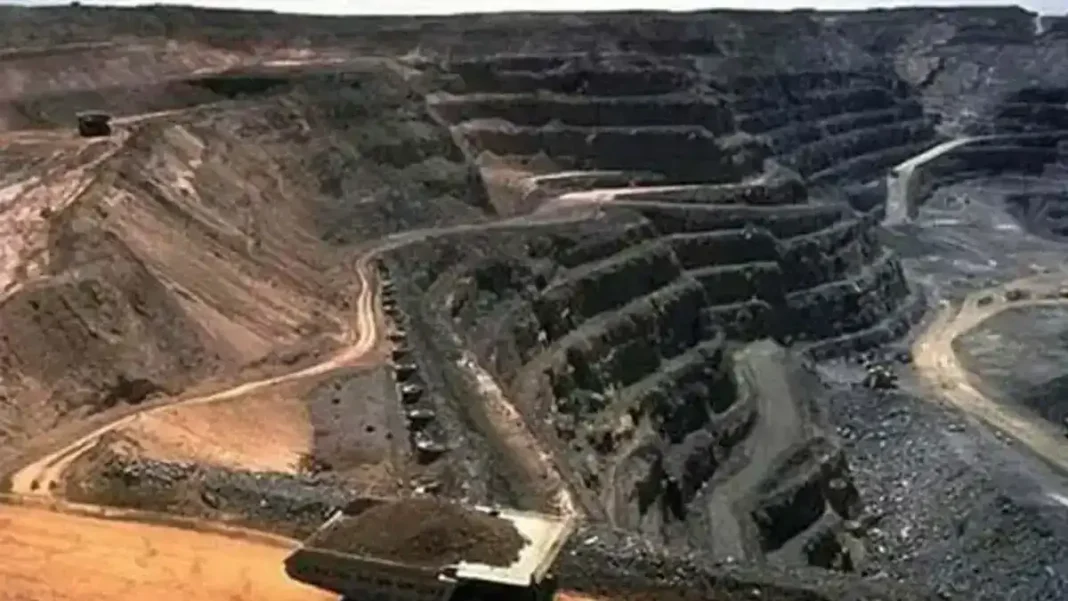
Thar coal diesel savings will reach about Rs25 million a day once the mines in Tharparkar switch from diesel generators to electricity from the national grid. Work has started on the connection, and the government now expects it to finish by April 2028, around eight months earlier than planned.
The contract for the project has been awarded, and the contractor has mobilised at the site. A review meeting on Wednesday, 18 November 2026, chaired by Federal Minister for Power Sardar Awais Ahmad Khan Leghari, heard that completion has moved forward to the first quarter of 2028, ahead of the original end-2028 target. ProPakistani reported the update, and Business Recorder confirmed the same figures from a Power Division statement.
Thar coal diesel savings come from grid power
The project will connect mining work in Thar Block I and Block II to the national grid through 132kV transmission lines from the Islamkot Grid Station. The lines will supply around 60 megawatts of electricity to the mining sites.
At present, the mines run on diesel-generated electricity, which costs around 33 cents per kilowatt-hour. Grid power is expected to cut that cost to 13 cents per kilowatt-hour, a fall of more than 60 percent.
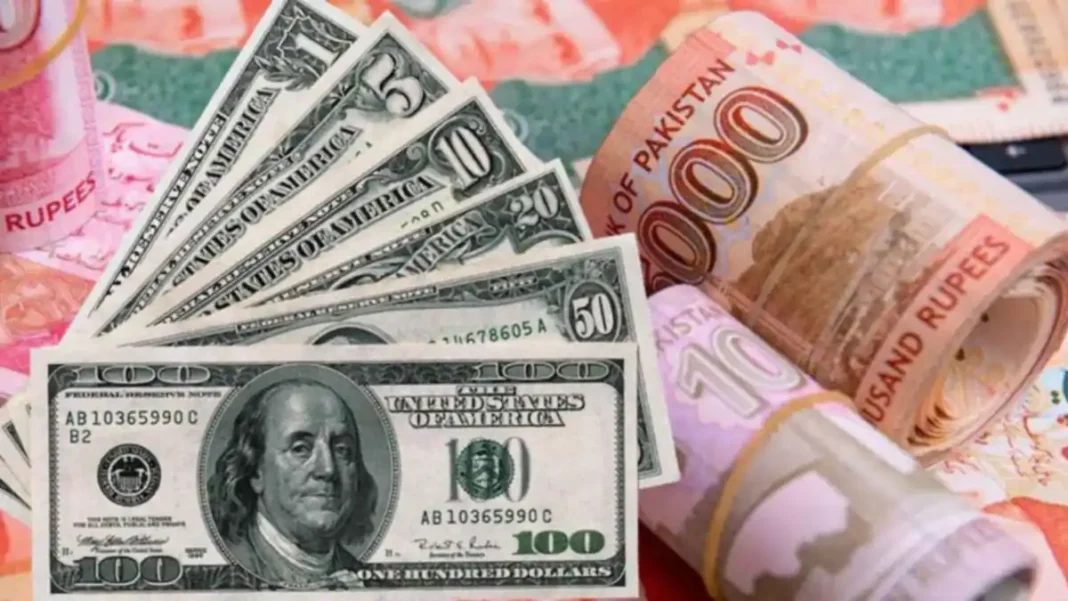
The mines burn between 200,000 and 250,000 litres of diesel each day, including around 35,000 litres for dewatering alone. Replacing that diesel with grid electricity is expected to save about Rs25 million a day. The Power Division puts the annual foreign exchange saving at 25 to 30 million dollars, since less imported diesel will be needed.
Cheaper coal means cheaper power
The shift is also expected to lower coal production costs by around 70 cents per tonne. That cut should feed through into the coal tariff and reduce the overall cost of the power purchase basket.
The change matters for household bills as well. Electricity generation costs have risen sharply, and electricity bills are set to rise in December. Any fall in the cost of coal-fired power helps to ease that pressure, even if the effect reaches consumers slowly.
The project is also expected to cut carbon emissions by about 80,000 tonnes a year, as diesel generators give way to grid supply.
What the project will build
The grid connection covers both mining blocks. The Thar Coal and Energy Board, Sindh Engro Coal Mining Company (SECMC), Sino Sindh Resources Limited (SSRL), the Power Division and Hyderabad Electric Supply Company (HESCO) all attended the review meeting.
The mining operators agreed to invest about Rs5.3 billion in grid stations and transmission lines when the reform was launched. The work now under way puts that plan into practice.
Thar coal has become a pillar of Pakistan’s energy mix. Thar coal already replaces imported fuel at power plants, and a pricing overhaul for Thar coal opened sales to buyers outside the independent power producer system. The grid switch adds a further step, since it cuts the cost of digging the coal itself.
Electric trucks join the shift
The mines will also move their vehicles away from diesel. Block I plans to bring in around 40 electric trucks by the end of this year. Block II aims to start deploying electric vehicles in 2028, alongside the completion of grid connectivity.
The two steps together, grid power and electric trucks, will cut diesel use across the whole mining operation. The Power Division said the change supports long-term plans to reduce emissions from the energy sector.
Why this update matters now
The figures in this story are not new. The Power Division first announced the reform in April 2026, under the direction of Prime Minister Shehbaz Sharif, with the same daily saving of Rs25 million and the same annual saving of 25 to 30 million dollars. What changed on 18 November is the delivery: the contract is signed, the contractor is on site, and the finish date has moved forward by about eight months.
That matters because the savings only start when the lines are live. An earlier finish means the mines stop burning expensive diesel sooner, and the lower coal cost reaches power tariffs sooner. The Pakistan Minerals Investment Forum drew 60 nations to Islamabad this month, and cheaper, cleaner mining strengthens the case for further investment in the sector.
Frequently asked questions
How much will Thar coal mines save each day?
About Rs25 million a day in diesel costs, once mining operations in Thar Block I and Block II move from diesel generators to grid electricity.
When will the grid connection be ready?
The government expects completion by April 2028, in the first quarter of that year. That is around eight months ahead of the original end-2028 target.
How much electricity will the mines draw from the grid?
Around 60 megawatts, supplied through 132kV transmission lines from the Islamkot Grid Station.
How far will mining power costs fall?
From around 33 cents per kilowatt-hour with diesel to about 13 cents with grid power, a reduction of more than 60 percent. Coal production costs should fall by around 70 cents per tonne.
Will the mines also stop using diesel vehicles?
Yes, in stages. Block I plans to bring in around 40 electric trucks by the end of 2026, and Block II aims to start deploying electric vehicles in 2028.