Microfinance Banks Profit Again on Gold-Backed Loans
Microfinance banks profit returned in Pakistan in FY2026 after six straight years of losses, the State Bank of Pakistan says. Gold-backed loans helped drive the turnaround in the year to June 2026.
Advances grew by 27.2 per cent, against 10.4 per cent the previous year. Gold-backed loans now make up more than half of all lending by the sector.
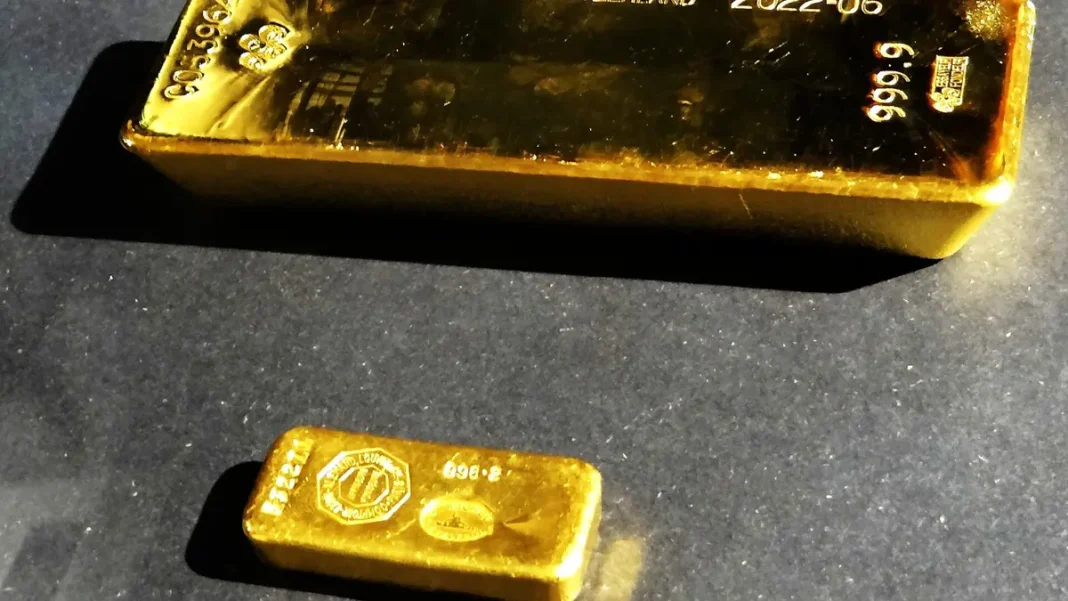
Gold-backed loans drive microfinance banks profit
Gold-backed loans stood at 51.7 per cent of gross advances by June 2026. That is up from 43.3 per cent in FY2025, a sharp rise in a single year.
Total sector assets rose 31.2 per cent to Rs1.169 trillion by June 2026, helped by higher net interest income and better operational efficiency.
Administrative expenses fell 8.2 per cent in FY2026, against an average annual rise of 29.2 per cent over the previous three years.
The figures come from the State Bank’s Governor’s Annual Report for FY2026.
Why borrowers struggled
The six years of losses had clear causes. Borrowers were hit by COVID-19, then by the floods of 2022, and then by high inflation. Each shock cut into household incomes and weakened repayment capacity.
Many microfinance customers earn daily wages or run small shops, so a flood or a price spike can wipe out a month of income.
Gold-backed lending offers banks a way round that risk. A borrower pledges gold, and the bank can sell it if the loan is not repaid. That security lets banks lend to people with little else to offer as collateral.
The State Bank says gold-backed lending could extend credit to underserved segments, but warns that gold price volatility and collateral values could create risks if prices fall.
Women lead microfinance borrowing
The turnaround matters most for the people who rely on these banks. Women make up 82 per cent of Pakistan’s microfinance borrowers, Feature Pakistan reported today, which means the sector’s recovery reaches mainly women running small businesses and managing household budgets.
State support runs alongside this lending. Unmarried women form 45 per cent of those receiving financial help under BISP.
High gold prices also help explain the surge. Gold held by families is worth more now, so the same jewellery or bars support larger loans than before.
Wider economy steadies
The microfinance recovery sits inside a steadier national picture. Foreign exchange reserves beat the State Bank’s $18 billion year-end target, despite a current account deficit.
The State Bank bought a net $8.1 billion in foreign exchange and cut its forward and swap liabilities by $1.6 billion, helped by remittances, ICT exports and external financing.
The current account swung to a surplus in October, and IT exports hit a record in October, feeding the inflows that support the rupee.
Average NCPI inflation ran at 5.5 per cent in July to February of FY2026, then pushed into double digits from April, after the Middle East conflict drove oil prices up.
The policy rate stayed on hold until December 2025, when the State Bank cut it by 50 basis points, before raising it by 100 basis points in April 2026 as inflation climbed again.
Financial inclusion push
The State Bank is also pushing credit and banking deeper into rural and young Pakistan. It has set up 12 Digital Model Villages and launched Pakistan’s first end-to-end digital agriculture lending platform, Zarkhez-e, also called Asaan Digital Zarai Qarza.
A new framework lets teenagers own bank accounts and digital wallets, and the central bank has built a Pakistan Financial Inclusion Index and a Pakistan Green Taxonomy to guide lending towards climate-friendly projects.
If microfinance banks stay profitable, they can keep lending to the small borrowers the formal banking system has long overlooked.
Frequently asked questions
When did microfinance banks last make a profit?
Pakistan’s microfinance banks returned to profit in FY2026 after six straight years of losses, according to the State Bank’s Governor’s Annual Report for FY2026.
How big are gold-backed loans now?
Gold-backed loans make up 51.7 per cent of the sector’s gross advances, up from 43.3 per cent in FY2025.
How large is the microfinance sector?
Total sector assets rose 31.2 per cent to Rs1.169 trillion by June 2026, while advances grew 27.2 per cent in the year.
Why did the sector lose money for six years?
Borrowers were hit by COVID-19, the 2022 floods and high inflation, which weakened repayment. Costs also rose fast, with administrative expenses climbing by an average of 29.2 per cent a year over the previous three years.
What risks does the State Bank flag?
The State Bank says gold-backed lending could extend credit to underserved segments, but gold price volatility and collateral values could create risks if gold prices fall.