Debris from intercepted missiles damages kindergarten, clinic in Riyadh
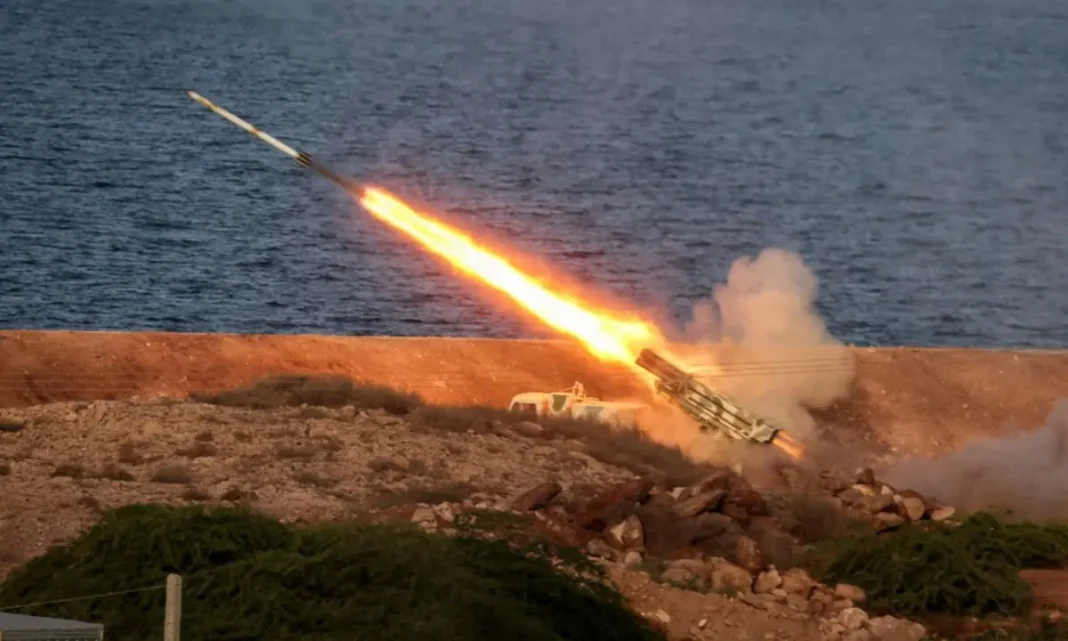
Falling debris from three intercepted Houthi missiles damaged a kindergarten and a medical clinic in Riyadh on Thursday, the Saudi-led coalition said, in the latest sign that the Yemen conflict is spilling deeper into the Saudi capital. The Riyadh missile debris fell over residential districts of the city after air defences destroyed the incoming projectiles.
The coalition said its forces tracked and intercepted the three ballistic missiles before they could reach their targets. It did not immediately report casualties from the falling wreckage, and damage assessments were still under way.
What happened in Riyadh
According to the coalition’s statement, the missiles were launched by Yemen’s Iran-aligned Houthi movement toward the Saudi capital. Air defence batteries engaged them over the city, and the destroyed missiles broke apart in mid-air, scattering debris across neighbourhoods below.
A kindergarten and a medical clinic took damage from the falling fragments. Saudi civil defence teams were deployed to the affected sites. The Houthis had not publicly claimed responsibility for the three launches, and independent verification of the launches and interceptions was not immediately available.
Riyadh missile debris and a week of escalation
The incident caps a week in which Houthi strikes have repeatedly reached Saudi territory. Over the past two days, Houthi attacks on Abha International Airport near the Yemen border and King Khalid International Airport in Riyadh killed three people, Saudi officials said. The US mission in Saudi Arabia has updated its security alert, warning American citizens that the conflict has the potential to escalate.
The Houthis have stepped up missile and drone attacks since July, when the US-Iran ceasefire unravelled and the group widened its campaign to Saudi oil facilities, tankers and airports. Riyadh has responded with air strikes in support of Yemen’s internationally recognised government.
That government’s forces, backed by Saudi air power, say they have advanced near the Bab al-Mandab Strait in recent days under an operation dubbed “Dawn of Yemen”, recapturing ground along the Red Sea coast. The strait links the Red Sea with the Gulf of Aden and carries a large share of global shipping, which is why every exchange in this fight rattles energy and freight markets.
Civilians in the line of fire
What makes Thursday’s incident stand out is where the debris landed. Interceptions over cities always carry this risk: destroying a missile in the sky does not make its wreckage disappear, and in a dense capital the fragments have to come down somewhere. A kindergarten and a clinic are about as sensitive as targets get, even when nobody aimed at them.
The episode is likely to sharpen the debate inside Saudi Arabia about air defence coverage over Riyadh and about the costs of the widening campaign in Yemen. It also adds pressure on Pakistan, Saudi Arabia and Türkiye, whose new mutual defence pact has already put Pakistani forces in the kingdom and drawn Islamabad into the argument over how far that commitment goes.
FAQ
What was damaged in Riyadh?
The Saudi-led coalition said falling debris from three intercepted Houthi missiles damaged a kindergarten and a medical clinic in the capital. No casualties were immediately reported.
Who launched the missiles?
The coalition attributed the launches to Yemen’s Houthi movement. The Houthis had not publicly claimed responsibility, and the launches could not be independently verified.
Why are Houthi attacks on Saudi Arabia increasing?
The Houthis have escalated missile and drone attacks since July, after the US-Iran ceasefire unravelled. The group says it is responding to Saudi air strikes backing Yemeni government forces, who have advanced near the Bab al-Mandab Strait.
Have civilians been hurt in recent attacks?
Yes. Saudi officials said Houthi attacks on Abha and King Khalid airports over the past two days killed three people.