Ex-Prince Andrew wins court battle as UK police admit home-raid warrants were unlawful
Andrew Mountbatten-Windsor won a significant legal victory on Thursday when Thames Valley Police conceded at the High Court that the search warrants behind his dramatic February arrest were wrongly granted. With the Andrew warrants quashed, the force admitted it had relied on the wrong legislation when officers raided his properties.
The concession came at a hearing before Mr Justice Hilliard, where the police accepted that the warrants authorising searches of properties linked to the former prince must be set aside. The ruling is a rare public admission of a procedural error by a British police force in a case that drew worldwide attention.
Andrew warrants quashed: what the High Court heard
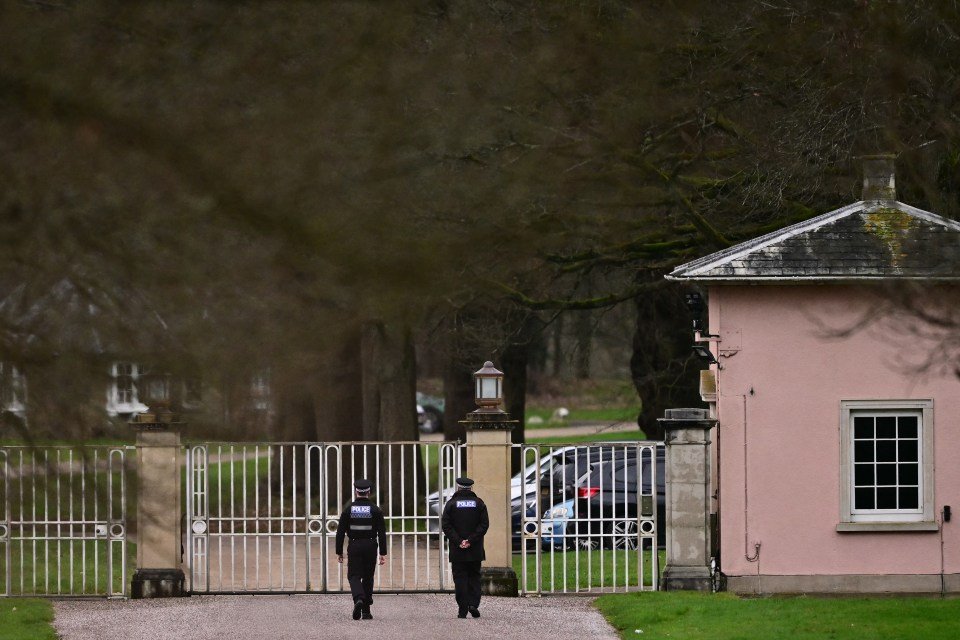
The warrants underpinned the arrest of Andrew on February 19, 2026, his 66th birthday, over alleged leaks of information linked to his former role as a British trade envoy to the late financier Jeffrey Epstein. Officers searched Sandringham and Royal Lodge, seizing material as part of the investigation.
Thames Valley Police told the court the warrants had been granted under the wrong legal provisions. A warrant granted under the wrong legislation is invalid, which meant the searches they authorised cannot stand in law. The judge’s order quashes the warrants and, with them, the legal basis on which the seized material was taken.
Why the quashing does not end the investigation
The ruling is a setback for the police, not an acquittal. The force is expected to seek fresh warrants under the correct legal route, which means the investigation into the alleged trade-envoy leaks can continue. Andrew was released under investigation after his arrest and has not been charged. He denies any wrongdoing.
The episode adds another chapter to a long-running saga. Andrew was stripped of his royal titles last year, and the February arrest, carried out on his birthday, was one of the most striking images of the year in British public life. Thursday’s concession will sharpen scrutiny of how the force handled one of the most sensitive operations in its recent history.
What happens next
Police are likely to move quickly to reapply for warrants under the proper legislation, and any challenge to the reissued warrants would return the matter to the courts. For Andrew, the quashing offers a measure of vindication on process, though the underlying investigation remains open and unresolved.
The wider question is what the seized material contained and whether a fresh, lawfully authorised search will recover it. Until the police act, the case sits in an unusual holding pattern: the searches happened, the evidence was gathered, and the court has now said the paperwork behind them was wrong.
FAQ
What did the High Court decide about the Andrew warrants?
Thames Valley Police conceded that the warrants authorising raids on properties linked to Andrew Mountbatten-Windsor were granted under the wrong legislation. The court ordered the warrants quashed.
Was Andrew Mountbatten-Windsor charged?
No. He was arrested on February 19, 2026, and released under investigation. He denies wrongdoing and has not been charged.
Does the ruling end the investigation?
No. Police are expected to seek fresh warrants under the correct legal route, so the investigation into the alleged trade-envoy leaks can continue.
Why was Andrew arrested in February?
He was arrested over alleged leaks of information linked to his former role as a British trade envoy to Jeffrey Epstein. Officers searched Sandringham and Royal Lodge during the operation.