


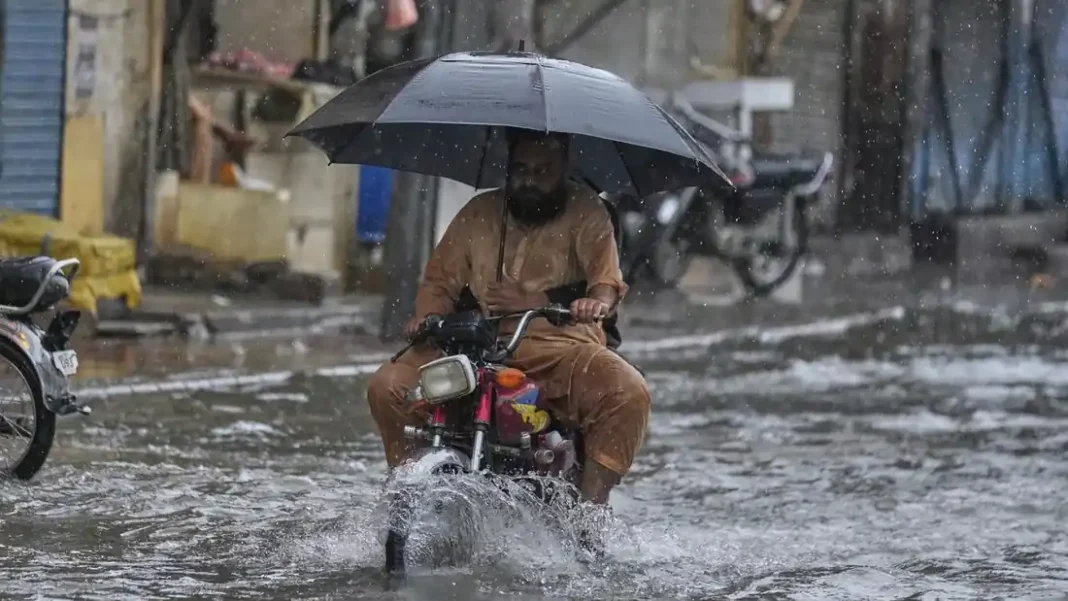
Monsoon Pakistan — the season guide. Dates, regions, the verified 2026 toll, and how to stay safe.
Quick answer: Monsoon Pakistan runs late June to September (peak July–August). The 2026 season (26 June–mid-September) killed 185 people and injured 521 (NDMA) — serious but far below 2022’s catastrophe, thanks to early warnings. Safety: never cross flooded nullahs; avoid mountain roads in heavy spells.
Dates and Timing
The Pakistan monsoon arrives in late June and withdraws by mid-September. The 2026 season officially commenced on 26 June 2026 (NDMA) and its final rainfall spell ended in mid-September. July and August are the peak: this is when the heaviest falls hit Punjab and Khyber Pakhtunkhwa, when Karachi’s nullahs overflow, and when the hill torrents of the Sulaiman Range turn violent.
The word “monsoon” comes from the Arabic “mawsim” (season) — and Pakistan’s monsoon behaves like one: a seasonal wind reversal that drags moisture up from the Arabian Sea. Before the monsoon proper, May–June brings the andhi — pre-monsoon dust storms — and brutal heat. After the monsoon withdraws, October is usually dry, though western disturbances can still deliver autumn downpours, as October 2026 proved. Full seasonal mechanics are in our monsoon pillar and our rain in Pakistan guide.
The 2026 Toll
Per the NDMA’s final situation reports and the Islamic Relief Pakistan humanitarian sitrep (18 September 2026): 185 people dead, 521 injured across the country during the 26 June–17 September season. Khyber Pakhtunkhwa was among the worst-hit provinces. The NDMA credited its proactive alert system — daily forecasts, impact-based warnings and situation updates pushed through official channels and social media — with limiting the toll.
The toll kept climbing after the season’s official end. On 6 October 2026, torrential post-monsoon downpours triggered landslides across northern Pakistan that killed 11 people, burying settlements and cutting highway links. The next day, 7 October, heavy rain in KP killed a 7-year-old boy in Mardan when his house roof collapsed (Rescue 1122; reported by Dawn), flooded Peshawar (Assembly Chowk, University Road, Saddar Road, Hayatabad), tripped 83 PESCO feeders, and damaged standing crops and solar installations in Mohmand through hailstorms.
Why a “Dry” Monsoon Still Killed
Here is 2026’s paradox: the PMD measured the July–September monsoon at 120.5mm — 19.3% below normal, with Sindh 50.8% short and Karachi 92% short, blaming a developing El Niño. Yet 185 people died. The explanation: seasonal totals measure averages; deaths measure violence. A single cloudburst over a saturated slope, one collapsing mud roof, one flooded nullah crossing — these kill regardless of the season’s average.
Compare the benchmarks: the 2025 monsoon killed 1,037 people and destroyed over 229,000 houses (Rs822 billion in damages). The 2022 super-floods killed 1,700+ and submerged a third of the country. Against those, 2026 was “managed” — but the October landslides are a warning that Pakistan’s vulnerability now extends beyond the monsoon calendar.
Staying Safe
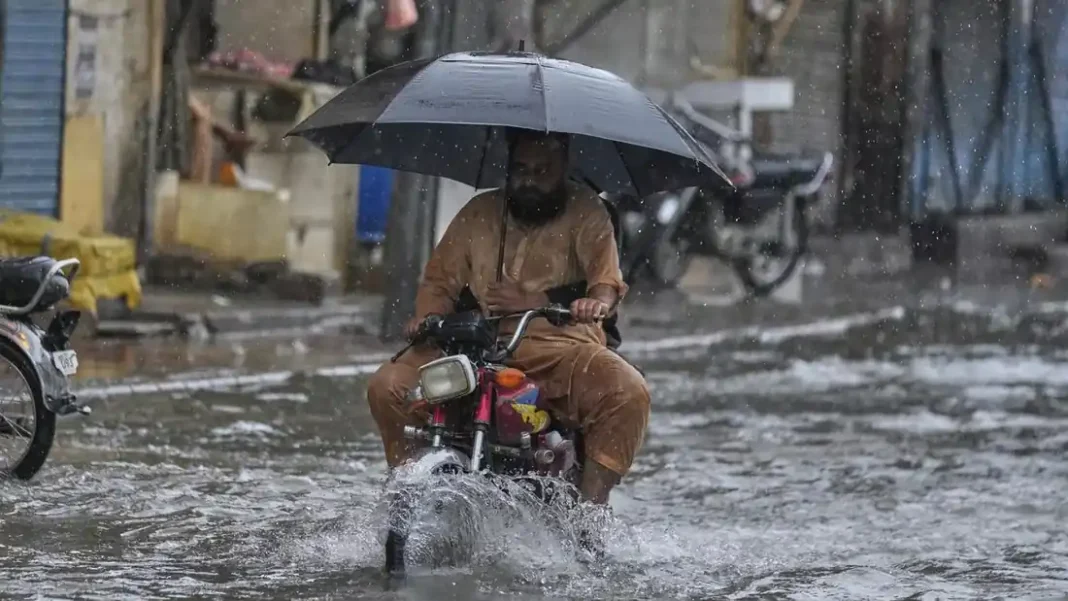
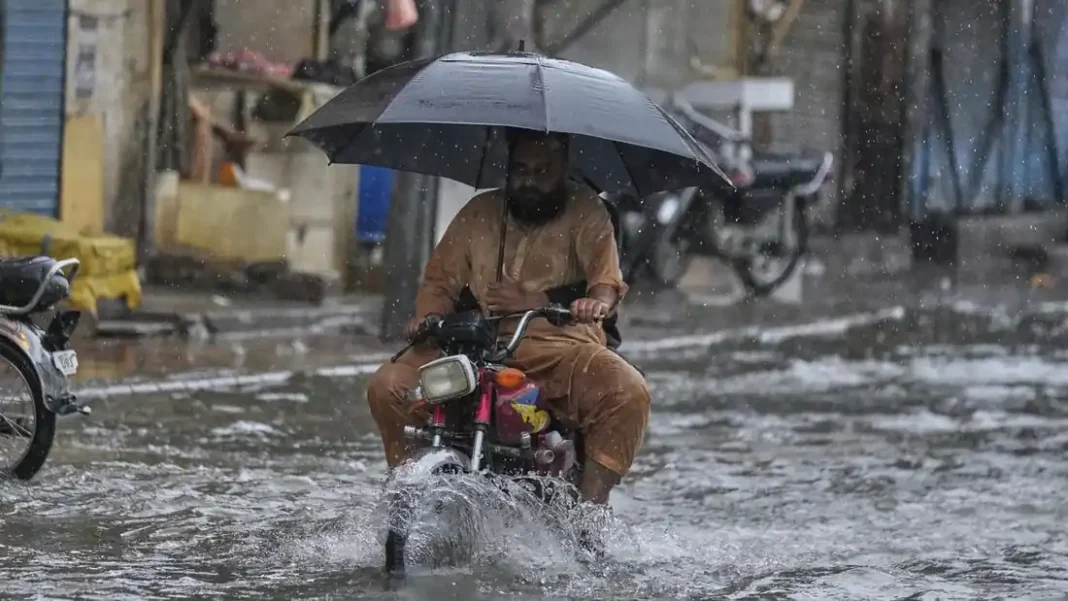
The monsoon safety rules, learned the hard way: 1. Never cross a flooded nullah or causeway — most drowning deaths happen here, in water that looks shallow. 2. Avoid mountain roads during and after heavy spells; saturated slopes slide for days (the October 6 disaster struck after the rain, not during it). 3. Stay clear of electricity poles and dangling wires in flooded streets. 4. In cities, avoid underpasses during downpours — they flood first and fastest. 5. Keep Rescue 1122‘s number saved; they are the frontline in every spell.
Roof collapses deserve special emphasis: weak mud and old concrete roofs kill every monsoon, and the NDMA’s new Infrastructure Audit Programme 2026 specifically targets high-risk buildings. If your roof leaks, ponds water or shows cracks, fix it before June — the Mardan child’s death on 7 October is the price of waiting. Tracking an active spell? See storm in Pakistan today.
Monsoon Pakistan: FAQs
When is monsoon in Pakistan?
Late June to September, peaking in July–August. The 2026 season ran 26 June to mid-September.
How bad was the 2026 monsoon?
185 dead, 521 injured (NDMA) — serious, but far below 2022 (1,700+ dead) and 2025 (1,037 dead). Early warnings are credited with limiting the toll, though October’s post-monsoon rains added 11+ more deaths.
Which province was worst-hit in 2026?
Khyber Pakhtunkhwa suffered heavily, including the October 6–7 spell (11 landslide deaths in the north, a child killed in Mardan, Peshawar flooded). The final provincial breakdown is in the NDMA’s situation reports.
Is the monsoon over now?
The 2026 monsoon ended in mid-September, but autumn western disturbances can still bring heavy rain to the north — as October 6–7 proved. Winter rains (December–March) come next.
, safety. Late June–September. NDMA figures.)