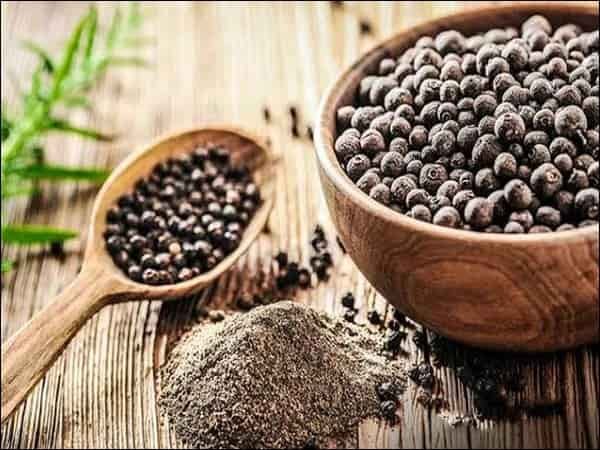
A small pinch of black pepper can completely change the taste of a meal.
For centuries, people around the world have used black pepper to add a sharp, warm flavor to food. It is one of the most common spices found in kitchens, yet many people do not realize that this simple seasoning contains powerful plant compounds that may support overall health.
Known as the “king of spices,” black pepper is not only valued for its taste. Researchers have studied its active compound, piperine, because of its possible antioxidant, digestive and nutrient-absorption benefits.
While black pepper should not be considered a treatment for diseases, adding it as part of a balanced diet may offer several health advantages.
So, what happens when you include black pepper in your everyday meals?
Let’s explore the science behind this popular spice.
What Makes Black Pepper Special?
Black pepper comes from the dried fruit of the Piper nigrum plant.
The compound responsible for its unique taste and spicy sensation is called piperine. This natural compound has attracted scientific attention because of its potential antioxidant and anti-inflammatory properties.
Antioxidants help protect the body’s cells from oxidative stress caused by unstable molecules known as free radicals.
The body naturally produces free radicals during normal processes, but excessive oxidative stress may contribute to cellular damage over time.
This is why researchers continue exploring the role of plant compounds like piperine in supporting overall wellness.
However, it is important to understand that most research focuses on concentrated extracts or laboratory studies. Eating normal amounts of black pepper in food is different from taking high-dose supplements.
1. Black Pepper May Support Better Digestion
One of the traditional uses of black pepper has been supporting digestion.
Research suggests that piperine may influence digestive enzymes and help improve the body’s ability to process nutrients from food.
Many people notice that spicy foods can stimulate appetite and make meals feel more enjoyable.
Black pepper may also encourage the production of digestive juices that help break down food.
A healthy digestive system plays an important role in overall health because it affects how the body absorbs nutrients.
Adding a small amount of black pepper to meals may support normal digestion as part of a balanced eating pattern.
However, people with certain digestive conditions may find that spicy foods worsen symptoms. Everyone’s body responds differently.
2. It Can Help Your Body Absorb Certain Nutrients
One of the most interesting qualities of black pepper is its connection with nutrient absorption.
Piperine has been studied for its ability to increase the bioavailability of certain compounds, meaning it may help the body absorb and use them more effectively.
The most famous example is turmeric.
Turmeric contains curcumin, a plant compound known for its antioxidant properties. However, the body does not absorb curcumin easily.
Research has shown that piperine can significantly increase curcumin absorption when the two are consumed together.
This is why many traditional recipes combine turmeric and black pepper.
The combination is not only about flavor. It may also improve how the body uses certain beneficial compounds.
3. Black Pepper Contains Antioxidant Properties
Modern diets often include processed foods, environmental stressors and other factors that can increase oxidative stress in the body.
Antioxidants help the body manage this challenge by protecting cells from damage.
Black pepper contains plant compounds, including piperine, that show antioxidant activity in scientific studies.
Including antioxidant-rich foods in your diet is one part of maintaining overall health.
However, no single food can protect the body from every health problem.
A healthy lifestyle requires a combination of nutritious foods, physical activity, good sleep and stress management.
4. May Support Heart Health
Heart health depends on many factors, including diet, exercise, genetics and lifestyle choices.
Some research has explored whether compounds in black pepper may influence factors connected with heart health, such as cholesterol and inflammation.
Piperine has shown promising results in laboratory and early research settings.
However, scientists still need more large-scale human studies to fully understand these effects.
The best approach is to view black pepper as one small part of a heart-healthy lifestyle.
A diet rich in vegetables, fruits, whole grains, healthy proteins and balanced spices can contribute to better long-term health.
5. Black Pepper May Help Support Blood Sugar Balance
Blood sugar management has become an important health topic worldwide.
Researchers have studied piperine for its possible effects on glucose metabolism and insulin sensitivity. Some studies suggest potential benefits, but more human research is needed before strong conclusions can be made.
For people managing diabetes, black pepper can be included as a normal food ingredient.
However, it should never replace prescribed medication, medical advice or a proper nutrition plan.
Healthy blood sugar management depends on multiple factors, including food choices, activity levels, sleep and medical care.
6. It May Support Brain Health
The brain requires protection from oxidative stress and inflammation.
Because piperine has been studied for antioxidant and anti-inflammatory activity, researchers have explored its possible connection with cognitive health.
Some early research has shown interesting possibilities, but scientists continue studying how these compounds affect humans.
For everyday health, the best brain-supporting habits remain simple:
- Eating a balanced diet
- Staying physically active
- Getting enough sleep
- Learning new skills
- Managing stress
Black pepper can be a small addition to a bigger healthy lifestyle.
7. Black Pepper Can Make Healthy Food More Enjoyable
One underrated benefit of black pepper is how it improves the taste of food.
Many people struggle to maintain healthy eating habits because they find nutritious meals boring.
Spices can solve that problem.
Adding black pepper to vegetables, soups, eggs, salads and proteins can increase flavor without adding extra sugar or excessive calories.
A healthier diet does not have to mean tasteless food.
Simple ingredients and spices can make nutritious meals more enjoyable and sustainable.
Black Pepper and Weight Management: What Should You Know?
Many health articles claim that black pepper can directly burn fat or cause weight loss.
However, such claims often go beyond what research proves.
Black pepper alone cannot replace healthy eating habits or exercise.
Weight management depends on maintaining a balanced calorie intake, regular movement, quality sleep and long-term lifestyle choices.
That said, using flavorful spices like black pepper may help people enjoy healthier meals and reduce dependence on high-calorie sauces or excessive salt.
Are There Any Side Effects of Eating Black Pepper?
For most people, normal amounts of black pepper used in cooking are considered safe.
However, consuming very large amounts or taking concentrated piperine supplements may not be suitable for everyone.
Black pepper may cause discomfort in some people with sensitive digestive systems.
People who take certain medications should also be careful with high-dose piperine supplements because piperine may affect how some substances are absorbed or processed in the body.
Pregnant individuals, people with medical conditions and those taking regular medication should consult a healthcare professional before using concentrated supplements.
How Can You Add More Black Pepper to Your Diet?
Adding black pepper to your meals is simple.
You can use it with:
- Scrambled eggs
- Vegetable dishes
- Soups
- Salads
- Grilled foods
- Lentils
- Rice dishes
- Turmeric-based recipes
Freshly ground black pepper often provides stronger flavor than pre-ground versions.
The goal is not to consume excessive amounts.
A small, regular amount can add both taste and variety to everyday meals.
Black pepper may look like an ordinary kitchen spice, but its active compound piperine makes it an interesting subject for health research.
From supporting digestion and nutrient absorption to providing antioxidant compounds, black pepper may offer several potential benefits when included as part of a balanced diet.
However, it is important to avoid exaggerated health claims.
Black pepper is not a cure or replacement for medical treatment.
Its real value comes from being one small but useful part of a healthy lifestyle.
Sometimes, improving your health does not require complicated changes.
A simple spice already sitting in your kitchen may be one small step toward making your meals healthier, more enjoyable and more flavorful.