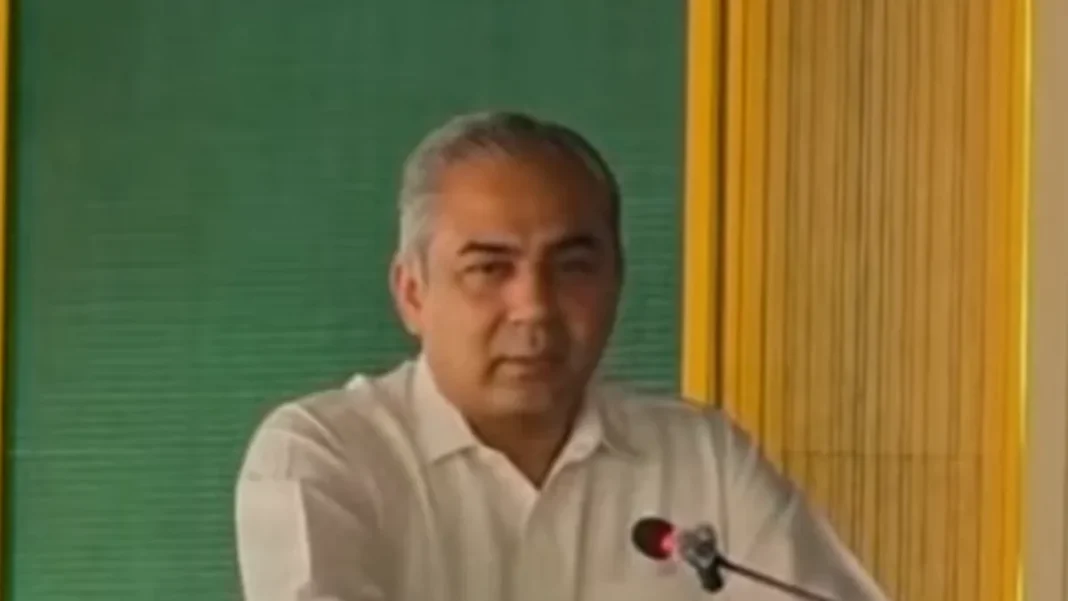
The new Pakistan climate forecasting system can provide outlooks up to 12 months ahead, a major step in the country’s effort to prepare for floods, droughts and other natural disasters before they strike. Finance Minister Muhammad Aurangzeb discussed the system and plans to strengthen it during a meeting with the outgoing and incoming chairmen of the National Disaster Management Authority (NDMA) on Thursday.
Aurangzeb met outgoing NDMA Chairman Lieutenant General Inam Haider Malik and incoming Chairman Lieutenant General Hasan Khattak in Islamabad. The meeting focused on turning better forecasts into faster decisions on the ground.
What the Pakistan climate forecasting system does
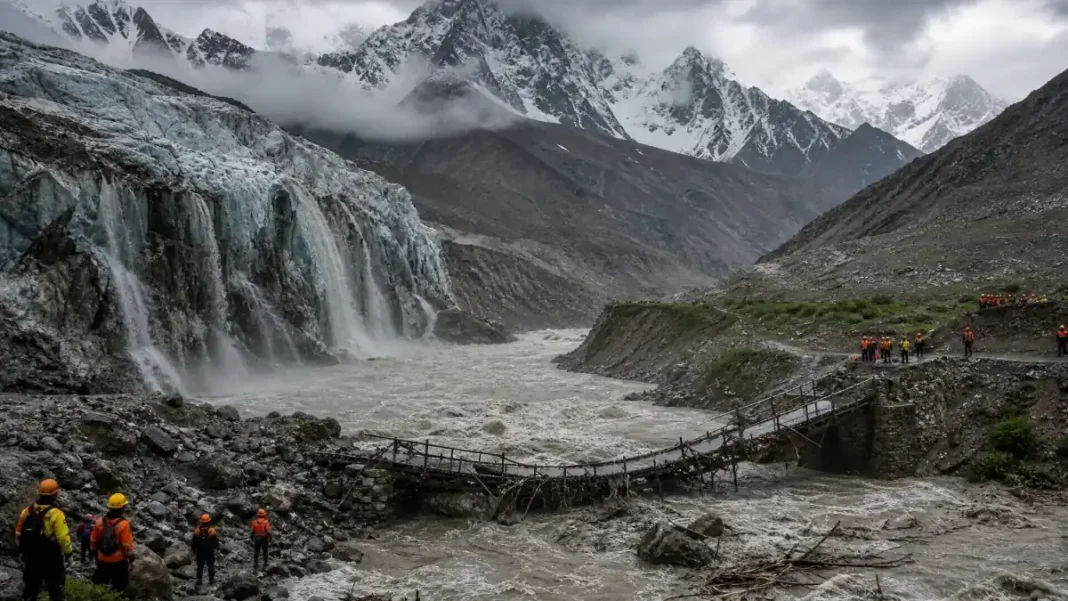
The system gives long-range climate outlooks that can guide planning months before a disaster season. That matters in a country where monsoon rains have killed and displaced hundreds in recent years. Earlier this year, a provincial disaster report recorded 65 deaths and 382 injuries in Punjab’s monsoon season alone, while Sindh faced a sharp monsoon rainfall deficit that damaged crops.
Aurangzeb described climate change and population growth as Pakistan’s two existential challenges, with serious implications for economic stability, food security, communities and public finances. He said climate change and its impact on Pakistan also came up with international partners during the recent IMF and World Bank Annual Meetings.
The finance minister stressed that forecasts must be translated into timely decisions and effective early warning measures, in coordination with the Pakistan Meteorological Department and other relevant agencies. A forecast that sits in a file helps nobody; one that triggers evacuations, releases of stored water or early aid procurement saves lives.
From reactive to proactive disaster response
NDMA’s leadership briefed the finance minister on the forecasting system and the work under way to improve its capabilities. They outlined initiatives involving the Global Resilience Hub and Next Generation Technologies, aimed at moving Pakistan from reactive disaster response toward proactive, technology-driven risk reduction.
The initiatives are expected to support knowledge sharing, showcase Pakistan’s forecasting capabilities and strengthen engagement with international partners. The meeting also highlighted the need to build national expertise in climate science and forecasting through structured training, specialised technical personnel and clear institutional responsibilities.
Aurangzeb stressed that institutional continuity and sustainable technical capacity were essential for long-term climate adaptation, mitigation and disaster risk management. That point carried weight on a day when NDMA’s leadership changed hands: Malik is leaving, Khattak is taking over, and the finance minister appreciated Malik’s contributions while wishing Khattak well.
For readers, the practical test is simple. Pakistan’s disaster warnings have improved on paper before, but recent alerts, including NDMA’s storm alerts for Karachi, show the gap often lies in last-mile delivery: getting a warning to a coastal village or a riverine community in time.
Funding climate resilience
The meeting also turned to money. Aurangzeb emphasised mobilising domestic resources and engaging international development partners to finance disaster preparedness and climate resilience. He called for prioritising investments and developing practical projects with measurable outcomes.
Pakistan is among the countries most exposed to climate shocks while contributing a small share of global emissions. Securing sustained funding, rather than one-off emergency appeals after each disaster, is the core of the resilience argument the finance minister put to the IMF and World Bank meetings.
If the 12-month outlook system works as promised, it could give provinces, farmers and city planners a full seasonal cycle to prepare: stocking relief goods, managing reservoirs, adjusting crop calendars and pre-positioning rescue equipment. The next monsoon season will be its first real examination.
Frequently asked questions
What is the new Pakistan climate forecasting system?
It is a climate forecasting system developed with NDMA that provides outlooks up to 12 months ahead, meant to support early warning and disaster preparedness.
Who discussed the system on October 23?
Finance Minister Muhammad Aurangzeb discussed it with outgoing NDMA Chairman Lt Gen Inam Haider Malik and incoming Chairman Lt Gen Hasan Khattak.
Why does Pakistan need 12-month disaster outlooks?
Long-range outlooks give provinces, farmers and city planners months to prepare for monsoon floods and droughts, stocking relief goods, managing reservoirs and pre-positioning rescue equipment.
How will the system be funded?
Aurangzeb called for mobilising domestic resources and engaging international development partners to finance disaster preparedness and climate resilience projects with measurable outcomes.