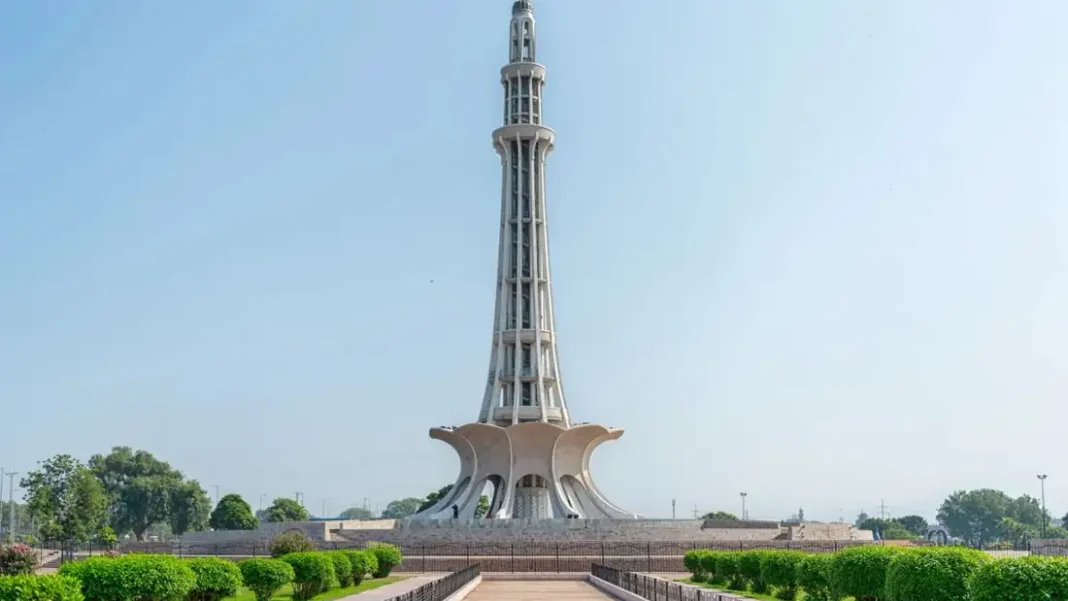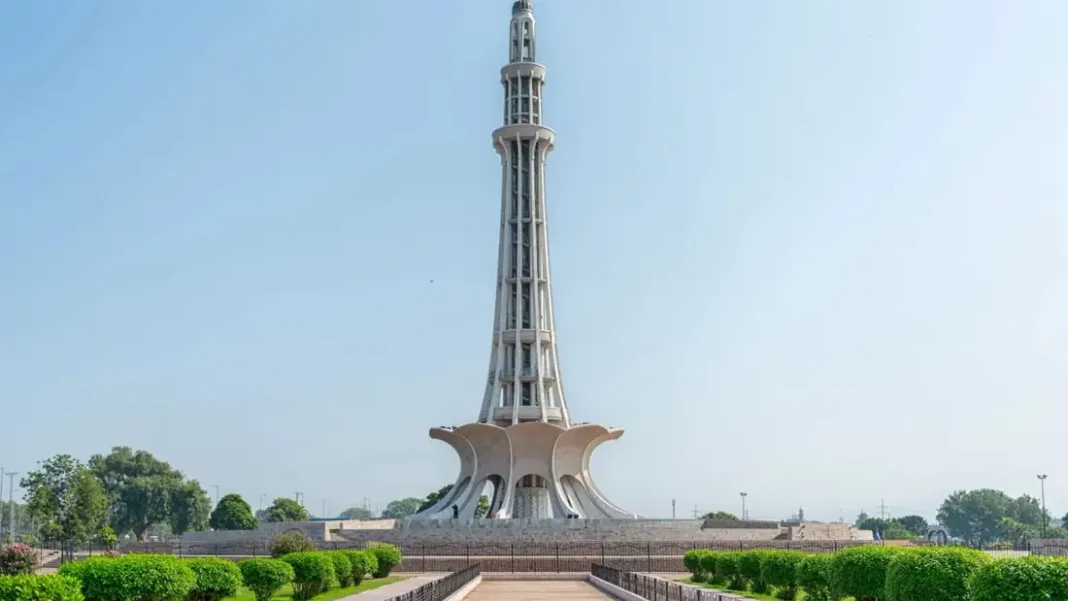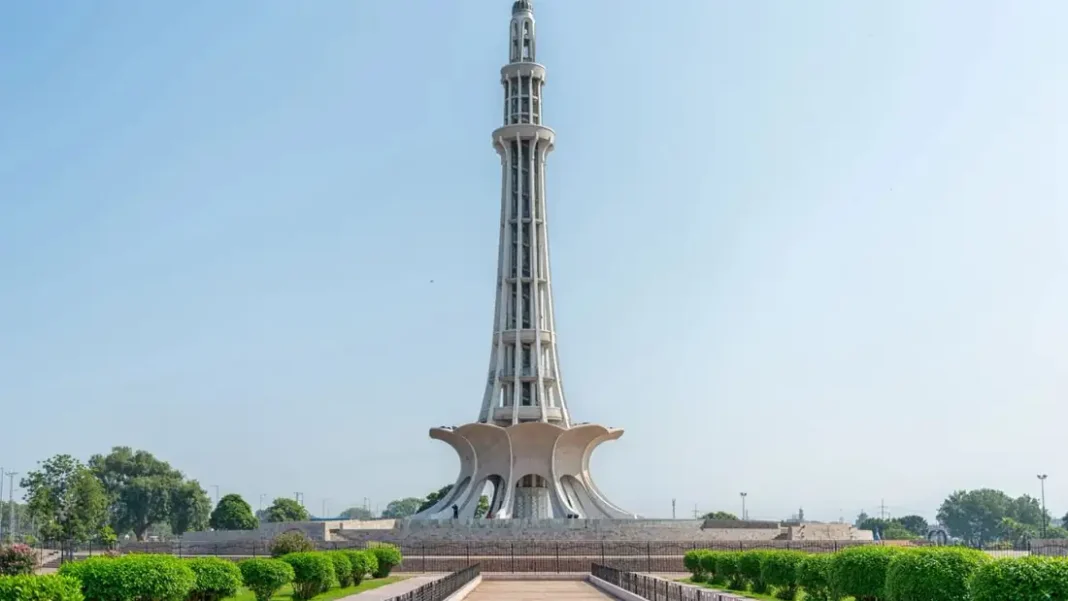
Pakistan was never an empire — it has existed only as a republic since 1947. But the land it occupies was the seat or province of great empires for two thousand years: the Mughals ruled from Lahore, the Sikhs from Lahore too, and the Indus cities were imperial capitals millennia earlier. This is the imperial history of Pakistan’s region.
Quick answer: No “Pakistan Empire” ever existed. The empires that ruled the region now called Pakistan include: the Achaemenid Persians, the Kushans, the Ghaznavids, the Delhi Sultanate, the Mughal Empire (1526–1857, ruling from Lahore and Delhi), the Durrani Afghans, and the Sikh Empire (1799–1849) — before British annexation in 1849.
In this guide
The Mughals (1526–1857)
Lahore, imperial capital. The Mughal Empire — founded by Babur’s 1526 victory at Panipat — ruled the region for three centuries, with Lahore as a principal capital under Akbar, Jahangir and Shah Jahan. The Badshahi Mosque, Lahore Fort’s great works, Shalimar Gardens and the Wazir Khan Mosque are Mughal Lahore’s surviving glories. The empire’s decline after Aurangzeb (1707) opened the region to Afghans, Marathas and finally the Sikhs.
The Mughals’ administrative legacy — the subah system, land revenue, Persianate court culture — shaped everything after. When Pakistanis call Lahore the cultural heart, they mean Mughal Lahore.
The Sikhs (1799–1849) and Durranis
Ranjit Singh’s empire. The Sikh Empire, forged by Maharaja Ranjit Singh from 1799, ruled Punjab, Kashmir and the frontier from Lahore — the last indigenous empire before the British. Its army, the Khalsa, was among Asia’s finest; its fall came through succession chaos and the Anglo-Sikh wars (1845–46, 1848–49), ending in British annexation of Punjab in 1849.
West of the Indus, the Durrani Afghans (1747–1818) held Peshawar and Kashmir at their height. The region thus spent the 18th–19th centuries contested between Afghans, Sikhs and Marathas — the “great game” prelude to British rule.
The ancient empires
Before Islam. The Achaemenid Persians held the Indus valley as satrapies (6th–4th century BCE); Alexander passed through in 326 BCE; the Mauryans (notably Ashoka) and the Kushans (whose capitals included Peshawar/Purushapura) ruled from the region; the Buddhist Gandhara civilisation at Taxila flourished under Kushan patronage. The Ghaznavids (10th–12th century) made Lahore their eastern capital — the first Muslim empire seated in the region.
The Delhi Sultanate (13th–16th century) held Punjab and Sindh as its western marches. Each empire left layers: Taxila’s stupas, Lahore’s tombs, Multan’s shrines — the historical background sets them in sequence.
Why there was never a “Pakistan Empire”
Republics don’t do empires. Pakistan was founded as a republic (dominion, then Islamic republic) in the age of decolonisation — the era when empires were dissolving, not forming. Its founders explicitly rejected imperial models; Jinnah’s constitutionalism and the 1973 Constitution’s parliamentary frame leave no room for empire.
The search phrase “pakistan empire” usually comes from students encountering the region’s imperial past — or from confusion with the Mughal Empire, which is sometimes loosely called an “Indian empire” covering Pakistan’s territory. The accurate frame: Pakistan is the republican successor to imperial lands. The pillar guide keeps the eras straight.
Was there ever a Pakistan Empire?
No. Pakistan has existed only as a republic since 1947. Its territory was previously ruled by the Mughals, Sikhs, Durranis, Delhi Sultans, Kushans and others.
Which empire ruled Lahore the longest?
The Mughals (1526–1857) — over three centuries, with Lahore as an imperial capital. The Sikhs ruled it 1799–1849; the British 1849–1947.
Did the Mughal Empire cover Pakistan?
Yes — at its height the Mughal Empire covered all of present-day Pakistan, ruling from Delhi, Agra and Lahore.