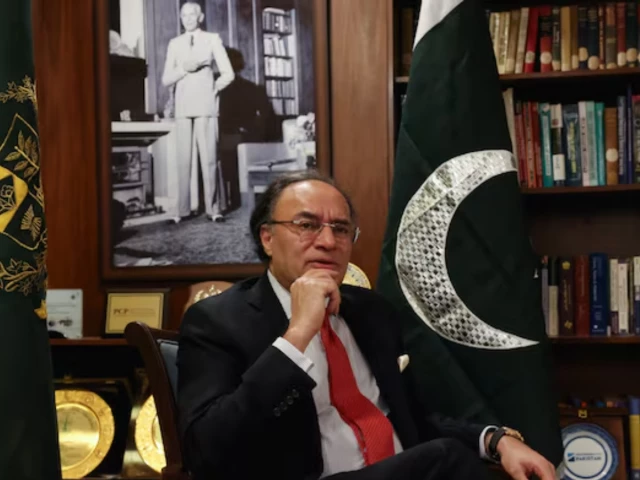
Federal Minister for Finance Muhammad Aurangzeb met a Dutch business delegation in Islamabad on Friday for Netherlands investment talks on commercially viable opportunities and deeper bilateral economic cooperation.
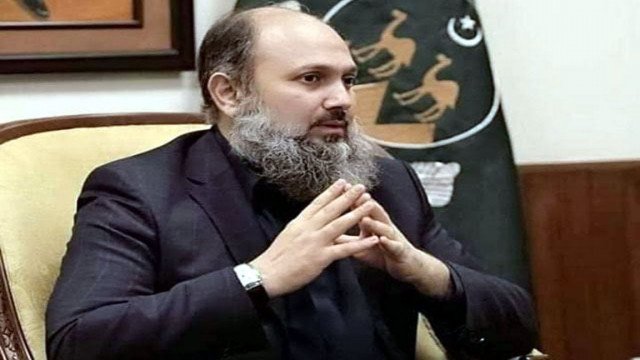
The delegation was led by the Founders Carbon Network (FCN) and accompanied by the Netherlands Ambassador to Pakistan, Robert-Jan Siegert. The adviser to the prime minister on privatisation was also present at the meeting.
Aurangzeb stressed the need for stronger business-to-business linkages and said sustained engagement between the business communities of both countries would help identify investment opportunities, develop partnerships and build investor confidence.
Stabilisation must translate into investment, says minister
The finance minister highlighted Pakistan’s improving macroeconomic outlook and said the gains of stabilisation now needed to be converted into productive investment, capital formation, export expansion and private-sector-led growth.
He said the next phase of Pakistan’s economic development must be increasingly export-oriented, productivity-driven and employment-generating, backed by structural reforms and greater mobilisation of private capital.
Outlining the government’s economic priorities, Aurangzeb underscored the need to consolidate macroeconomic stability, strengthen fiscal and external resilience, move towards sustainable and responsible growth, shift from aid dependence towards trade and investment, broaden access to finance for SMEs, agriculture, housing and underserved communities, and position Pakistan to benefit from the “New Economy” through digitalisation and emerging technologies.
Reserves at a historic high
The minister noted that foreign exchange reserves had reached a historic high of $21.4 billion, providing more than three months of import cover. He said sustaining these gains and building resilience against external shocks was essential to reinforcing investor confidence and creating a durable foundation for economic growth.
Aurangzeb identified rapid population growth and climate change as two existential challenges facing Pakistan, with implications for economic sustainability, human development and long-term resilience. He called for addressing them through sustained policy attention and coordinated reforms.
Netherlands investment, Dutch expertise and privatisation
The minister pointed to the potential for Dutch expertise, technology and investment to complement Pakistan’s development priorities across key sectors. He identified public-private partnerships as an important avenue for mobilising private capital, using specialised expertise and turning investment interest into commercially viable projects.
The adviser on privatisation reaffirmed the government’s commitment to expanding private-sector participation through privatisation and public-private partnerships, saying the initiatives were aimed at improving efficiency, attracting investment and creating greater opportunities for private enterprises.
Members of the Dutch delegation shared their views on Pakistan’s business environment and prospects for expanded cooperation, with discussions highlighting opportunities to strengthen business-to-business engagement and develop partnerships between Pakistani and Dutch enterprises.
Frequently asked questions
Who led the Dutch delegation?
The delegation was led by the Founders Carbon Network and accompanied by the Netherlands Ambassador to Pakistan, Robert-Jan Siegert.
What did Aurangzeb pitch to the delegation?
Export-led growth, record $21.4 billion forex reserves, privatisation and public-private partnerships, and opportunities in the “New Economy” through digitalisation and emerging technologies.
What sectors could benefit?
The meeting discussed Dutch expertise and technology complementing Pakistan’s development priorities, with public-private partnerships flagged as the key route for turning investment interest into viable projects.