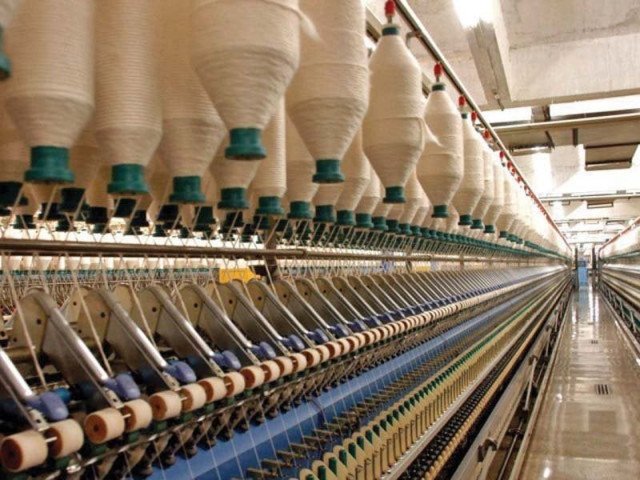
The All Pakistan Textile Mills Association (Aptma), in collaboration with the Chainstore Association of Pakistan (CAP), hosted its first-ever Manufacturing Retail Working Session in Lahore, bringing together leading Pakistani retail brands and textile manufacturers to strengthen domestic sourcing and chart a path for Pakistani brands into global markets. The session aims to grow Pakistan textile exports through value addition and brand-building.
The initiative forms part of a broader vision to increase Pakistan’s textile exports by $3 billion within the next 12 months and by $10 billion over the next few years, through greater value addition, stronger industrial collaboration and international expansion of Pakistani brands.
From manufacturing for others to selling own brands
Speaking at the event, Aptma Chairman Asad Shafi highlighted Pakistan’s retail landscape, where homegrown brands dominate the organised fashion retail sector, which he presented as evidence of strong local entrepreneurship, design capabilities and consumer understanding.
“Pakistan has already developed some exceptionally strong local brands that compete on quality, design and retail experience. The next step is to take these brands global,” Shafi said. “We should not limit our ambition to manufacturing products for international brands when we have the capability to develop, manufacture, establish brand and sell our own products to consumers around the world.”
He noted that Pakistan had made considerable progress in value-added textile exports, with more than 80 percent of textile exports comprising value-added consumer products, including apparel and home textiles. The country must now focus on capturing a greater share of the value generated beyond manufacturing, he said.
Why Pakistan textile exports need global brands
Textiles remain Pakistan’s largest export industry, and the shift from basic yarn and fabric to finished garments and branded products has been the industry’s central growth story. Exporters have long argued that Pakistan earns thin margins by making garments for foreign labels while the brand premium flows elsewhere.
The new working session between manufacturers and retailers aims to fix that by linking factories directly with retail chains, cutting out intermediaries, developing internationally competitive products and using domestic retail success as a launchpad for overseas expansion.
Frequently asked questions
What export target did the session set?
A $3 billion increase in textile exports within the next 12 months, rising to $10 billion over the next few years, through value addition and international brand expansion.
Who organised the working session?
The All Pakistan Textile Mills Association (Aptma) together with the Chainstore Association of Pakistan (CAP), with leading Pakistani retail brands and textile manufacturers attending.
Why do Pakistani millers want their own global brands?
Aptma’s chairman argued Pakistan already has strong local brands competing on quality, design and retail experience, and should sell its own products to consumers worldwide instead of only manufacturing for international labels.