Pakistan Single Window Joins Alibaba on Trade Checks
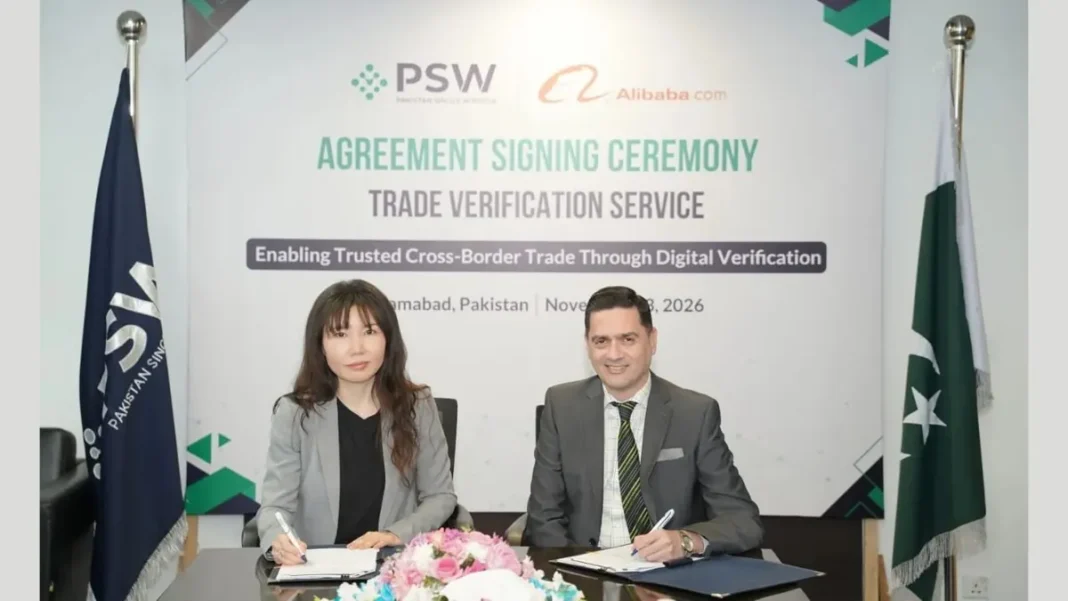
Pakistan Single Window, or PSW, and Alibaba.com have signed an agreement to introduce a digital Trade Data Confirmation Service, giving global buyers a new way to check that a Pakistani supplier’s export papers are genuine.
The service combines PSW’s digital trade infrastructure with Alibaba.com’s global business-to-business marketplace. It is meant to strengthen trust in cross-border trade and help Pakistani businesses take part in international e-commerce with greater confidence.
How the Pakistan Single Window trade checks will work
Under the arrangement, Alibaba.com and its global buyers will be able to ask PSW to confirm export declarations through application programming interface, or API, requests and responses. The check happens without the exchange or transfer of the underlying trade data itself.
That design matters. A buyer can confirm that a supplier’s export declaration is real without seeing the supplier’s private commercial documents. The service adds an extra layer of assurance to transactions on the platform, and it should make it harder for a fake supplier to pass itself off as a verified exporter.
Alibaba.com gives Pakistani businesses access to a global marketplace, connecting them with international buyers and offering digital tools to find new markets. The Trade Data Confirmation Service is expected to strengthen buyer confidence in Pakistani suppliers by allowing independent digital confirmation of their export declarations.
PSW chief executive Syed Aftab Haider said the partnership shows how Pakistan’s digital trade infrastructure can enable new services that strengthen trust in cross-border trade. “By offering trade data confirmation services through API integration, we are creating new opportunities for collaboration between private led digital platforms, and the government mandated single window systems to optimize use of the trade data for enhancing transparency and strengthening integrity and reliability of the entire supply chain for Pakistani businesses,” he said.
Summer Gao, head of Pakistan business at Alibaba.com, said the partnership would help Pakistani exporters do business more smoothly with global buyers and set a new benchmark for transparency and reliability in international e-commerce.
From a May handshake to a working service
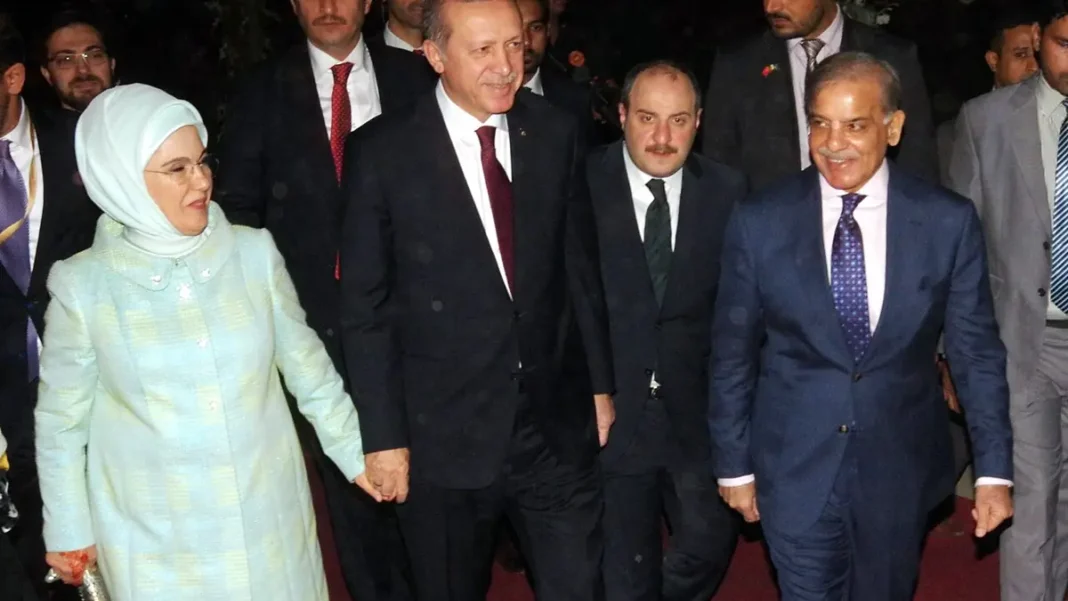
The agreement is the latest step in a relationship that has moved quickly this year. In May, Prime Minister Shehbaz Sharif visited Alibaba’s headquarters in Hangzhou, where agreements envisaged digital transformation and support for at least 2,000 Pakistani small and medium enterprises reaching international markets.
In late October, the prime minister directed ministries to complete the necessary measures by November to advance the Alibaba projects, tying the work to a plan to invest $1 billion in artificial intelligence by 2030. Officials told him that digital verification of trade documents through PSW had already become operational, and that a dedicated Pakistan Pavilion had been set up on Alibaba’s platform to promote Pakistani products. A two-year programme with the Small and Medium Enterprises Development Authority is also being launched to give small businesses training, e-commerce opportunities and access to international buyers.
PSW has been building the same kind of verified-trade stack on other fronts. In September, it operationalised an integration with ValidAP, a blockchain-based document verification platform run by Hong Kong Customs, making Pakistan the first country to join that platform. The Alibaba agreement extends the same idea to the world’s largest business-to-business marketplace: a buyer should be able to trust a Pakistani supplier’s papers without handling them.
For small exporters, that trust is the product. A small firm in Sialkot or Faisalabad can make a good product and still lose an order because a buyer abroad cannot tell it apart from a fraud. A digital confirmation from PSW, delivered through Alibaba.com, closes that gap at the moment the buyer decides. The service will now need to show it works in practice: how many suppliers sign up, how fast confirmations come back, and whether buyers treat a confirmed declaration as a reason to place an order. Small exporters already face a wide trade finance gap that makes winning orders harder. The Small and Medium Enterprises Development Authority is being revived to support small businesses. Islamabad is moving to become a fully cashless city by December 31. The government has also extended a subsidy on Raast QR payments for traders.
Frequently asked questions
What is the PSW and Alibaba.com Trade Data Confirmation Service?
It is a digital service that lets Alibaba.com and its global buyers confirm a Pakistani exporter’s export declarations through PSW, without the underlying trade data changing hands.
How does the verification work?
Verification takes place through API-based requests and responses between Alibaba.com and PSW, without the exchange or transfer of the underlying trade data.
Who signed the agreement?
Pakistan Single Window, led by chief executive Syed Aftab Haider, and Alibaba.com, represented by its head of Pakistan business, Summer Gao.
Why does this matter for Pakistani exporters?
It gives global buyers independent digital confirmation that a supplier’s export papers are genuine, which should build trust and help small exporters win orders.
What other Alibaba projects is Pakistan working on?
Agreements from the prime minister’s May visit to Hangzhou cover digital transformation, support for at least 2,000 small and medium enterprises, a Pakistan Pavilion on Alibaba, and a two-year training programme with SMEDA.