Thousands search for a “Pakistan travel ban” every month, usually after a headline about an advisory or a red list. The short version: no country currently bans travel to or from Pakistan outright. What exists is a patchwork of advisories, restricted zones, visa rules and airspace closures often misreported as a ban.
Quick answer: There is no Pakistan travel ban in 2026. No government prohibits travel to or from Pakistan. What exists: the US advises “Reconsider Travel” (Level 3), the UK advises against travel to parts of Pakistan (Balochistan, KP, border areas), Pakistan bars Indian aircraft from its airspace, and a US immigrant-visa pause affecting Pakistan was struck down in August 2026.
In this guide
What people mean by “travel ban”
Three different things get called a ban. First, travel advisories: governments warning their own citizens about visiting Pakistan. These are recommendations, not bans — the US State Department’s Level 3 “Reconsider Travel” advisory (updated 4 March 2026) and the UK Foreign Office’s regional warnings fall in this category. Second, red lists: the UK’s COVID-era hotel-quarantine list, which included Pakistan briefly in 2021 and was abolished entirely in October 2021. Third, entry restrictions on specific nationalities, such as Pakistan’s own airspace closure to Indian-registered aircraft in force since 24 April 2026.
None of these stops a British, American or Gulf passport holder from booking a flight to Lahore or Islamabad. Airlines operate normally, Pakistan’s airports are open, and tourist visas are being issued. When you read “ban” in a headline, check which of the three the article actually describes — nine times out of ten it is an advisory, not a ban. Our complete Pakistan travel ban guide breaks down every restriction by category.
Current advisories: US and UK
United States. The US State Department rates Pakistan Level 3, “Reconsider Travel”, and adds Level 4 “Do Not Travel” for Balochistan province, Khyber Pakhtunkhwa (including the former tribal districts) and the vicinity of the Line of Control, citing terrorism and kidnapping. US government staff face tight movement restrictions, and consular help for dual nationals is limited — a standard warning for countries with this rating.
United Kingdom. The Foreign, Commonwealth and Development Office (FCDO) advises against all travel to parts of Pakistan — KP, Balochistan, within 10 miles of the Afghanistan border — and against all but essential travel elsewhere. After the April 2026 Pahalgam attack and the escalation that followed, the FCDO also warns against travel within 10 kilometres of the India–Pakistan border, and the Wagah–Attari land crossing is closed. Travelling against FCDO advice can invalidate travel insurance, so check your policy wording. See how the US and UK advisories compare.
Pakistan’s own restrictions on visitors
Restricted zones. Pakistan requires a No Objection Certificate (NOC) for foreigners visiting certain sensitive areas, historically including parts of the former tribal districts and areas near the Afghan and LoC borders. Most tourist areas — Hunza, Skardu, Naran, Lahore, Islamabad — need no special permission, but always check the latest rules before heading to border regions.
Airspace. Since 24 April 2026 Pakistan has barred Indian-registered aircraft (and Indian-owned or leased planes) from its airspace, renewed monthly through official notices; India reciprocated on 30 April. Roughly 800 Indian flights a week now take longer detours. Flights from other countries cross Pakistani airspace normally, so this affects India-origin travel, not Pakistan-bound tourists. More on Pakistan’s travel restrictions in detail.
Visas and entry in 2026
E-visas. From 1 January 2026 Pakistan suspended its free “Visa Prior to Arrival” scheme that had covered 126 nationalities. Travellers from those countries now apply through NADRA’s Pakistan Online Visa System, with processing typically taking 7–10 working days. Apply early — do not book non-refundable travel before the visa lands.
Visa-free entry. Citizens of the Gulf states (Saudi Arabia, UAE, Bahrain, Oman, Qatar, Kuwait) plus Nepal and the Maldives still get visa-free entry for short tourist visits of up to 90 days. Everyone else should check the Pakistan travel guide for the current entry checklist, including the polio vaccination certificate the WHO requires for travellers departing Pakistan.
Is there a travel ban on Pakistan right now?
No. As of October 2026 no country bans travel to or from Pakistan. There are advisories (US Level 3, UK regional warnings), restricted zones inside Pakistan, and an airspace closure that applies only to Indian aircraft. None of these is a ban on travel to Pakistan.
Can Americans and Britons still visit Pakistan?
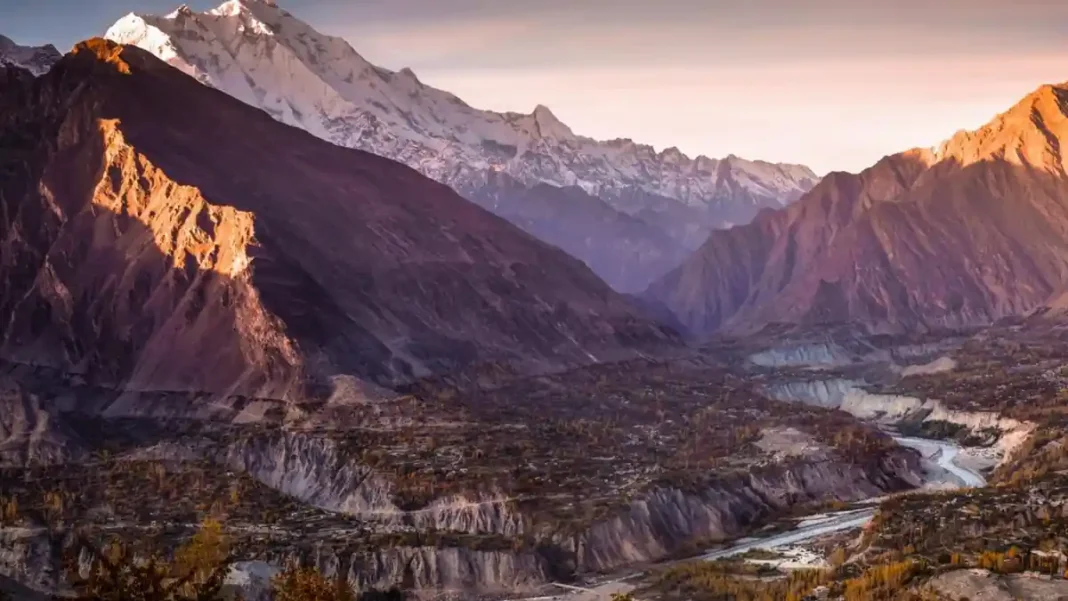
Yes. Both nationalities can apply for Pakistani visas and fly in normally. Their governments advise caution — the US says “reconsider travel”, the UK advises against visiting certain regions — but neither forbids it. Many travellers visit the northern areas each year; the practical risks there are road safety and altitude, not conflict.
Is Pakistan on the US travel ban list?
Pakistan was never placed on the US “red list” of countries facing a complete travel ban; it sat on the narrower “orange list” of restricted countries. Separately, a January 2026 pause on immigrant visas for 75 countries including Pakistan was ruled unlawful by a federal court on 21 August 2026 (the government may appeal). Non-immigrant visas for tourists and students were never affected.