Pakistan Climate Survey: 67pc Say Fight Is Lost
Two in three Pakistanis believe it is already too late to stop climate change, a Pakistan climate survey has found, with public faith in joint action far weaker at home than around the world.
The WIN Worldviews Survey 2026 found that 67 per cent of Pakistanis agreed it was too late to curtail climate change, against 42 per cent of people worldwide. In Pakistan, 27 per cent agreed fully and 40 per cent agreed somewhat, while 31 per cent disagreed.
Women were slightly more downbeat than men: 68 per cent of women held the view, against 64 per cent of men.
What the Pakistan climate survey found
The same survey found that 79 per cent of Pakistanis link the rise in natural disasters to global warming, close to the global figure of 78 per cent. The survey was run by Gallup and Gilani Pakistan, with a nationally representative sample of 1,000 adults in Pakistan and about 45,000 interviews across 45 countries.
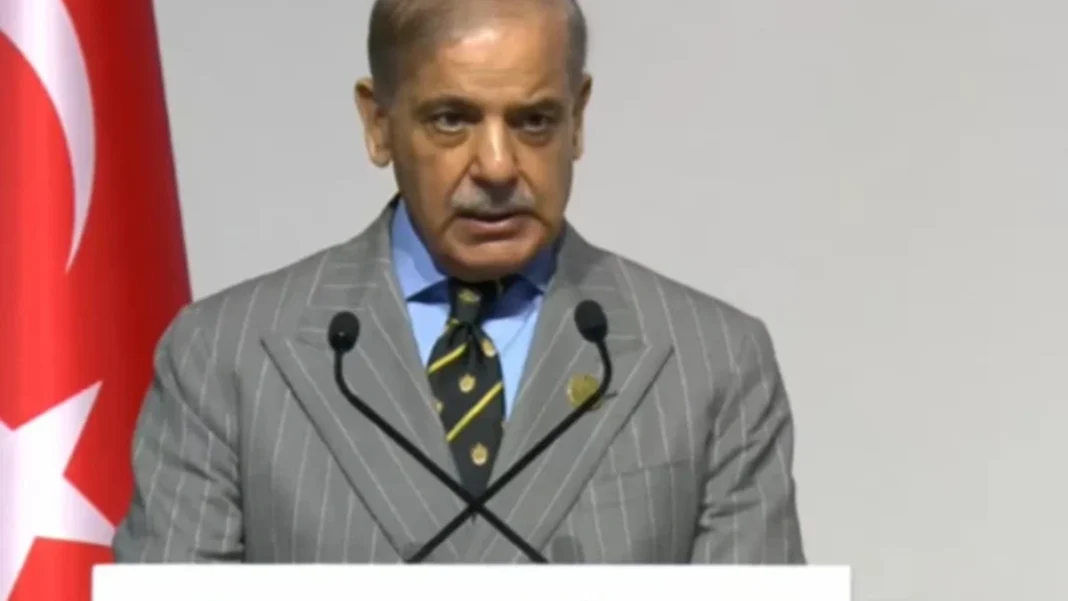
The findings land as Pakistan presses its case at the COP31 climate summit in Antalya, Turkiye, where Prime Minister Shehbaz Sharif has called for grant-based climate finance for vulnerable nations.
Why confidence is fading
Afia Malik, an economist and policy researcher formerly at the Pakistan Institute of Development Economics, said pessimism was growing not because people doubted the science, but because faith in joint action was weakening.
Donor governments were busy with their own energy security, inflation, public debt, geopolitical tensions and domestic politics, she said, leaving climate promises to compete with more urgent concerns. Countries such as Pakistan, which depend heavily on outside help to recover from disasters and adapt, face the sharpest risk.
Malik said Pakistan should not wait for outside support before acting at home. Better land use, infrastructure, water management, farm adaptation, local institutions and climate spending were all within the country’s own control. She also urged stronger action to cut methane emissions, noting Pakistan ranks among the leading methane emitters, and tighter rules for building in flood-prone areas.
COP31 and the finance question
Addressing the COP31 leaders’ summit on Thursday, Prime Minister Shehbaz Sharif said vulnerable countries needed timely help and finance that did not add to their debt.
“National effort cannot replace a fair and just global response when climate disaster strikes,” he said. “We call for grant-based finance, including public-private partnerships, alongside significant enhancement of resilience and adaptation funds, which amount to survival funds, especially for struggling economies.”
State Bank Governor Jameel Ahmad has made a similar point, saying climate finance must do more than fund green projects. It must help communities see risks coming, build resilience and adapt. Small farmers, micro and small firms and low-income households often lack insurance, savings and access to formal finance to recover from losses.
Malik warned that the real danger went beyond a shortfall in funds. If trust in joint action breaks down, disasters could come more often, losses could grow, and countries like Pakistan could stay dependent on emergency aid.
Shehbaz Sharif sought grant-based climate finance at COP31. Air pollution costs Pakistan 6.5 per cent of GDP. Karachi opened its first sponge park. Punjab banned garbage burning as smog closed schools. A heat deaths tracker counted the toll of extreme heat.
Frequently asked questions
What did the survey find?
The WIN Worldviews Survey 2026 found 67 per cent of Pakistanis believe it is already too late to curtail climate change, against 42 per cent globally. In Pakistan, 27 per cent agreed fully and 40 per cent somewhat, while 31 per cent disagreed.
Who ran the survey?
The WIN Worldviews Survey 2026 was run by Gallup and Gilani Pakistan. In Pakistan it covered a nationally representative sample of 1,000 adults, as part of about 45,000 interviews across 45 countries.
Do Pakistanis link disasters to global warming?
Yes. The same survey found 79 per cent of Pakistanis link the rise in natural disasters to global warming, close to the global figure of 78 per cent.
What did Pakistan ask for at COP31?
Prime Minister Shehbaz Sharif called for grant-based climate finance, public-private partnerships and much larger resilience and adaptation funds, which he called survival funds for struggling economies.
What can Pakistan do at home?
Economist Afia Malik said Pakistan should press ahead with domestic reforms, including better land use, water management and farm adaptation, cuts to methane emissions and tighter rules for flood-prone areas, rather than wait for outside support.