Shehbaz Seeks $138bn Climate Finance at COP31
Prime Minister Shehbaz Sharif has put COP31 climate finance at the centre of Pakistan’s case, telling the summit that the country needs about $138 billion by 2035 to shift its power sector to low-carbon generation, and calling for grant-based finance and affordable technology for developing countries.
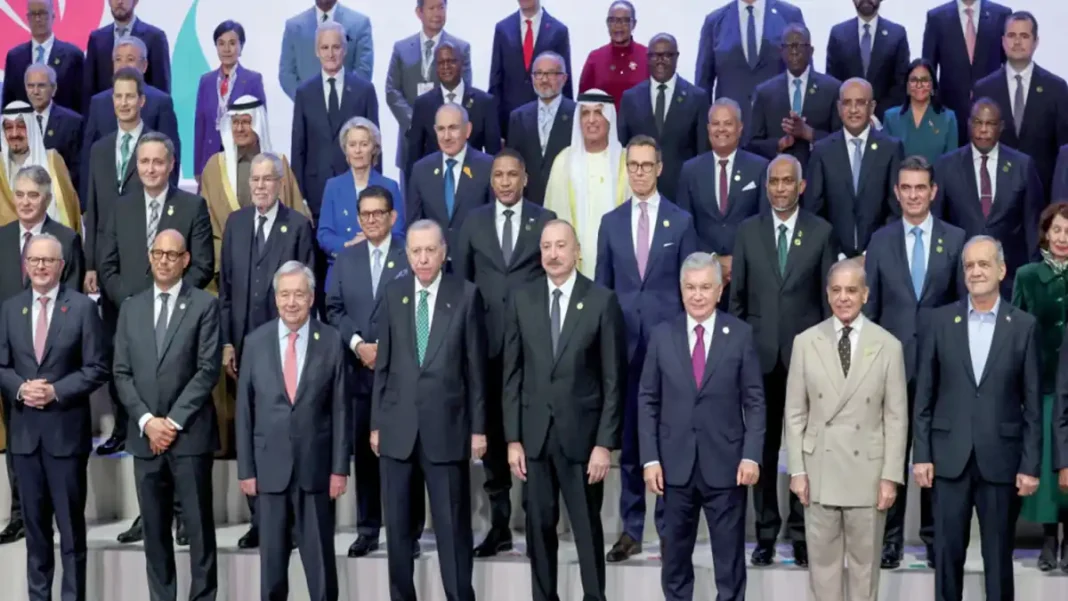
Addressing a session titled “Clean Energy Transition by 2035: Powering the Future” on the sidelines of the 31st United Nations Climate Change Conference in Antalya, Turkiye, the prime minister made COP31 climate finance the centrepiece of Pakistan’s case.
He set a target of 35 per cent clean energy by 2035, and said the goal would only be reached if finance flowed at the speed of ambition. “35 by 35 will be achieved only if finance flows at the speed of ambition through concessional capital and the transfer of affordable technology,” he said.
Why COP31 climate finance matters for Pakistan
Pakistan needs the money for more than new power plants. The prime minister said the country required about $138 billion by 2035 for low-carbon power generation, plus another $50 billion to replace coal-based power with solar energy.
He said expanding power grids, building reliable energy storage and making new technologies affordable all needed heavy investment, a burden that heavily indebted economies could not shoulder alone. He urged international partners to ensure concessional financing and the transfer of affordable technologies.
“Let us resolve to power our economies without impoverishing our people and light up our homes without darkening our planet,” he said.
The plea carries weight because Pakistan is among the countries hit hardest by climate change while contributing little to global emissions. In the 2022 floods, a third of the country went under water, more than 1,700 people were killed and damage ran into tens of billions of dollars. For Pakistan, climate finance is not an abstract negotiation: it is the money needed to rebuild and to stop the next disaster from costing as much.
Pakistan’s clean energy targets
He said clean energy now made up nearly 55 per cent of Pakistan’s energy mix. Before travelling to Antalya, the prime minister inaugurated a section of Pakistan’s seventh nuclear power plant, a project that will add 1,200 megawatts of clean electricity to the national grid.
On transport, he said the recently launched auto policy aimed to make 30 per cent of new vehicles electric by 2030, supported by incentives including lower tariffs. All future government buses and motorcycles would be electric, he added, noting that more than one in every 10 motorcycles sold in Pakistan this year was electric.
The prime minister said the transition towards clean energy was gaining momentum, but stressed that sustained financing was essential to reach the targets. He urged a development model that balanced economic growth with environmental protection.
Meetings on the sidelines
The prime minister also used the summit for a round of diplomacy. He met Iranian President Masoud Pezeshkian, and the two leaders reaffirmed close ties and agreed to keep working for regional peace. The prime minister said Pakistan would continue to play a sincere and constructive role in support of dialogue and restraint, building on the understandings reached under the Islamabad Memorandum of Understanding of June 2026.
He met Kuwait’s Prime Minister Ahmad Al-Abdullah Al-Ahmad Al-Sabah, and the two sides agreed to expand trade, investment and business cooperation. They also welcomed the recent ratification of a defence cooperation agreement between the two countries.
Other meetings included Saudi Energy Minister Prince Abdulaziz bin Salman, Bangladesh Prime Minister Tarique Rahman, OIC Secretary General Hissein Brahim Taha and Palestinian Prime Minister Mohammad Mustafa. The prime minister reaffirmed Pakistan’s solidarity with the Palestinian people.
He also met Turkiye’s First Lady Emine Erdogan, Syrian President Ahmed al-Sharaa, Saudi Minister of State for Foreign Affairs Adel bin Ahmed Al-Jubeir and World Bank President Ajay Banga.
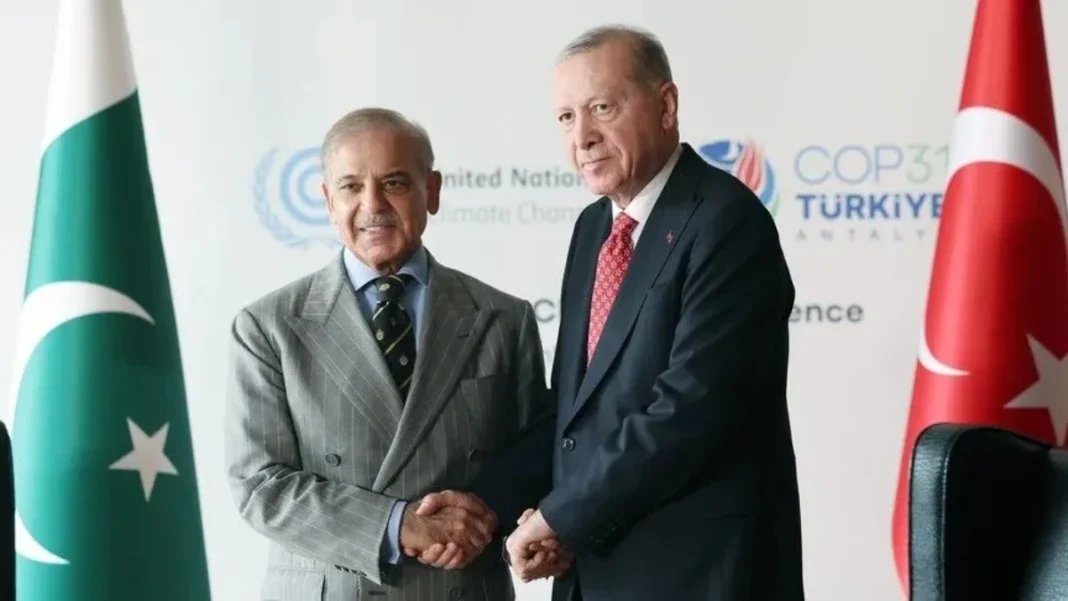
His meeting with Turkish President Recep Tayyip Erdogan focused on the Makkah defence pact and joint efforts to end the conflict in Iran.
Why it matters
The $138 billion figure puts a price on Pakistan’s energy transition, and the prime minister’s message was that the country cannot pay it alone. Developing countries have long argued that the nations which industrialised on fossil fuels should help pay for the shift away from them, and Pakistan’s case is sharpened by its exposure to floods and heat.
At home, the targets he set will be tested against the cost of electricity. Power tariffs remain a live issue, with the regulator notifying a revised industrial rate of Rs25.30 per unit this week, and the privatisation of power distribution companies is not expected to cut bills in the short term.
Frequently asked questions
How much climate finance is Pakistan seeking?
Prime Minister Shehbaz Sharif told COP31 that Pakistan needs about $138 billion by 2035 for low-carbon power generation, plus another $50 billion to replace coal-based power with solar energy.
What is Pakistan’s clean energy target?
The prime minister set a target of 35 per cent clean energy by 2035, under the banner “35 by 35”. Clean energy already accounts for nearly 55 per cent of Pakistan’s energy mix.
What did the prime minister announce on electric vehicles?
He said the new auto policy aimed to make 30 per cent of new vehicles electric by 2030, and that all future government buses and motorcycles would be electric. More than one in 10 motorcycles sold in Pakistan this year was electric.